



CLYDE, N.C. (828newsNOW) — The North Carolina Department of Environmental Quality is providing $1.1 million for three flood risk reduction projects in Dunn, Clyde and Smithfield through its Flood Resiliency Blueprint in partnership with the North Carolina Land and Water Fund.
The projects will restore more than 1.29 miles of stream, 50 acres of floodplain and retrofit a pond to reduce flooding.
“North Carolina is experiencing stronger and more frequent storms,” DEQ Secretary Reid Wilson said in a statement. “DEQ’s Flood Resiliency Blueprint invests in local projects that will help reduce flood risk and make our communities less vulnerable to damaging flooding from events like Hurricane Helene and Tropical Storm Chantal.”
“The North Carolina Land and Water Fund is once again excited to join with DEQ to further our common goal of making the state more resilient to future flooding events,” said Will Summer, executive director of the NCLWF. “This partnership allows us to meet more of those community needs and get DEQ funds on the ground faster — it’s a win-win.”
“The North Carolina Land and Water Fund is once again excited to join with DEQ to further our common goal of making the state more resilient to future flooding events,” said Will Summer, executive director of the NCLWF. “The NCLWF always has more excellent projects than we can fund, and this partnership allows us to meet more of those community needs and get DEQ funds on the ground faster – it’s a win-win.”
The funding supports the NCLWF’s 2025 grant cycle. As directed by the North Carolina General Assembly, the Blueprint continues to allocate $76 million to support flood mitigation in the Cape Fear, French Broad, Lumber, Neuse, Tar-Pamlico and White Oak river basins.
Projects funded include:
Stony Run Corridor Restoration Project, Dunn: The Carolina Wetlands Association will restore 0.81 miles of stream and 45 acres of floodplain wetlands along Stony Run in Harnett County. The project will stabilize eroding banks, remove invasive species and reestablish native vegetation to improve water quality, reduce flooding and enhance wildlife habitat. The restored corridor will be permanently protected under a conservation easement. Award: $270,500.
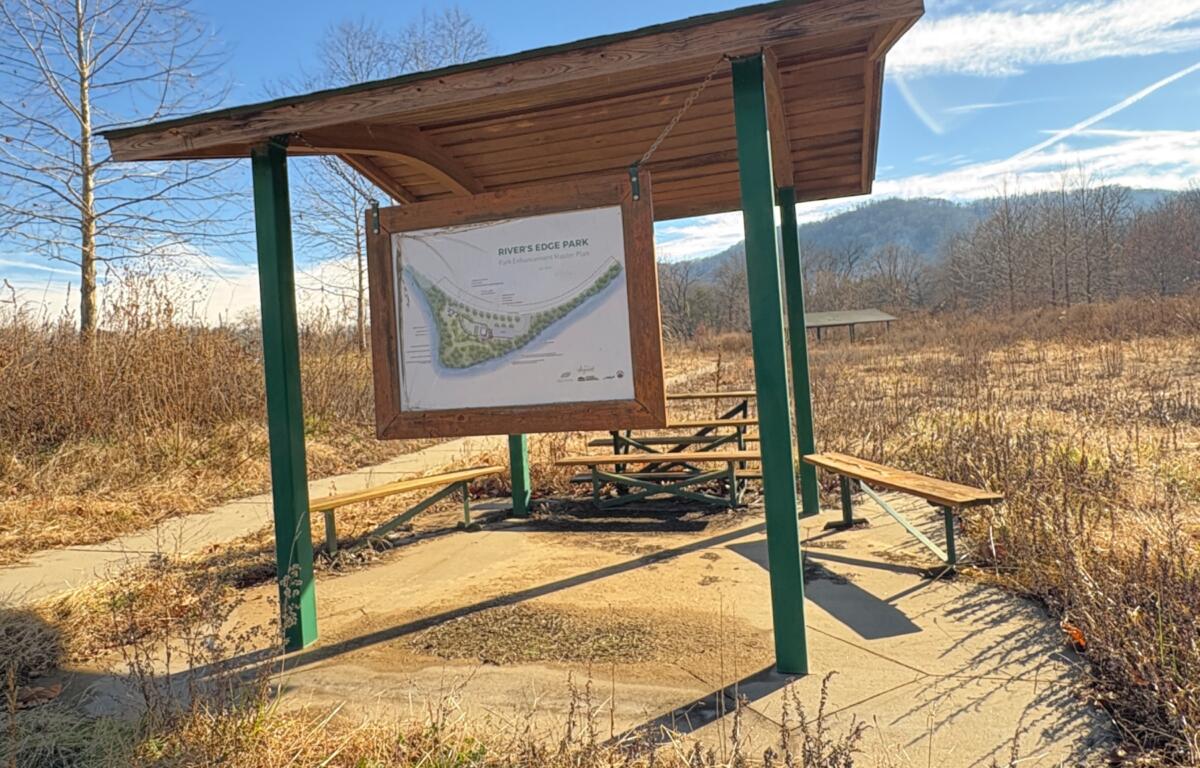
Pigeon River at Clyde Flood Resiliency Project: The Haywood Waterways Association will restore nearly 0.48 mile of stream and 5.3 acres along the Pigeon River to reconnect it to its floodplain, increase flood storage and reduce erosion. The project complements nearby efforts such as Rivers Edge Park, creating a 10-acre interconnected flood storage system that also provides recreational access. Award: $210,500.
College Pond Retrofit Project, Smithfield: The town will retrofit a stormwater pond to reduce flooding in the Spring Branch Watershed and Neuse River Basin. Improvements include real-time water controls and floating wetlands to remove pollutants, while offering educational opportunities for local schools and universities. Award: $658,351.
About the Flood Resiliency Blueprint
Created in 2021, the North Carolina Flood Resiliency Blueprint guides the state’s flood resiliency planning. It uses science, stakeholder input and a decision support tool to help local governments and partners plan and prioritize projects. The Blueprint funds a wide range of actions including floodplain restoration, stream debris removal, stormwater management and infrastructure elevation.
To date, DEQ has funded 73 Blueprint projects statewide totaling more than $34 million. this week.