ASHEVILLE, N.C. (828newsNOW) — Following Danny Boyle and Alex Garland’s return to the “28 Days Later” franchise last summer, director Nia DaCosta brings her own gruesome, meditative take to the zombie series with “28 Years Later: The Bone Temple.” Read our review below.
“28 YEARS LATER: THE BONE TEMPLE” (2026, 109 min., directed by Nia DaCosta)
With its gobs of gore, devil-worshipping villain and “The Number of the Beast” needle drop, it would be easy to compare “28 Years Later: The Bone Temple” to a wicked heavy metal solo. Director Nia DaCosta was certainly jamming out on the camera. Yet looking at the entire cinematic concert, the analogy asks for more nuance than that. “The Bone Temple” has heavy metal flourishes, but it also features several zen zombie hangouts and considered ruminations on violence and purpose.
Maybe a better way to describe the film would be to take the perspective of a music festival attendee imbibing in magic mushrooms between Iron Maiden sets. DaCosta and company pivot from loud, epic moviemaking in one moment to quiet, funny profundity in the next. The result had me worshipping at the altar of “The Bone Temple.”
Fiennes finds the heart of the zombie
While Danny Boyle’s “28 Years Later” centered young Alfie Williams as the protagonist and relegated Ralph Fiennes to a supporting part, “The Bone Temple” swaps them. In DaCosta’s hands, Williams’ character, Spike, remains the audience surrogate, but takes a passive role in the story. Instead, it is Fiennes at the heart of this installment.
What a fine thing that is.
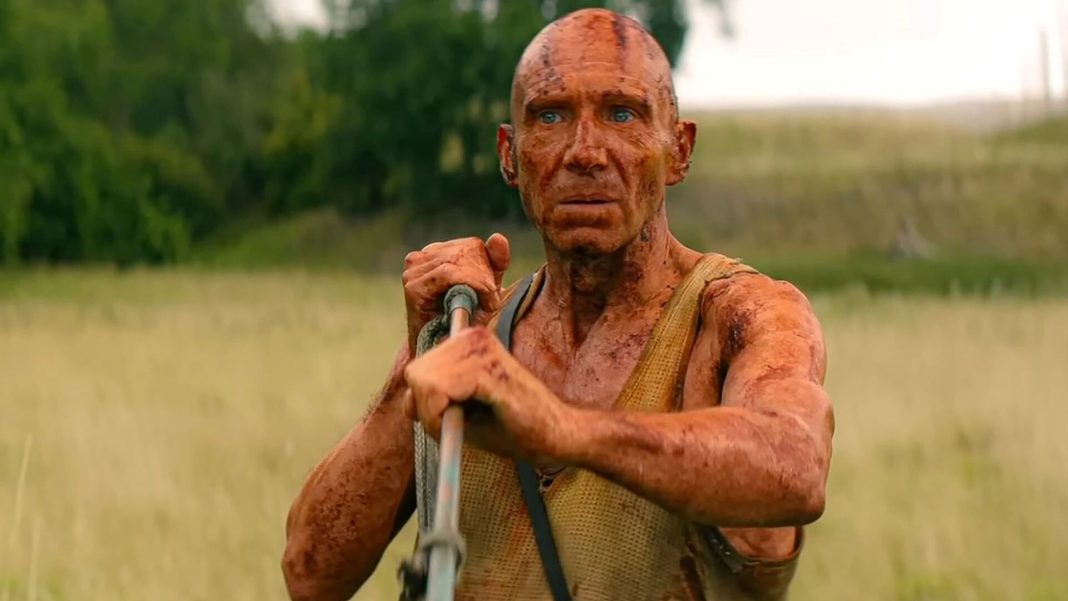
Fiennes plays Dr. Ian Kelson, caretaker of the titular Temple. In the first film, we were introduced to Kelson as a death doula for the zombified, conducting his ossuary like a laboratory for the disease. The “28…Later” series has toyed with eradicating the zombie-making Rage Virus in other installments, but Kelson has been the first of its characters with a desire to explore it, a distinction which makes all the difference.
In “28 Years Later,” Spike learned that Kelson’s research has revealed iodine as a wearable preventative for the Rage Virus, explaining his yellowed and nigh-on naked appearance, and witnessed the beginnings of the doctor’s relationship with Samson, a hulking “Alpha” zombie he found a way to subdue. Kelson’s empathetic conception of zombification as a treatable disease and the monsters as patients is precisely the sort of thoughtful idea that sets the “28 Years Later” films above their zombie contemporaries, including the original “28 Days Later.”
In the “28 Years” sequel, we dive into those discoveries from Kelson’s point-of-view.
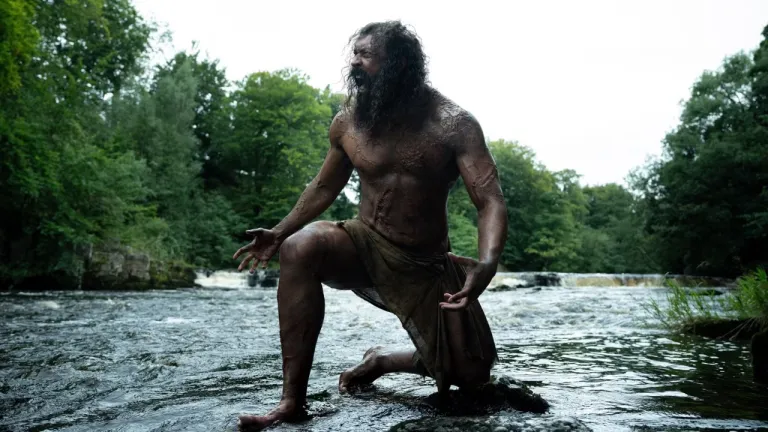
Kelson shares many of his best scenes with Samson, roared and grunted terrifically by Chi Lewis-Parry in a mostly thankless part. Alex Garland’s screenplay presents the developing relationship between the two like a romantic comedy, complete with a meet-cute, a fun montage and a last minute twist. The magic trick of these films is such that witnessing Ralph Fiennes hold hands and dance with a naked zombie as they frolic through a field does not take a single thing away from the horrific stuff going on in the film’s darker half. As Kelson, Fiennes presides above it all with gravitas, warmth and intelligence. It’s a fantastic performance.
But oh, that other half. I can talk all I want about how highfalutin and intellectual “The Bone Temple” is, but it would not change the fact that Nia DaCosta directed an absolutely disgusting horror movie, led by the heavy metal frontman of the film, Jack O’Connell.
The cult of Jack O’Connell
O’Connell is on a hot streak of incredible villain performances. Just last year, O’Connell starred as the vampire baddie in “Sinners,” now the most-nominated film in Oscars history. In that film, O’Connell is charismatic and unassuming, wearing suspenders with vampiric geniality. In “The Bone Temple,” a tracksuited O’Connell gives a very different performance, but with superficial similarities. O’Connell’s character, “Sir Lord” Jimmy Crystal, is a weaselly, vicious cult leader, styled after serial rapist Jimmy Savile and an deceitful devotee of “Old Nick.” However, like the vampire Remmick, Crystal accumulates acolytes via violence. The difference is that the Fingers, as Crystal refers to his lackeys, are joyful, willing participants in his crimes.
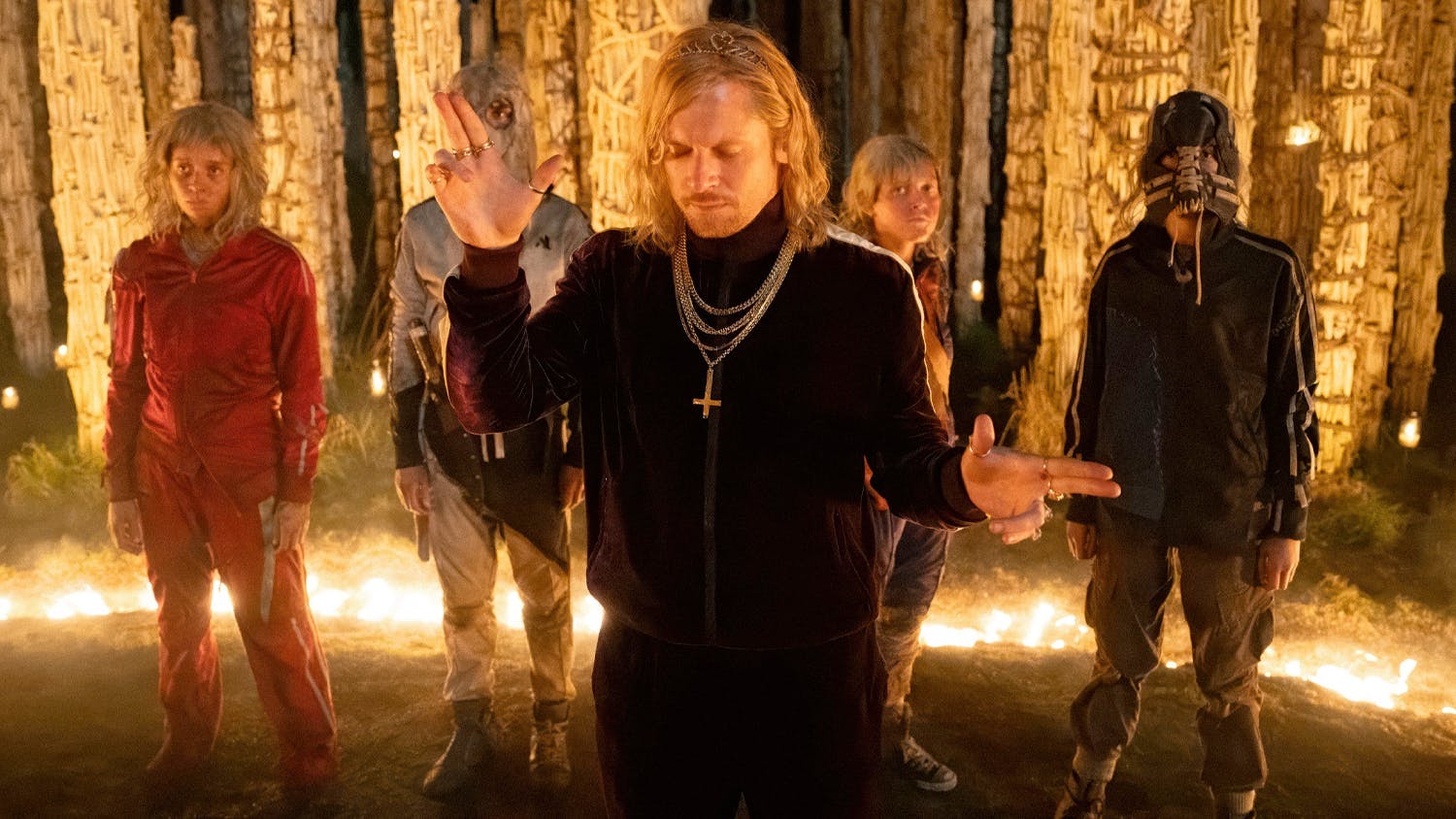
Under Boyle’s direction, “28 Years Later” was an exercise in form-breaking. His film was shot with a small army of iPhones, edited with unconventional instant-replay-like effects and intercut with montage clips of Laurence Olivier’s “Henry V” and wartime newsreel footage. In DaCosta’s hands, “The Bone Temple” is much steadier, with a far more conventional style, camera-wise. However, that works in favor of “The Bone Temple.” DaCosta’s movie is reckoning with zombies, sure, but far scarier are Jimmy Crystal and his Fingers.
In horror films, there is gore, and then there is gore. “The Bone Temple” is the latter. The Fingers slice, dice and chastise zombies and people alike. In moving away from the frenetic cutting style of the first film, DaCosta is able to keep the camera centered on the despicable actions of Crystal and his gang, resulting in a viewing experience as inescapable for the audience as for the Fingers’ victims. It’s all very hard to stomach, but if you can endure the murderous music, incredibly effective.
In addition to my packed movie calendar, I have a few concerts stenciled in for 2026. Surprisingly, “28 Years Later: The Bone Temple” will be the show to beat.
Rating: 4.5/5
-
Korean zombies, endless roads and Anthony Bourdain: New movies to see in September 2026

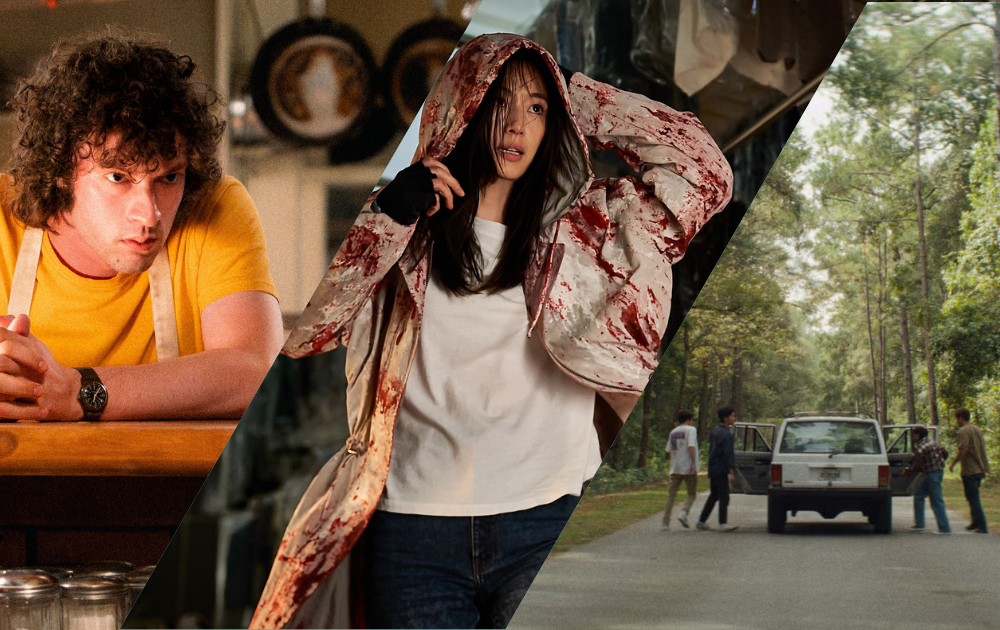
“Spider-Man: Brand New Day” and “The Odyssey” might have defined the summer box office, but there are plenty of hidden movie gems to discover as we head into the fall. Check out our reviews of “Tony,” “Colony,” “Buddy” and “It Ends.”
-
5 best films at the 2026 Asheville Film Festival

The 2nd annual Asheville Film Festival ran from Aug. 21-23, 2026, at the Masonic Temple in downtown Asheville. Read a review of our favorite festival films below.
-
‘Spider-Man,’ samurai and ‘I Want Your Sex’: New movies to see in August 2026
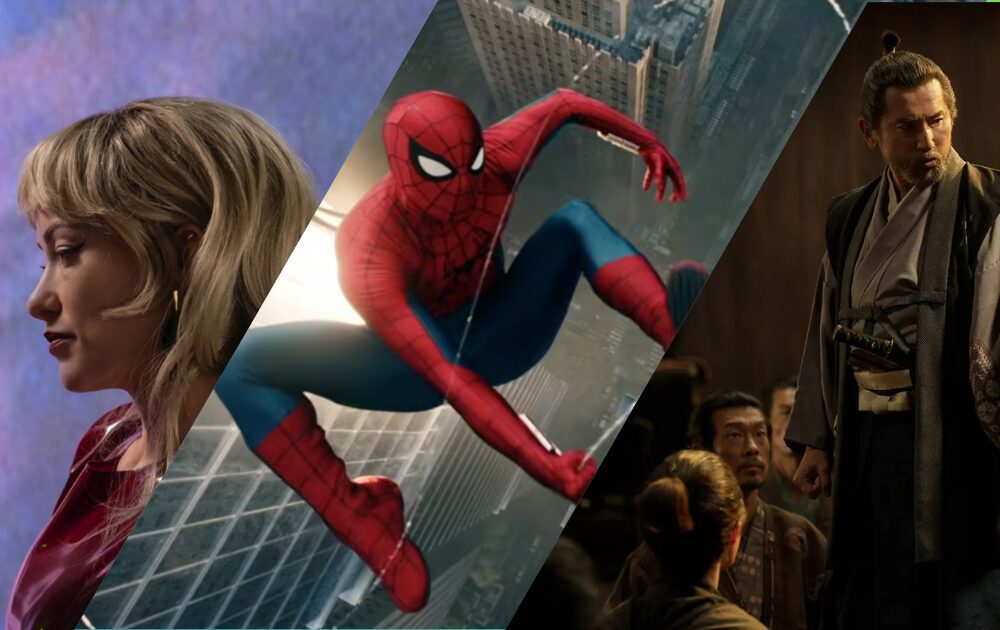
Want to know if “Spider-Man: Brand New Day” is worth your time? Looking for a cool indie to watch? Read on for our reviews of new movies to see this August.
-
‘The Odyssey’ review: Christopher Nolan’s epic is mythic, massive moviemaking

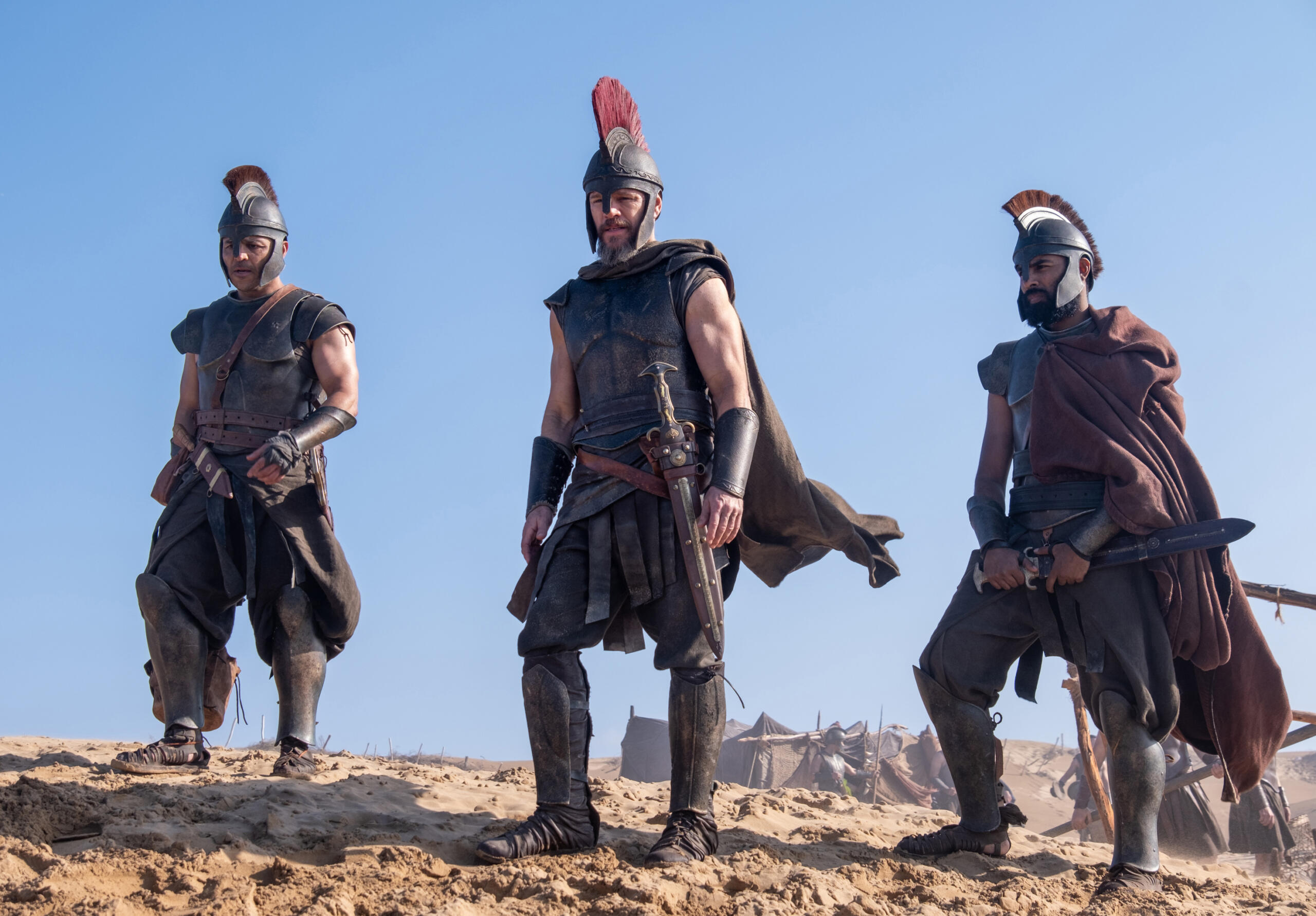
“The Odyssey” has arrived. “Oppenheimer” director Christopher Nolan delivers an unbelievably immersive and impressive interpretation of the epic story. Read our review for more.
-
Best movies of 2026 so far: Our top 10 and honorable mentions

The year is already halfway over, which means there has never been a better time to check out the 2026 movies you may have missed. Read our list of the 10 best flicks of 2026… so far.
-
‘Disclosure Day’ is Steven Spielberg doing what he does best
That is, sentimental sci-fi spectacle. The director’s latest movie is a fantastic, heartfelt alien adventure. Read our review for more.
-
‘Backrooms,’ He-Man and ‘Scary Movie’: New movies to see or skip in June 2026
Looking for a new movie to see as summer vacation starts? Check out our reviews of three major releases: the indie horror phenomenon “Backrooms,” the silly 80s throwback “Masters of the Universe” and the sixth installment of the long-running parody series “Scary Movie.”
-
‘The Mandalorian and Grogu’ is cute, copy-and-paste ‘Star Wars’

The first new “Star Wars” movie in seven years is here! While far, far away from the galaxy’s best “Star Wars” flick, “The Mandalorian and Grogu” offers up cuteness in overdrive.
-
From ‘Michael’ to ‘Mother Mary’: New movies to see or skip in May 2026
A Michael Jackson biopic, two Anne Hathaway vehicles and an Australian serial killer thriller are our movies to see, stream or skip this May. Find out which is which in our reviews.
-
New movies to see, stream or skip in April 2026

Looking for a movie to see in Asheville this April? Learn what to see, stream or skip with our reviews of a cult horror reboot, a fresh spin on “Hamlet,” a documentary of epic length and a niche new vampire flick.