


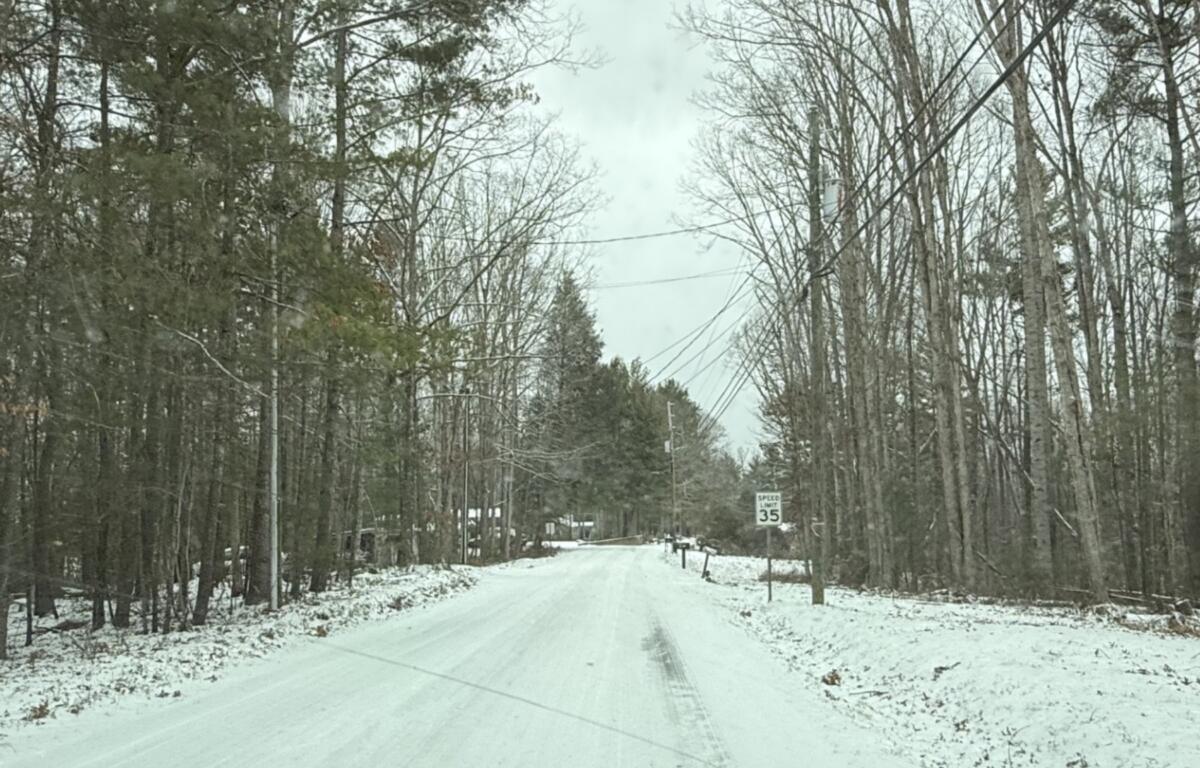

ASHEVILLE, N.C. (828newsNOW) — A winter storm is expected to hit the Asheville area this weekend, and officials are urging residents to take precautions to stay safe outdoors, on the roads and inside their homes.
Outside safety
If you must be outdoors, try to stay dry and cover all exposed skin. When shelter is unavailable, experts recommend building a windbreak, lean-to or snow cave. A fire can provide warmth and help rescuers locate you; place rocks around it to retain and reflect heat.
Melt snow before drinking to avoid lowering your body temperature. Keep blood circulating by periodically moving your arms, legs, fingers and toes. Avoid overexertion, such as shoveling heavy snow or walking in deep drifts, which can strain the heart and increase the risk of hypothermia.
Driving precautions
Traveling during a winter storm can be dangerous. Drivers should slow down, even on seemingly wet roads, and clear all ice and snow from vehicles before setting out. Let someone know your route and expected arrival time and carry a fully charged phone and emergency kit.
If your car begins to skid, remain calm, ease off the gas and steer in the direction you want the vehicle to go. For cars with anti-lock brakes, maintain steady pressure on the brake pedal. Poor visibility may require pulling over.
If stranded, stay in the vehicle. Run the engine for heat about 10 minutes each hour, crack a window for fresh air and clear snow from the exhaust pipe to avoid carbon monoxide poisoning. Make your car visible to rescuers by turning on dome lights at night and tying a bright cloth to the antenna or door. After the snow stops, raising the hood signals you need help.
Indoor safety
Stay inside whenever possible. Use fireplaces, wood stoves and space heaters safely, and ensure gas furnaces are properly ventilated and not blocked by snow.
If heat fails, close off unused rooms, seal gaps under doors and keep blinds or curtains drawn. Eat regularly and drink plenty of water to maintain energy and prevent dehydration. Dress in layers of loose-fitting, warm clothing, removing layers if you begin to overheat to avoid chills.
Officials emphasize that careful preparation and attention to safety can prevent accidents and life-threatening conditions during winter storms.