


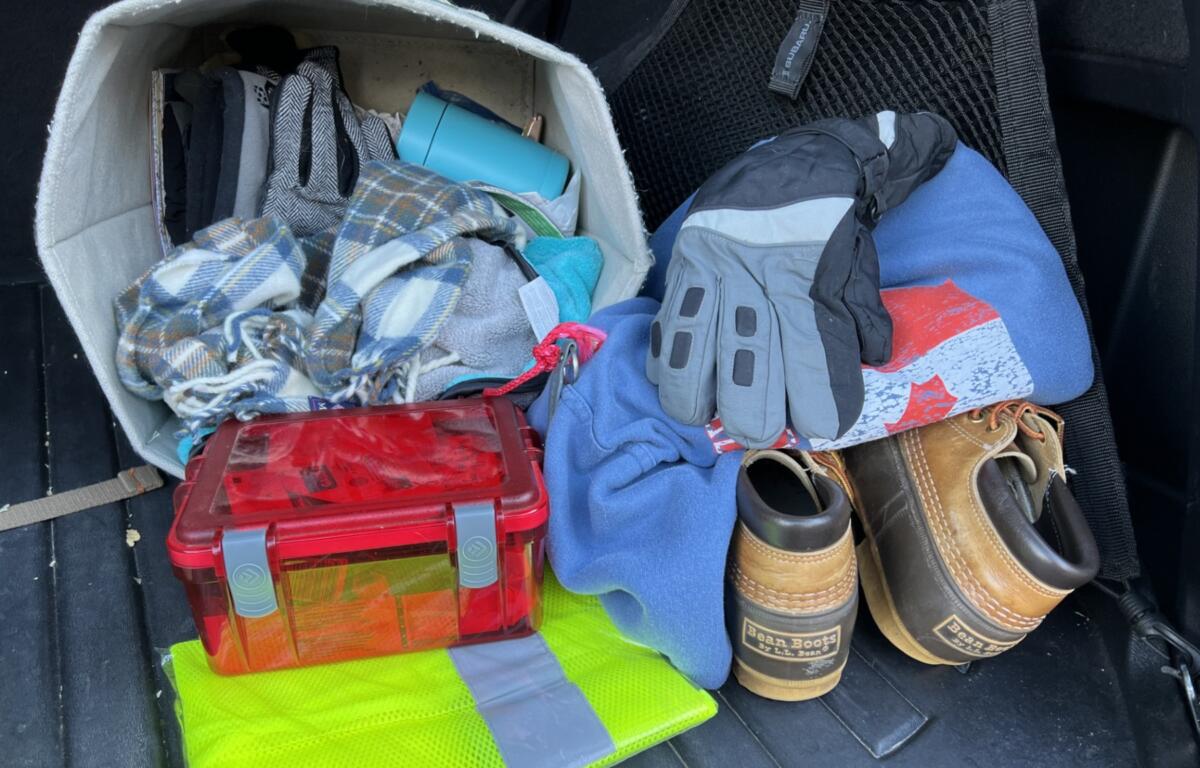

ASHEVILLE, N.C. (828newsNOW) — Being ready with the right supplies can save lives and make recovery easier when a storm hits. Emergency managers stress preparing early and thoroughly because disasters can strike unexpectedly and cause widespread disruption.
Here’s a checklist of items to keep on hand for a weather emergency, whether it’s a flood, snowstorm, hurricane or severe thunderstorm:
- Water: At least 1 gallon per person per day for three days (drinking and sanitation).
- Non-perishable food: Ready-to-eat items such as canned goods, peanut butter, granola bars, and dried fruit.
- Manual can opener: Needed if electricity is out.
- Battery-powered or hand-crank weather radio: Preferably a NOAA Weather Radio with tone alert.
- Flashlights: LED recommended for longer battery life.
- Extra batteries: For all devices.
- First-aid kit: Bandages, antiseptic, pain relievers, and personal medications (seven-day supply if possible).
- Whistle: To signal for help.
- Multi-tool or basic toolkit: Screwdriver, pliers, knife.
- Portable phone charger/power bank: Solar or battery-powered.
- Rechargeable light bulbs: Many come with USB cables and can be charged with a power bank, solar charger, or car charger.
- Warm layers: Hats, gloves, thermal socks for winter conditions.
- Rain gear: Poncho or waterproof jacket.
- Blankets or sleeping bags: Mylar emergency blankets save space.
- Sturdy shoes: For walking through debris or water.
- Moist towelettes or wet wipes
- Trash bags and plastic ties
- Toilet paper
- Hand sanitizer
- Copies of IDs, insurance papers, medical information: Keep in a waterproof pouch.
- Emergency contact list: In case phones fail.
- Cash: Small bills; ATMs may be unavailable.
- Dust masks: To filter contaminated air.
- Duct tape and plastic sheeting: For temporary shelter or sealing windows/doors.
- Local maps: Paper copies in case GPS is unavailable.
- Pet supplies: Food, carrier, leash, water, medications.
Being prepared with these essentials can make a significant difference when disaster strikes, helping you stay safe and recover more quickly.