



ASHEVILLE, N.C. (828newsNOW) — An extreme cold warning remained in effect Tuesday for higher elevations in Western North Carolina, while a cold weather advisory covered much of the rest of the region through noon, according to the National Weather Service.
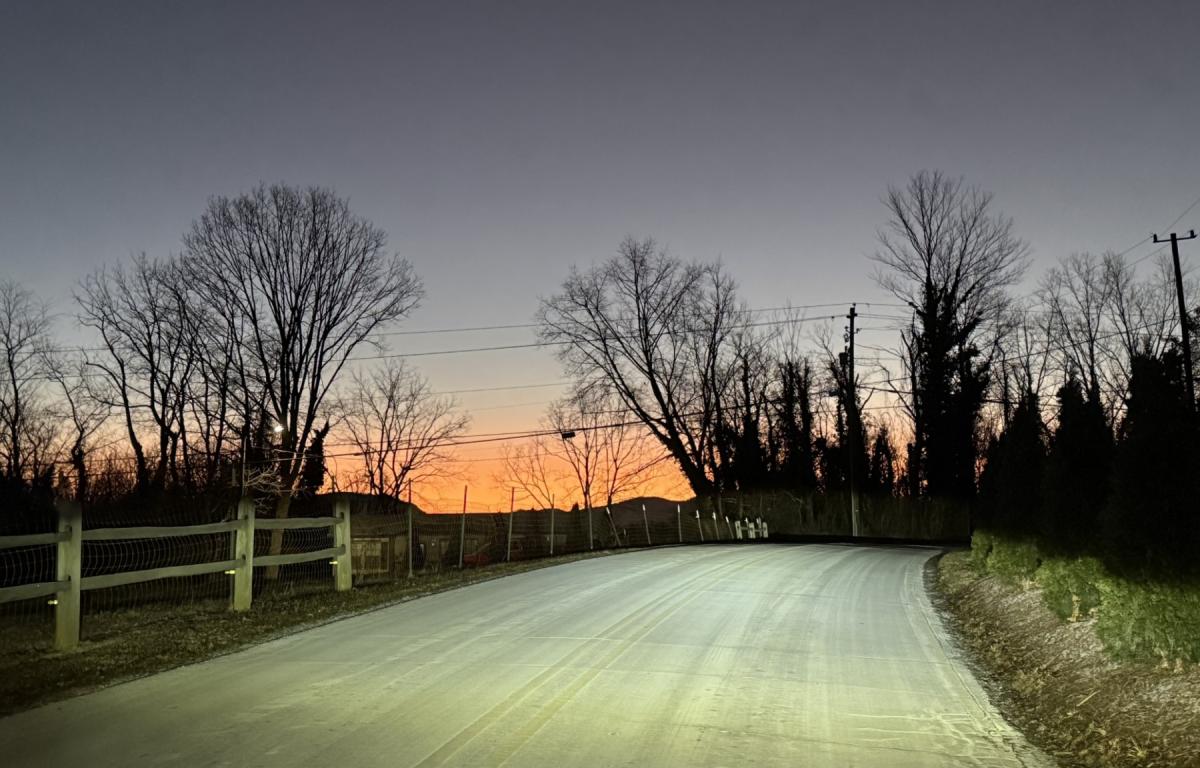
Forecasters warned that black ice was widespread early Tuesday, creating hazardous travel conditions across northeast Georgia and Western North Carolina. Officials urged drivers to use extreme caution, noting that roads may appear clear despite icy patches.
Unseasonably cold weather is expected to persist through the week, with another arctic blast possible this weekend. Temperatures are forecast to remain well below normal, and reinforcing cold fronts could bring dangerously low wind chills Wednesday night and Thursday night. Meteorologists said a strong arctic front later this weekend could deliver the coldest temperatures of the season.
The prolonged cold raises concerns about hypothermia, particularly if power outages from Winter Storm Fern continue or recur. Wind chills in higher elevations could increase the risk of frostbite, the weather service said.
There is also a growing chance of snow this weekend as low pressure may develop off the Carolina coast. If snow falls, officials warned that frigid temperatures could worsen travel impacts.
Local agencies echoed the warnings. The North Carolina Department of Transportation urged motorists to “see water, think ice,” advising drivers to check road conditions at DriveNC.gov before traveling. Broad River Fire & Rescue reported solid ice on Crooked Creek Road and said many state, private and gravel roads remained extremely icy with dangerous temperatures.
The West Buncombe Fire Department cautioned residents about “weather fatigue,” encouraging people to rely on a single trusted weather source and noting that any potential snow forecast for the weekend remains uncertain.
In Asheville, Tuesday’s forecast calls for sunny skies with a high near 40 degrees and wind chills as low as minus 1. Overnight lows are expected to drop into the teens, with similar conditions continuing through the end of the workweek.