


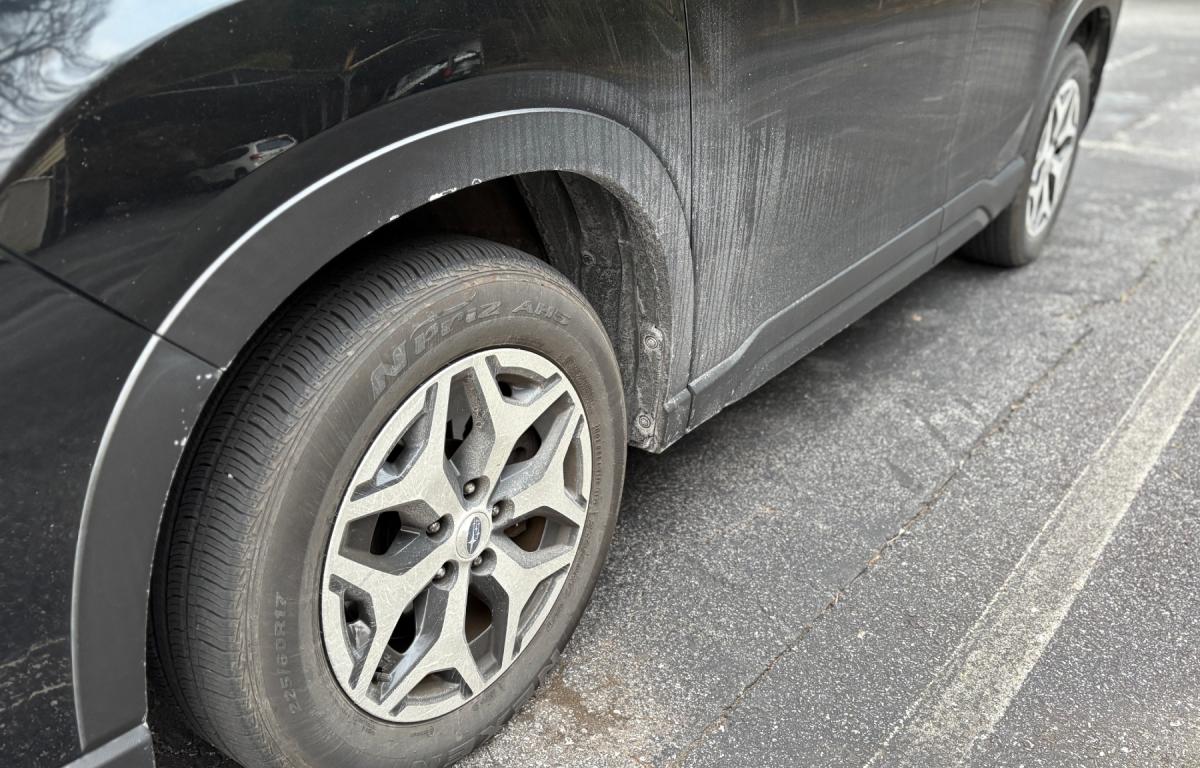

ASHEVILLE, N.C. (828newsNOW) — A drive around Asheville shows the toll recent storms have taken — vehicles coated in salt and sand, with more winter weather ahead. Here are a few tips to help protect your vehicle.
- Wash off salt and sand quickly: Road salt and sand help with traction but can corrode metal and damage paint. A rinse at a car wash — especially the undercarriage — helps prevent rust. Even a basic wash between storms makes a difference.
- Check your battery: Cold weather weakens batteries. If your car is slow to start, have the battery tested. Make sure terminals are clean and connections tight.
- Protect your windshield: Top off with winter windshield washer fluid (won’t freeze), replace worn wiper blades.
- Mind your tires: Cold air lowers tire pressure. Check PSI regularly and keep it at recommended levels. Good tread is critical for wet, snowy or icy roads.
- Keep fluids topped off: Antifreeze, oil and brake fluid should be at proper levels. Winter strains engines more than warmer weather.
- Park smart: If possible, park in a garage or under cover. Avoid parking under trees that could drop limbs under snow or ice. Fold in mirrors during ice storms.
- Don’t let snow pile up: Brush snow off promptly. Heavy snow can freeze into ice and add weight or damage components.
- Keep an emergency kit: Include a blanket, flashlight, scraper, jumper cables, water and a small shovel — especially important in Western North Carolina’s more rural and higher-elevation areas.
- Keep the gas tank at least half full: Prevents fuel line freeze-up and ensures you have heat if stranded.
- Drive it occasionally: Letting a car sit too long in cold weather can drain the battery and allow fluids to thicken.
ZIPS Car Wash urged drivers to clean vehicles ahead of freezing weather to keep dirt and residue from being sealed into paint as temperatures drop.
“A protective cleaning before the storm hits can make a real difference,” the company said in guidance shared this week.
Experts also recommend applying a protective barrier such as ceramic or synthetic wax treatments, which can make it harder for slush and road salt to cling to a vehicle’s exterior. Road salt, while critical for safer travel, can corrode metal and lead to rust if left on a vehicle for extended periods.
Gil Castro, vice president of operations at ZIPS Car Wash, said express washes use pre-wash treatments to break down salt and winter debris before the vehicle goes through the wash.
“Contaminants don’t get rubbed into your paint before they are properly broken down,” Castro said.
Drivers are also encouraged to wash vehicles in the days following a storm to remove salt and grime, keep emergency supplies in their cars and avoid driving during icy conditions when possible.