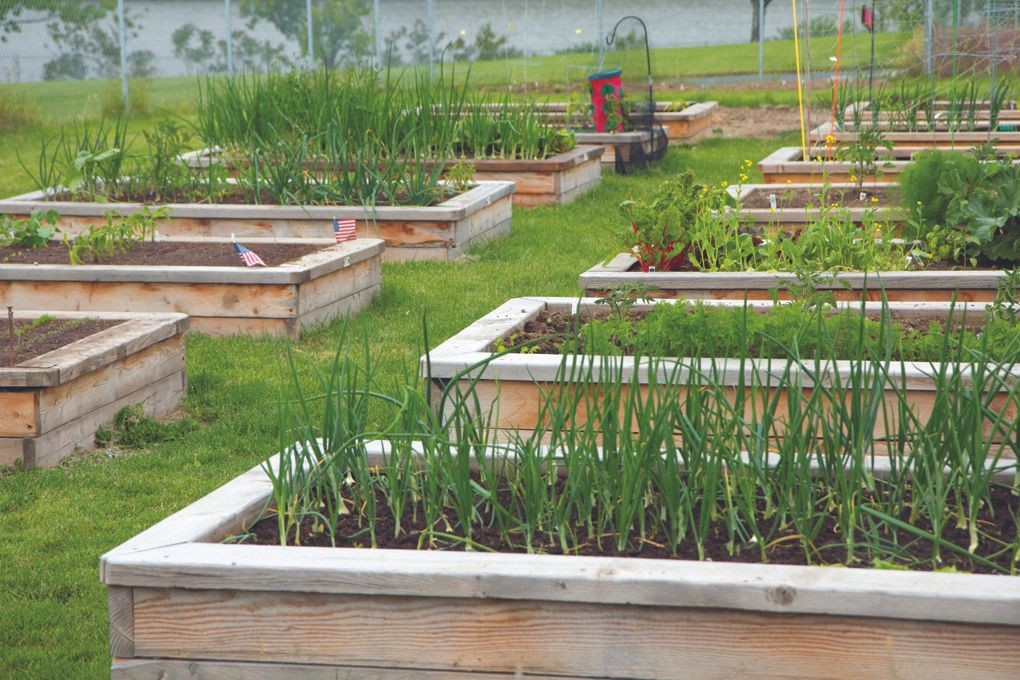

ASHEVILLE, N.C. (828newsNOW) — Raised bed gardens are one of the most practical solutions for Asheville and Western North Carolina gardeners. Steep terrain, heavy clay soil, and spring rain that won’t drain make traditional in-ground gardening a challenge across WNC.
Raised beds solve most of those problems, and for renters, they can be built to be portable and temporary with no permanent changes to the property.
Choosing the right spot for a raised bed in WNC
Site selection comes first. Vegetables and most flowering plants do best with strong sun, and gardeners often aim for at least six hours of direct light. In Asheville neighborhoods with heavy tree cover, the sunniest spot may be a driveway edge, a front yard patch or a cleared corner rather than the backyard.
Raised bed size and height for Asheville yards
Bed size is often determined by reach. A four-foot width is common because most adults can reach the center from either side without stepping on the soil. Length can vary depending on space. Height matters for drainage and ease of use. Taller beds can be easier on backs and knees and can improve drainage in soggy areas.
Portable raised beds for Asheville renters
For renters, portability can be built in. Some choose raised bed kits that can be disassembled. Others use large planters or fabric bed systems that sit on patios and can be moved. Cedar frame kits and modular metal beds are popular with Asheville renters because they break down in under an hour and fit in a truck bed. The main tradeoff is soil volume and watering. Portable beds can dry faster and may need more attention in summer.
How to prepare the ground for a raised bed
Preparation depends on what the bed sits on. On grass, many gardeners place cardboard underneath to smother weeds and define the bed footprint. On gravel or patios, the priority is making sure water can drain away from the base.
Best soil mix for raised beds in Western North Carolina
Soil filling is where raised beds often pay off. Instead of fighting native clay, gardeners bring in a mix that drains well and supports roots. The goal is soil that stays moist without staying waterlogged, especially during spring rains.
What to plant first in a WNC raised bed
Planting can start modestly. Cool-weather crops like leafy greens and radishes can provide quick momentum in spring and fall, while warm-season vegetables follow after frost risk passes. Herbs also work well as early plantings because many tolerate a range of conditions.
| Season | What to plant | Notes |
| Early spring (March to April) | Lettuce, spinach, kale, radishes, peas | Tolerates light frost |
| Late spring (after May 1) | Tomatoes, peppers, cucumbers, squash, beans | Wait until frost risk passes |
| Summer | Herbs, eggplant, okra, successive lettuce | Watch for heat stress above 90F |
| Fall (August to September) | Kale, broccoli, Swiss chard, garlic | Plant 6 to 8 weeks before first frost |
Raised beds do not eliminate gardening chores, but they reduce the most common early frustrations in Western North Carolina: compacted soil, poor drainage and uncertainty about where to start. For many Asheville gardeners, they also make gardening feel possible in spaces that once felt unworkable.
This guide is part of the 828NewsNow Garden Anywhere series — Asheville and Western North Carolina’s resource for small-space gardening. Explore the Garden Anywhere Series.