


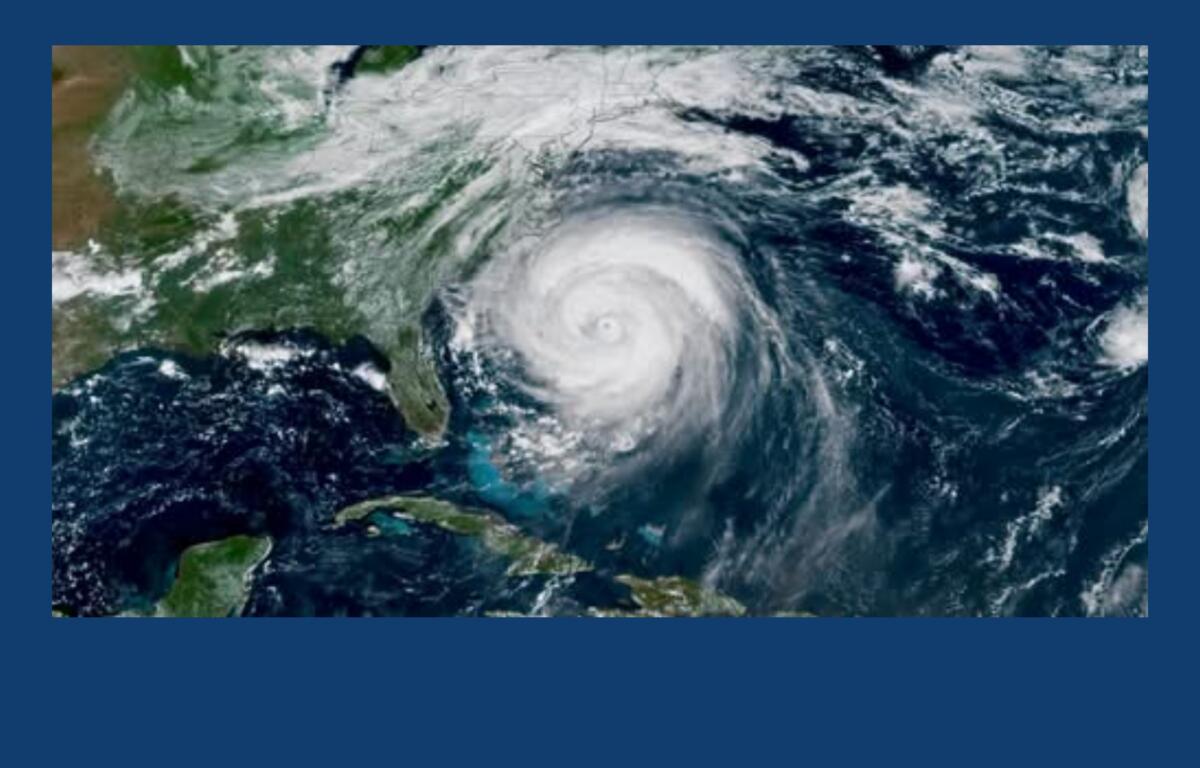

ASHEVILLE, N.C. (828newsNOW) — Forecasters at the National Oceanic and Atmospheric Administration are predicting a quieter-than-average Atlantic hurricane season in 2026, but they have a message for residents across the Carolinas: don’t mistake “below normal” for harmless.
NOAA’s outlook, released Wednesday, gives the upcoming season a 55 percent chance of being below normal, a 35 percent chance of being near normal and only a 10 percent chance of being above normal.
The agency expects between eight and 14 named storms from June 1 through Nov. 30. Of those, three to six are forecast to become hurricanes, with one to three strengthening into major hurricanes of Category 3 or higher, packing winds of at least 111 mph.
By comparison, an average Atlantic season produces 14 named storms, seven hurricanes and three major hurricanes.
It only takes one
For communities across Western North Carolina and the Carolinas still recovering from the devastating impacts of Tropical Storm Helene, the forecast offers some encouraging news — but not a reason to relax.
“It only takes one storm to make for a very bad season,” National Weather Service Director Ken Graham said while urging residents to review emergency plans before the season begins.
The El Niño impact
The outlook is being driven by competing climate influences. Forecasters expect El Niño conditions to develop and strengthen in the Pacific Ocean during the season. El Niño typically reduces hurricane activity in the Atlantic by increasing upper-level winds that disrupt storm formation.
At the same time, Atlantic Ocean temperatures are expected to remain slightly warmer than normal, while trade winds could be weaker than average — conditions that generally favor tropical development.
The result is a forecast that points toward fewer storms overall but still leaves room for dangerous hurricanes.
Changes in forecasting technology
Federal officials say advances in forecasting technology are helping improve the accuracy and speed of storm predictions.
“With the most advanced forecast modeling and hurricane tracking technologies, NOAA and the National Weather Service are prepared to deliver real-time storm forecasts and warnings,” Commerce Secretary Howard Lutnick said in a statement.
NOAA Administrator Neil Jacobs said the agency is increasingly relying on artificial intelligence, drones and next-generation satellites to improve forecasts and provide emergency managers with more timely information.
Among the changes this season, the National Hurricane Center will introduce updated forecast graphics that expand hurricane and tropical storm watches and warnings farther inland on its familiar forecast cone maps. Officials hope the changes will help residents away from the coast better understand their risks.
The agency is also testing an experimental version of the forecast cone designed to show a wider range of possible storm tracks and timing scenarios.
New flood forecasting tools
New flood forecasting tools are expected to provide emergency managers with detailed maps showing which neighborhoods and roadways could be inundated before a storm arrives. NOAA’s Flood Inundation Mapping program currently covers about 60% of the U.S. population and is expected to expand significantly later this year.
Researchers are also integrating data from small uncrewed aircraft into hurricane forecast models for the first time. NOAA says the technology could improve hurricane intensity forecasts by about 10 percent, a key advancement as forecasters continue to study storms that rapidly intensify before landfall.
Despite those technological improvements, officials stress that preparedness remains the best defense.
The seasonal outlook predicts overall storm activity across the Atlantic basin but does not indicate where storms will form or whether any will strike land. A single hurricane can make a season memorable regardless of how many storms develop elsewhere.
That lesson remains fresh across much of the Southeast, where communities are still rebuilding from Helene’s flooding and infrastructure damage.
With hurricane season beginning June 1, forecasters say now is the time to review emergency plans, replenish disaster supplies and stay informed — because even a quieter season can change quickly.
2026 Atlantic hurricane names
If storms form this year, they will receive the following names in order: Arthur, Bertha, Cristobal, Dolly, Edouard, Fay, Gonzalo, Hanna, Isaias, Josephine, Kyle, Leah, Marco, Nana, Omar, Paulette, Rene, Sally, Teddy, Vicky and Wilfred.