


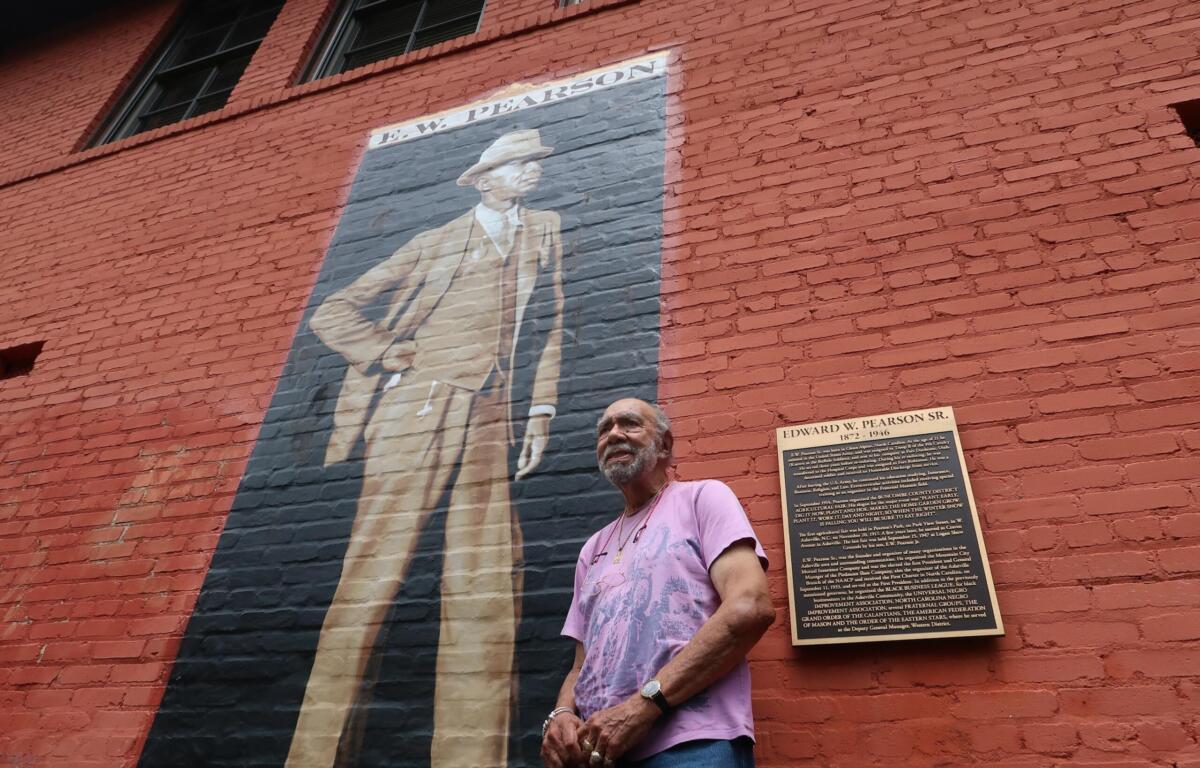

ASHEVILLE, N.C. (828newsNOW) — As the Interstate 26 Connector has progressed across the Asheville area, it has brought changes and complications to several Asheville communities, particularly in West Asheville.
Clifford W. Cotton II, a lifelong resident of the Burton Street neighborhood, provided his perspective on the impact the project and other recent development has had on his community.
Cotton is the grandson of E. W. Pearson, the founder of the Burton Street community and a 20th-century Asheville luminary. Among Pearson’s accomplishments were the establishment of the first Asheville chapter of the NAACP and the Asheville Royal Giants, the city’s first Black semi-pro baseball team, as well as the organization of the Buncombe County and District Colored Agricultural Fair, a community event that drew thousands of attendees and encouraged neighborhood residents to grow their own food.
The entrepreneur made an impression on many across the region, including Cotton: Pearson died on July 4, 1946, but his grandson, born in 1943, said he remembered him all the same.
Cotton is a musician, storyteller and community advocate himself. He takes an active role with the Burton Street Community Association, an organization which serves as the bedrock of connectivity and outreach in the neighborhood, and is a regular participant in Hood Huggers International’s Asheville history tours. Cotton has spent his life devoted to Burton Street. Now, he is concerned for the life of the neighborhood.
Prices gone up, people pushed out
As West Asheville has undergone development, more and more new people have moved in, which has driven up prices and pushed older people out, Cotton said.
“The whole climate’s going to change, with the clientele coming in with the fat price they’re trying to get for these residence. Clientele is coming in, and it’s gonna lead the oldest people out, because they’re not gonna be able to compete with the young crowd,” Cotton said. “The ones that’s involved, they’re not gonna be able to deal with it. Man, I won’t be able to deal with it. I mean, a million dollars for a house?”
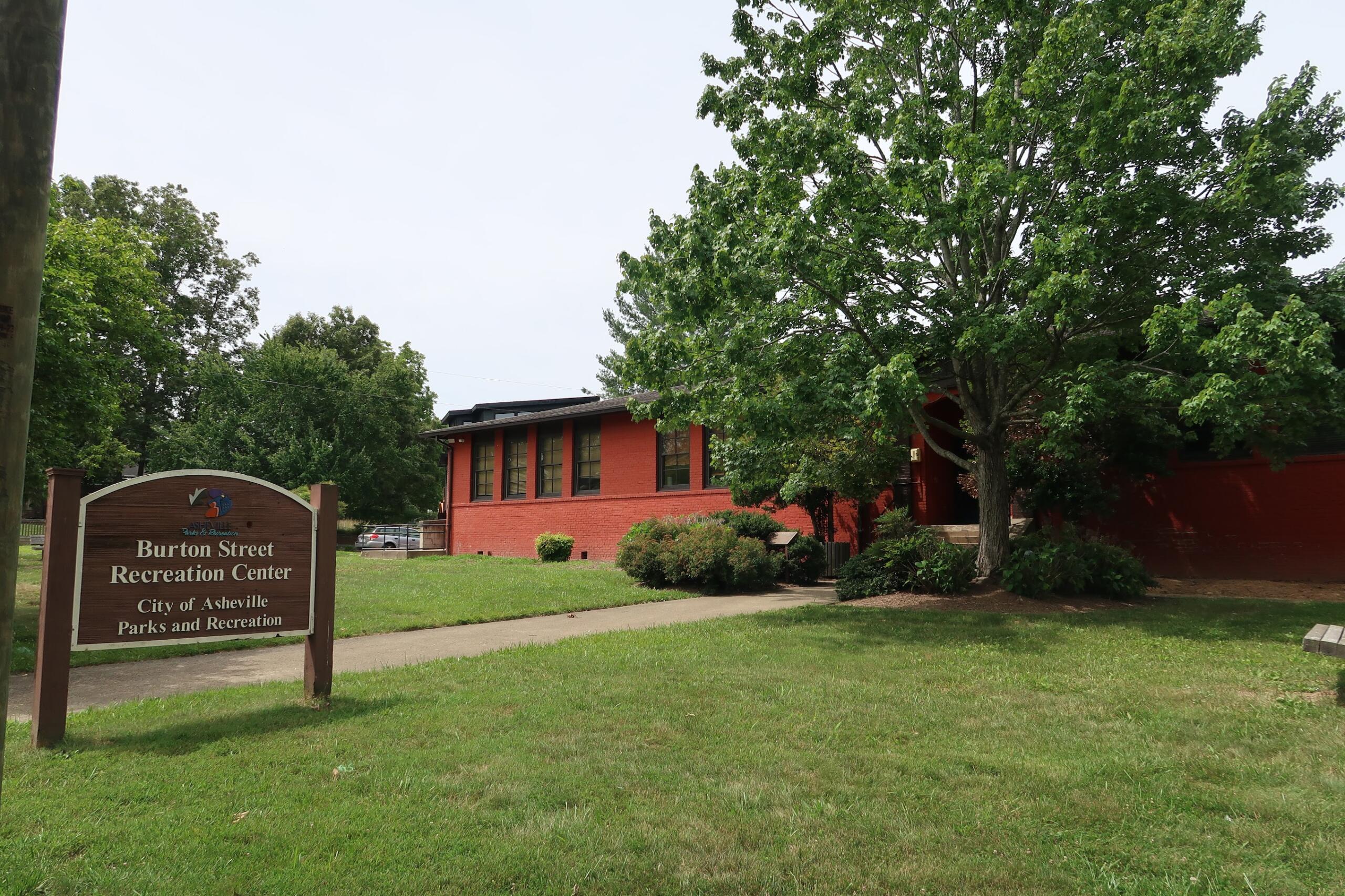
A new home, located at 98 Downing St. in the heart of the Burton Street neighborhood, directly adjacent to the Burton Street Recreation Center, was recently listed for $995,000. Cotton said the new building sits in stark contrast with neighboring homes.
“My house, I think it was two or three thousand dollars when I came about that house. You know, that was built in 1921, that house was. I’m still living there today,” Cotton said.


It’s not just the price values that have been changing. Cotton said that the value of connection between neighbors has been fading from the community, too.
“It’s not the camaraderie that it used to be. Like, the people that move in, you don’t even know the people next door. I mean, they’re not coming in to see you. People used to speak, every time, whether they knew you or not, they would stop and talk to you while you’re on the porch, but that’s long gone days,” Cotton reflected. “Kids, you talk to them, they’ll cuss you out. So, that’s a long gone story. You just can’t talk to the kids like you used to, and so the older people just don’t deal with it, and so they’re losing all that around the neighborhood that used to be here like that.”
Enter: I-26 Connector project
Cotton said that I-26 Connector development has hurt the neighborhood in other ways. Previous North Carolina Department of Transportation analysis has concluded that sections of Burton Street will be taken over by the project. A left-turn from the Burton Street neighborhood onto Haywood Road has been slated for removal, limiting the flow of traffic out of the community. The result, Cotton said, is that the neighborhood is starting to be boxed in.
“It’s a very difficult job to do because this is just a congested area, and to do something to expand it, it’s been very difficult. There’s nowhere for it to expand to!” Cotton said. “Probably, it’s not going to solve anything, because it’s going to make our living more congested. As far as traffic is concerned, it just can’t handle traffic now. Now, with one or two cars, you can’t walk on the street. There’s no place, nowhere to go. Nowhere to go.”
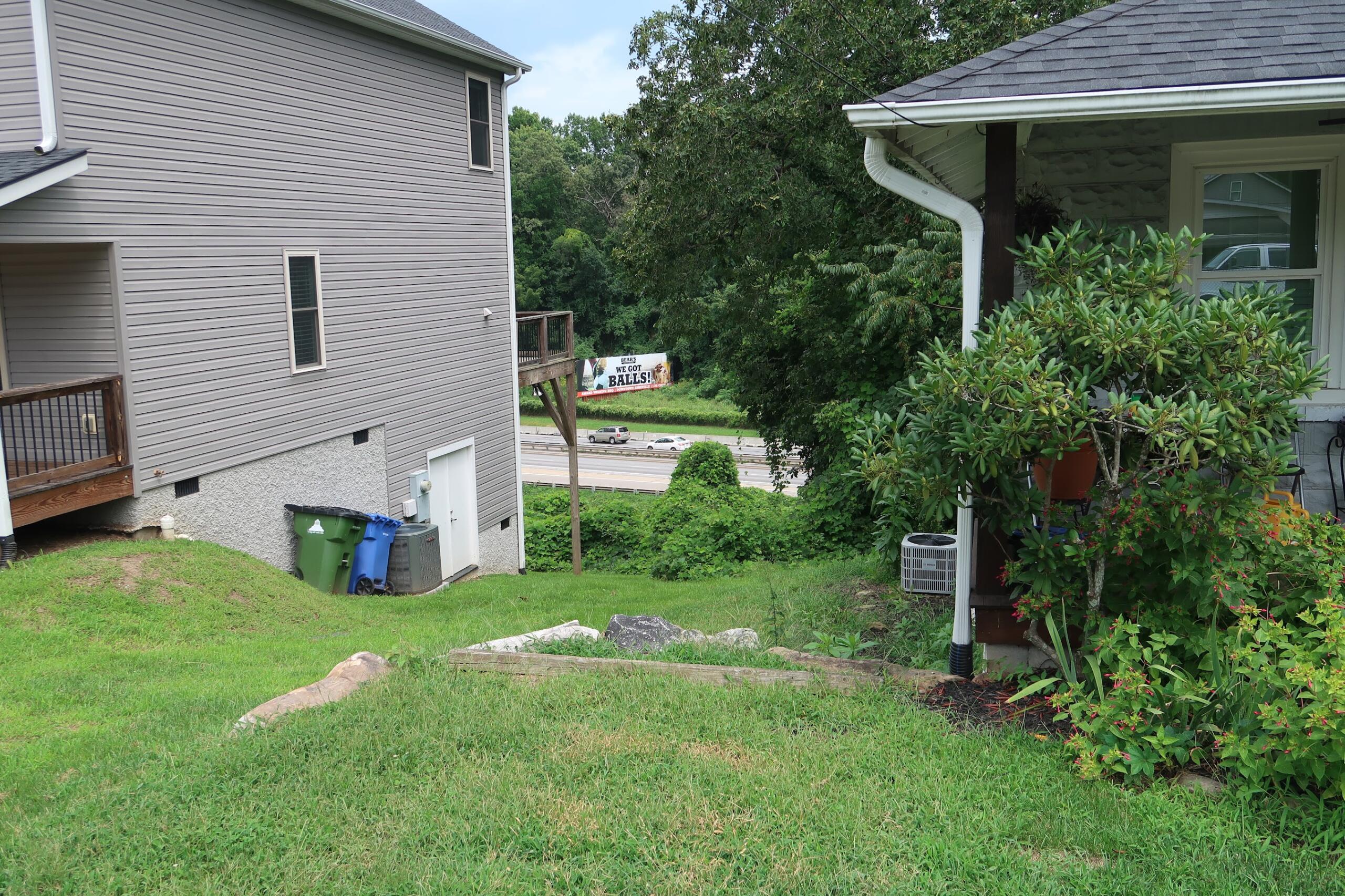
The NCDOT had previously identified Burton Street as a community likely to experience negative impacts from the I-26 Connector project. A 2020 Final Environmental Impact Statement “determined the Burton Street Community will experience recurring impacts to community cohesion, reduction in neighborhood land, changes in access and connectivity and displacements,” the NCDOT said in a May 2023 report.
Despite this, the NCDOT said that they are working with the community to lessen the harm the project might do.
“Unavoidable impacts to the Burton Street Community are being mitigated through additional public outreach with this community throughout the project development process,” the NCDOT wrote in the report.
Stormwater struggles
The city of Asheville has also been working to improve systemic infrastructure issues in the community. One city initiative is the Burton Street Neighborhood Stormwater Improvements Project, intended to improve stormwater drainage and reduce flooding and standing water issues in the neighborhood. Funding applications for the $1 million project were approved this past June. Read more in our story here.
Cotton said that for Burton Street residents, the project has been a long time coming.
“We’re more in touch with the DOT and the city, and they’re listening to some of the things that we’ve been complaining about for years, and years and years, and they’re finally getting around to it,” Cotton said. “Like the street they’re trying to improve, the wash away and all that.”
However, Cotton does not feel that requests from present residents are what prompted the project to be greenlit.
“We requested that for years. It’s not the first time they heard it, I was doing that 10 years ago,” Cotton said. “The people who are interested in this area, that’s what’s causing them to do more improvements here. It’s just for people that’s trying to come in, more than people that is already here.”
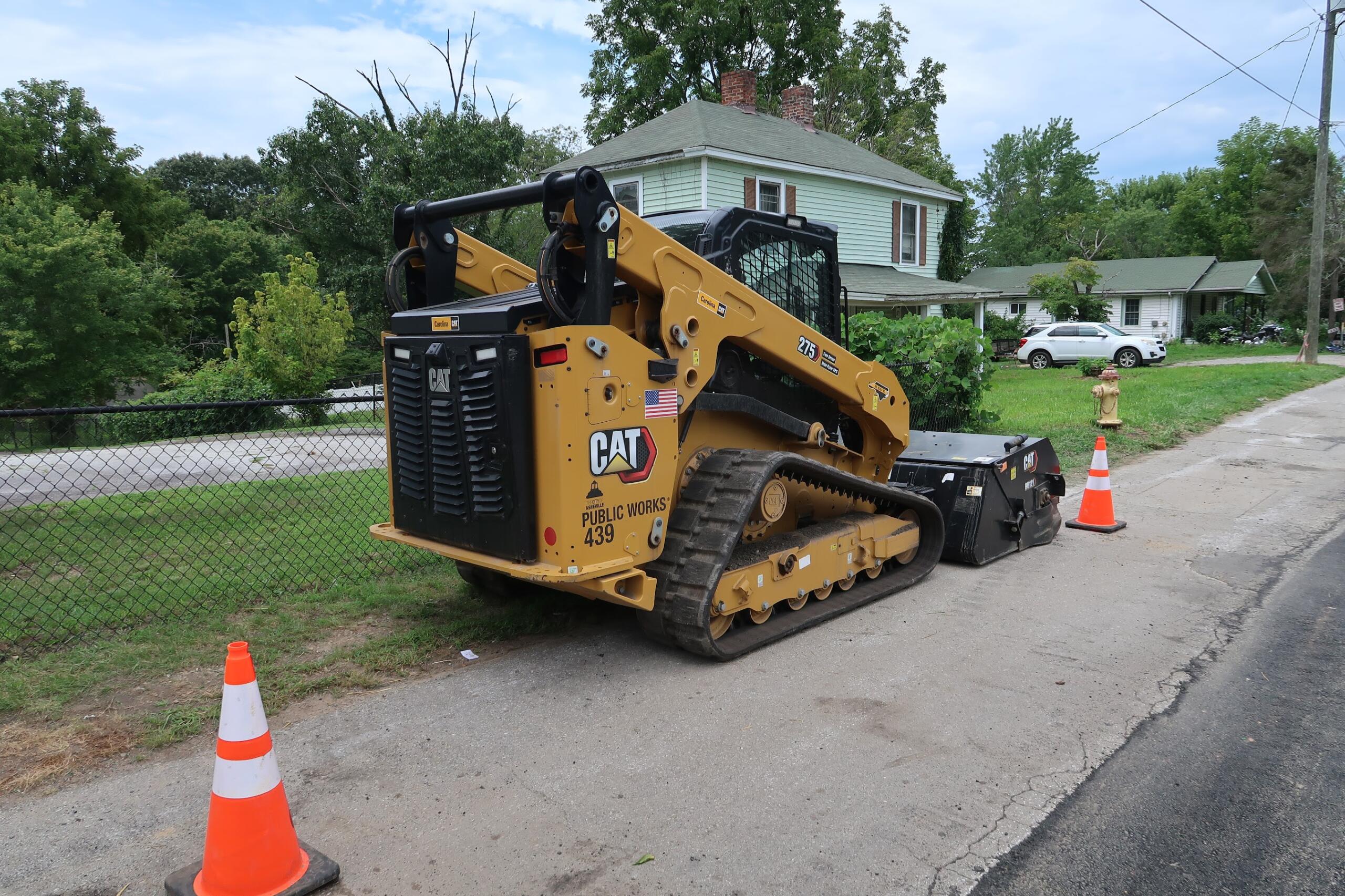
Now that the project is underway, the Burton Street resident said that it has been going well, but that the process has underlined the limited space of the neighborhood.
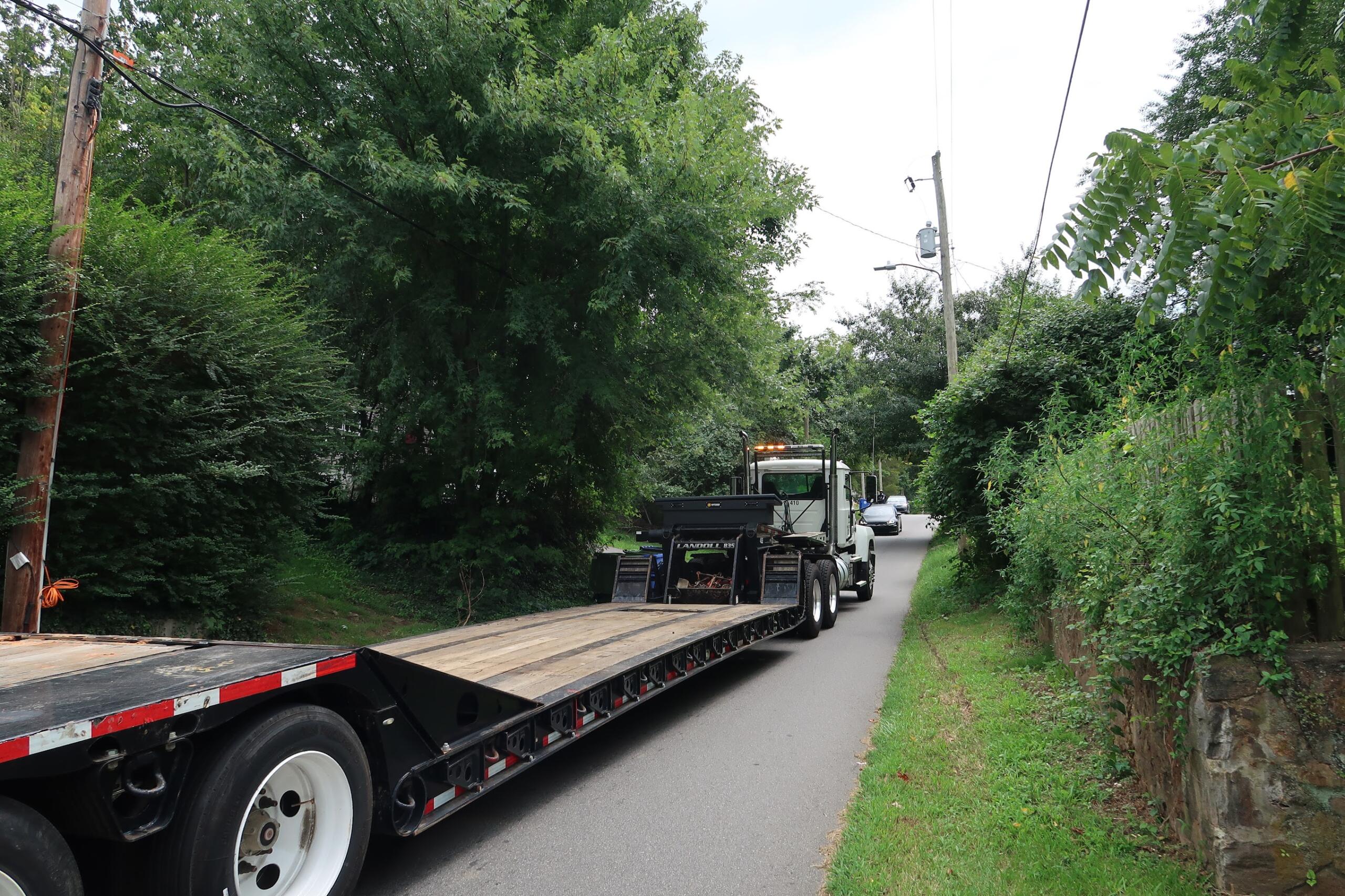
“You can’t avoid that route. It goes one way in, one way out. It’s gotta be, because there’s no escape. They’ve been handling it pretty well, ’cause all that heavy equipment was down there, but it also got stuck coming out of there,” Cotton said. “There’s still another paving machine down there, which they’ll probably get out later.”
Looking toward the future, remembering the past
When asked if there was anything he felt hopeful about when it came to the development around Burton Street, Cotton said that he hoped it would draw more attention to the history of the community.
“I’d like for it to be that way. I’d like for it to continue the legacy of Burton Street, because there’s a big legacy,” Cotton said. “But I want people to learn more about it.”
For more information about Burton Street, explore the Burton Street Community Association website, www.burtonstreet.org.
Have you been impacted by the I-26 Connector project? We want to hear from you.
As the I-26 Connector continues, 828newsNOW is looking to share perspectives on the project from the people of Asheville. If you have been impacted by the project, for better, for worse or somewhere in-between, and wish to share your story, reach out to us via email at news@828newsNOW.com.
If you would like to speak to this reporter directly, send an email to pruett@828newsNOW.com.
Read related reporting: