



ASHEVILLE, N.C. (828newsNOW) — Millions of Americans evaluate their health plan options during open enrollment each fall — often the only time of year people can choose or change their health benefits.
Choosing health coverage can feel overwhelming. And with health advice coming from more places than ever, many are left wondering what’s relevant, credible and worth acting on.
As health care costs remain top of mind, open enrollment is a chance to review your coverage and prepare for the year ahead.
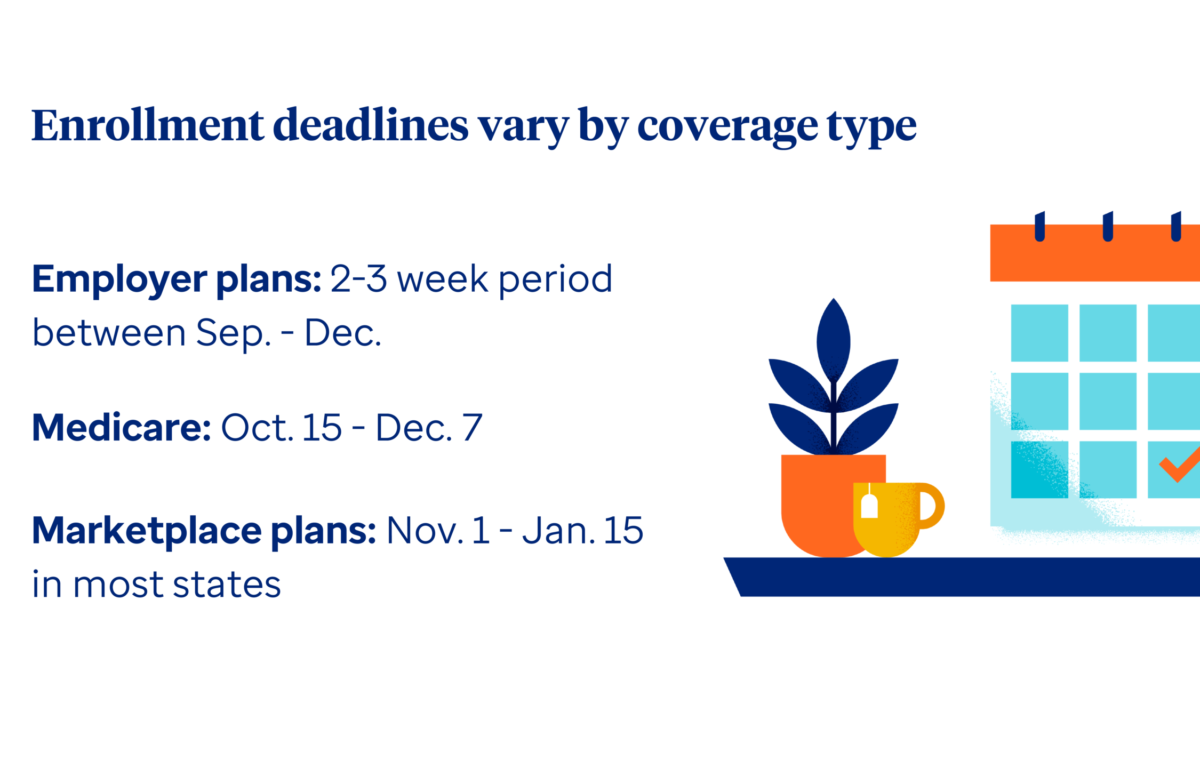
Know your open enrollment deadline
Open enrollment dates aren’t the same for everyone. They depend on how you get your health coverage.
- Employer-sponsored insurance: If you get insurance through your employer, open enrollment typically occurs during a two- to three-week period between September and December.
- Medicare: If you’re eligible for Medicare, the Medicare annual open enrollment period runs from Oct. 15 through Dec. 7.
- Health Insurance Marketplace: If you get coverage through the Health Insurance Marketplace, open enrollment begins Nov. 1 and ends Jan. 15 in most states.
The coverage you choose during open enrollment will generally begin Jan. 1. Even if you expect to keep your current plan, the costs, coverage and benefits can change from year to year.
As you compare plans, consider the following questions:
1. Do I understand what I’m comparing?
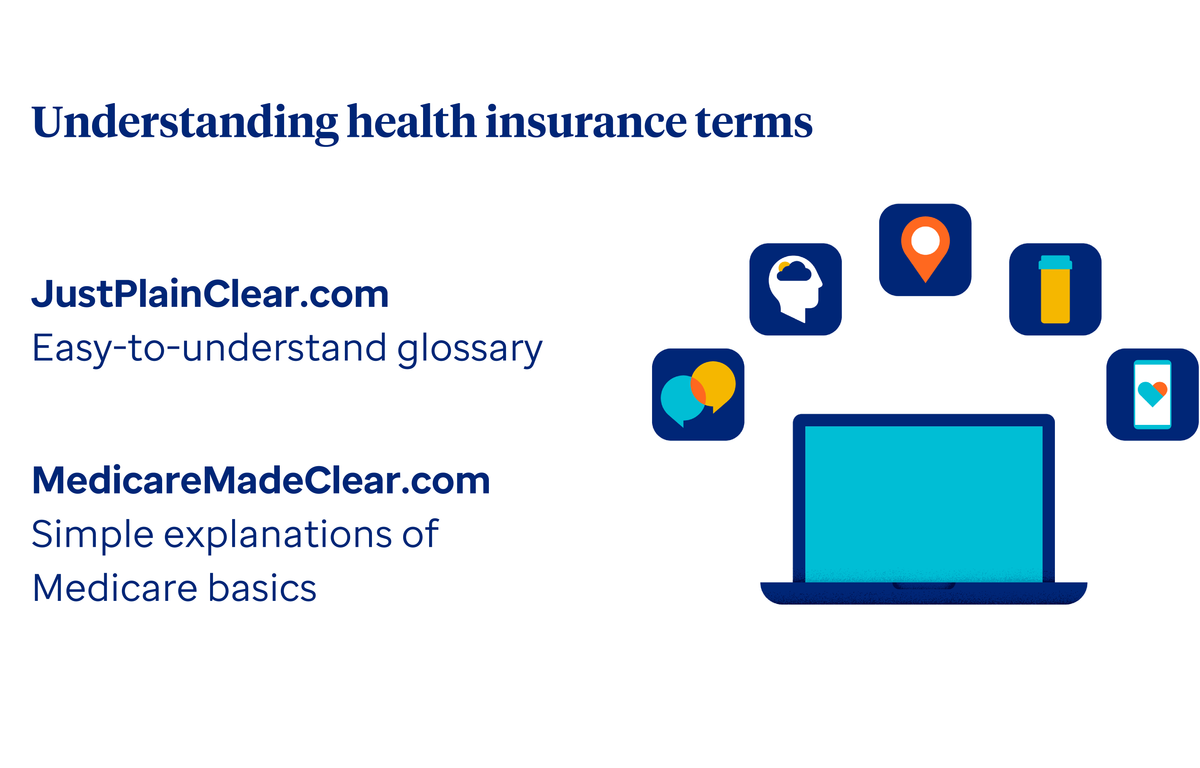
Health insurance terms can be confusing, but resources like Just Plain Clear are available to help you feel more confident about your decision.
Medicare: Medicare Made Clear breaks down the basics and complexities of Medicare in a way that’s easy to understand
.
2. Beyond my premium, what will I be responsible for paying?
It’s tempting to focus on the monthly premium alone, but that’s only one part of the overall cost of health care coverage.
Also consider the out-of-pocket costs you may pay when you actually use care, whether that’s a copay for a routine visit or prescription, your share of the cost for a hospital stay or procedure, or the amount you’ll need to pay before certain services are covered.
Understanding those costs ahead of time may help prevent surprise expenses later.
Medicare: Make sure you understand the difference between Original Medicare and Medicare Advantage. Look for trusted Medicare education resources that explain eligibility, plan choices, costs and prescription coverage.
3. Will my doctor or prescriptions still be covered?
When comparing coverage options for the coming year, look for the people and services you already use and trust.
That may be a pediatrician who knows your child’s history, a therapist you’ve built a relationship with or a medication you take every month. Make sure those doctors, services and prescriptions are covered the way you expect.
Medicare: Not all Medicare plans include prescription drug coverage, so be sure to compare costs, coverage and provider access when evaluating your options.
4. Will I know what care will cost before I make an appointment?
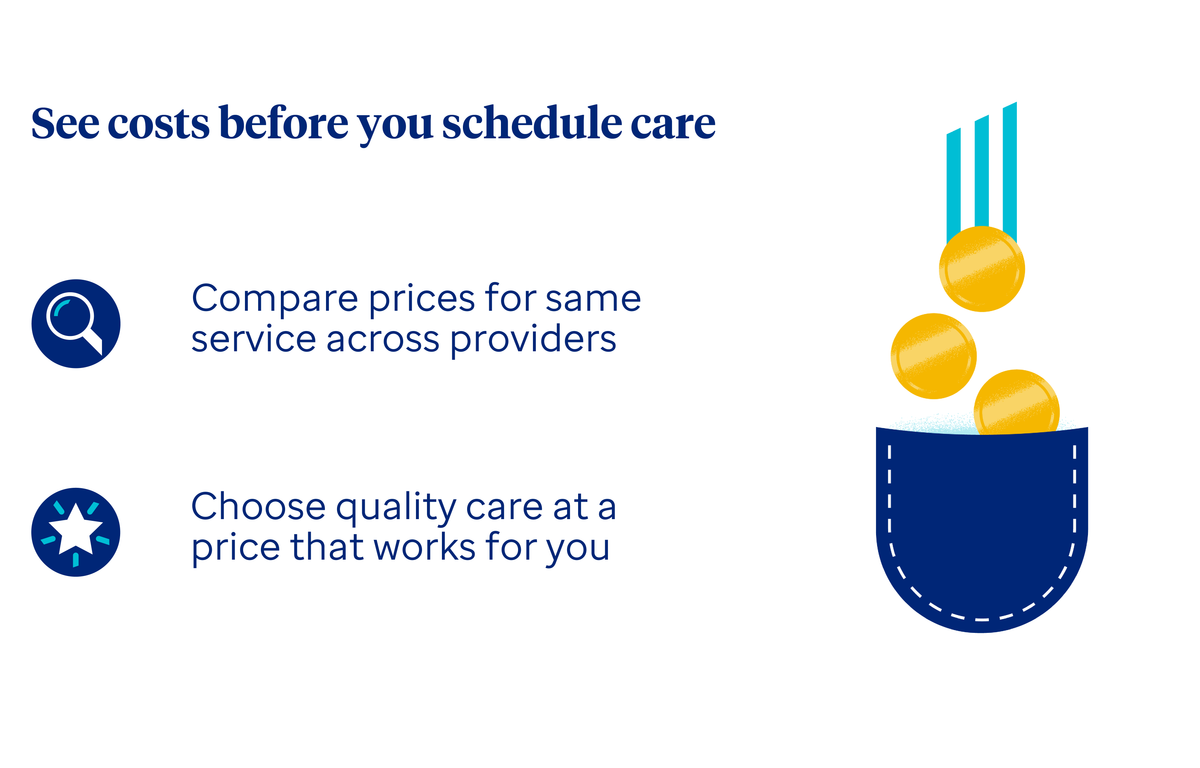
Historically, it has been too difficult for people to understand what they will pay for care before they receive it. Most people wouldn’t book a flight or schedule a major repair without first understanding the costs. Yet too often people go into back surgery, an MRI or physical therapy without knowing what they’ll pay until later, even though costs can vary significantly depending on where care is received.
As you compare options, consider what resources are available to help you understand your costs and treatment options before receiving care. Some health plans, like Surest, are designed with upfront transparency in mind, helping you understand exactly what you’ll pay, compare care options and make more informed decisions before scheduling care.
Medicare: A quick call before an appointment can go a long way. Ask whether the provider accepts your plan and what costs you may be responsible for before receiving care.
5. Is mental health support included?
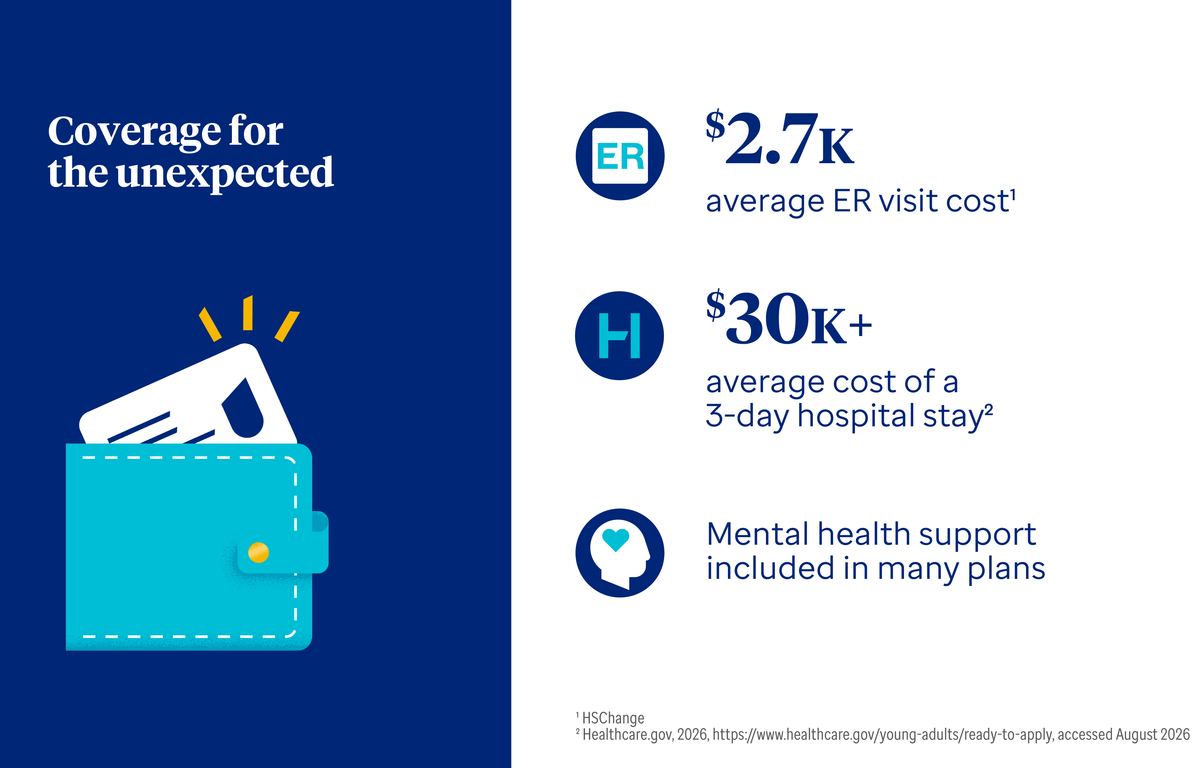
Mental health needs can look different for everyone. Whether you’re managing stress or anxiety, helping your teen navigate social pressures or going through a major life change, having access to the right support can play an important role in your overall health and quality of life.
As you compare plans, look at what mental health services are covered, such as in-person and virtual visits, coaching, 24/7 mental health support lines and digital self-care tools. Some insurers, like UnitedHealthcare, may provide a wide range of mental health offerings, including tools for in-the-moment support, like Calm Health.
Medicare: Look for plans that include virtual mental health care with a $0 copay.
6. Am I leaving benefits on the table?
As you review your options, look beyond medical coverage. Benefits such as dental, vision and financial protection coverage like critical illness may be available. Understanding what’s included can help you avoid leaving valuable support on the table.
Some plans help identify whether you’re eligible for benefits you may not realize are available. For example, if you’re hospitalized or experience an unexpected health event, you may be eligible for a cash payment — and in some cases, the process to identify that eligibility can start before you even realize the benefit is available.
Medicare: Don’t forget that dental, vision and hearing coverage can vary across Medicare coverage options, so it’s important to compare benefits when choosing a plan.
7. Will this plan be easy to use in real life?
Health care questions can pop up at any time. Whether you’re managing diabetes, choosing a new doctor or trying to understand a bill, having the right support can make your experience feel less overwhelming.
When comparing plans, think about what resources are available to help you use your plan throughout the year. Some plans offer personalized recommendations within easy-to-use mobile apps to help you compare options ahead of time based on cost, quality or convenience. Others may connect you to support tailored to your needs, whether that’s nutrition guidance, caregiving resources or women’s health programs.
Medicare: Older adults are embracing digital tools. Health plan apps can help with claims, rewards and prescription refills.
For more articles and videos about open enrollment, visit UHC.com/oe.