



ASHEVILLE, N.C. (828newsNOW) — What happened during the week of Nov. 29-Dec. 5 in Western North Carolina history?
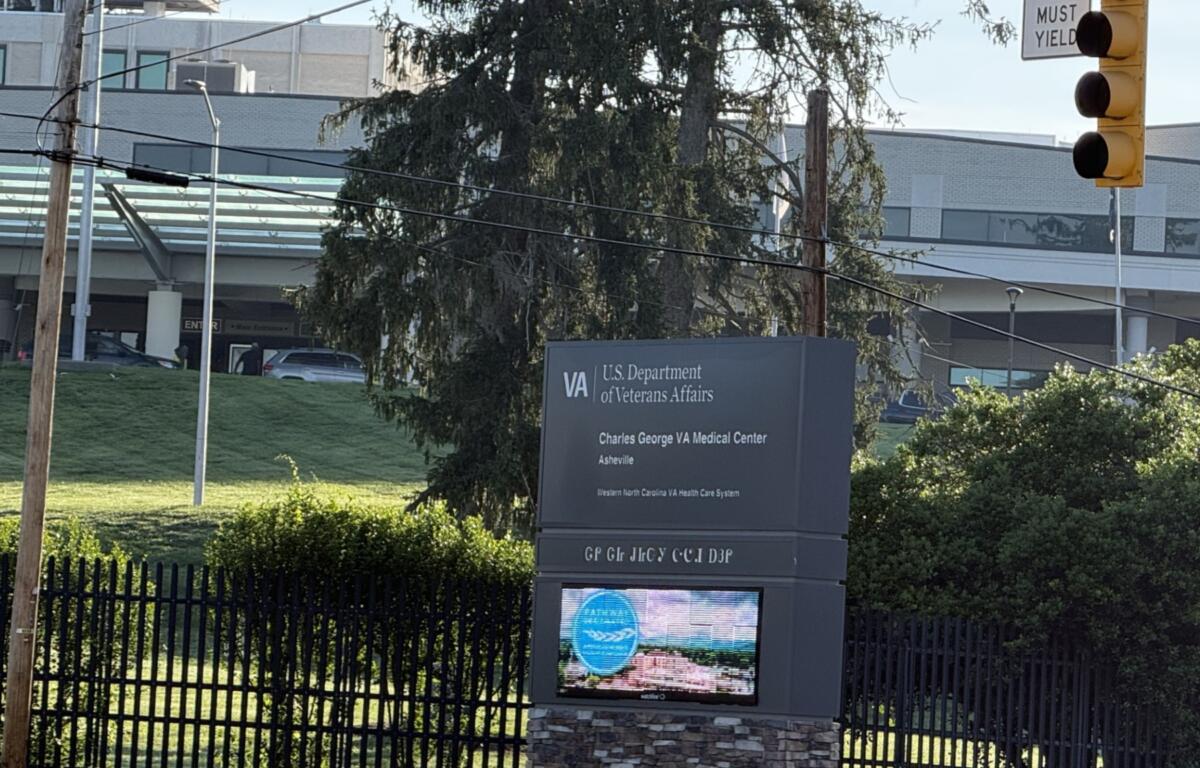
Citing several different sources, here’s a look at historical events that were reported on this date in the 828 for this week, including when a county in Western North Carolina was first established and what happened to Charles George, which the Charles George VA Center in Asheville was named for.
Nov. 29
1918: Planned Thanksgiving event canceled in Asheville due to flu outbreak
According to Rural North Carolina history, A resurgence of influenza cases led Asheville health authorities to cancel a planned community Thanksgiving gathering involving local churches on Nov. 29, 1918. A newspaper report published Nov. 29 said 32 new cases had been reported the previous day. Officials also prohibited several dances as a precaution.
Nov. 30
1952: Cherokee soldier Charles George, the Asheville VA namesake, dies saving fellow soldiers
Private First-Class Charles George, a member of the Eastern Band of Cherokee Indians from Birdtown in Swain County, died in Korea after throwing himself on an enemy grenade to protect two fellow soldiers, according to a report from the North Carolina Department of Natural and Cultural Resources. He was 20 years old. He received the Medal of Honor posthumously in 1954. The Asheville VA Medical Center was later named in his honor.
Dec. 1
1825: Big Tom Wilson is born in Yancey County
According to NCPedia, Thomas D. “Big Tom” Wilson was born Dec. 1, 1825, along the Toe River in Yancey County. Wilson became a legendary bear hunter, trapper and mountain guide in the Black Mountains. He was known throughout the region for his knowledge of the mountains and wilderness.
Dec. 2
1810: Bishop Francis Asbury travels to WNC
According to RandolphLibrary.org, Methodist Bishop Francis Asbury traveled into Western North Carolina with other prominent Methodist leaders. On Dec. 2, Asbury and Henry Boehm arrived in Asheville and preached at Newton’s Academy. Meanwhile, Bishop William McKendree and preacher John McGee preached at the home of Samuel Edney near present-day Hendersonville. The visit was part of the early spread of Methodism throughout the mountain region.
Dec. 3
1679: North Carolina passes a law addressing witchcraft
On Dec. 3, 1679, a North Carolina law was passed directing local juries to investigate “felonies, witchcraft, enchantments, sorceries, and magick arts, among other crimes.” This was according to the North Carolina Department of Natural and Cultural Resources.
Dec. 4
1865: North Carolina ratifies the 13th Amendment
North Carolina ratified the 13th Amendment to the U.S. Constitution on Dec. 4, 1865. The amendment abolished slavery throughout the United States, except as punishment for a crime. According to the North Carolina Department of Natural and Cultural Resources, the ratification came after the Civil War and marked a major milestone in the state’s history.
Dec. 5
1791: Buncombe County is established
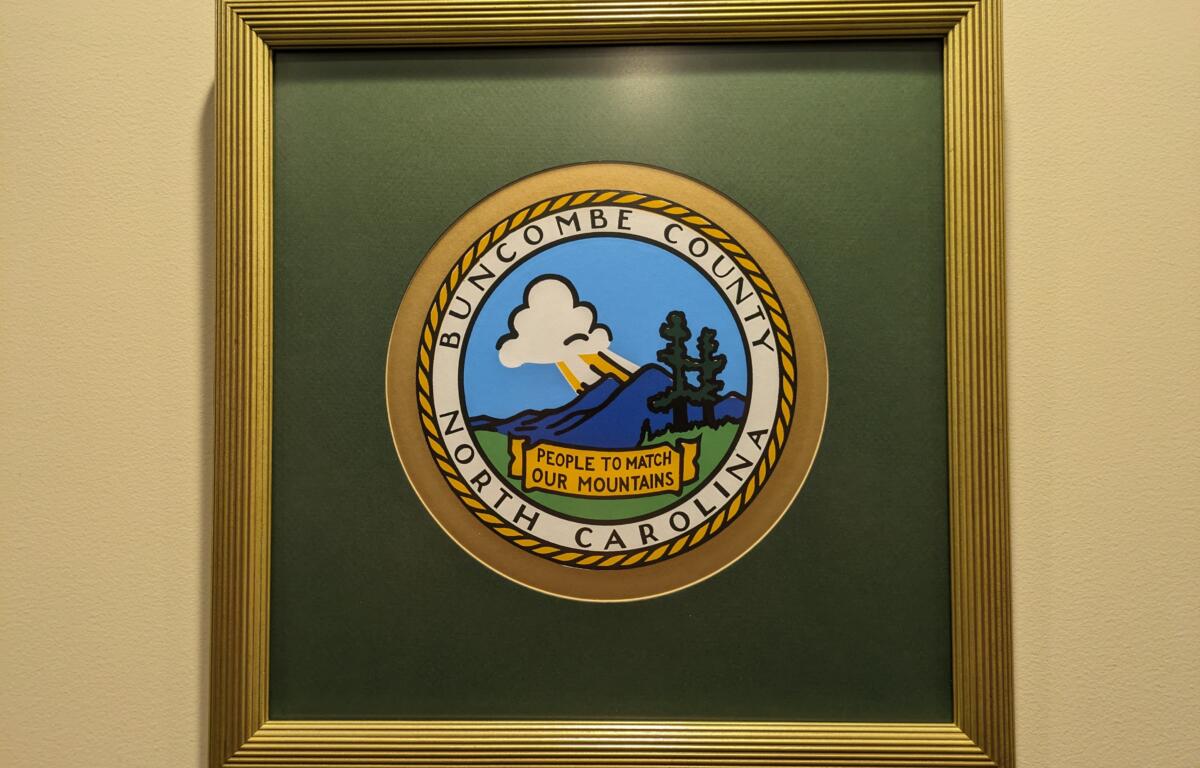
According to the Buncombe County Government website, Buncombe County was established on Dec. 5, 1791, by an act of the North Carolina legislature. The county was named in honor of Revolutionary War general Edward Buncombe. William Davidson and Col. David Vance were instrumental in establishing the county, and the city of Asheville eventually became its county seat.