



Mountain Song Festival, Carolina Mountains Literary Festival, Brews & Bears, Asheville Tattoo Arts Festival, Little Feat and Railway Races are among the weekend events across WNC.
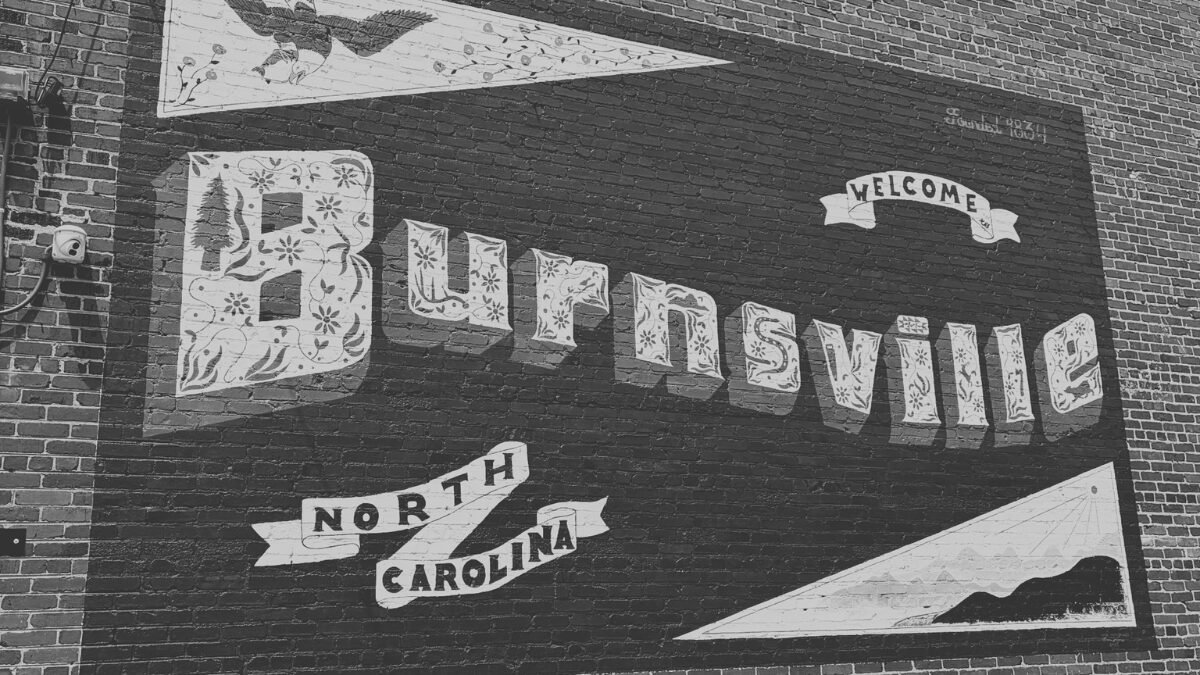
The Asheville author testified in a Yancey County murder trial after witnessing a Burnsville confrontation one week before a deadly shooting.
A man known locally as the Linville Hermit is said to have vanished from his mountain cabin in the 1800s. No official record exists, but the story has remained part of local folklore for generations.
Gig Young’s rise, fall and violent final act still echo from Manhattan to the mountains, where he’s buried under his real name.
A legend from Polk County tells of a mysterious creature once seen by a young boy in the Appalachian foothills.
A Connecticut-born pioneer of electric lighting and his North Carolina wife rest in Asheville’s Riverside Cemetery, their stories entwined with industry, innovation and philanthropy.
EDNEYVILLE, N.C. (828newsNOW.com) — In the open farmland of rural Henderson County, two oversized […]
A story that runs from Asheville’s tuberculosis era to Thomas Wolfe’s fiction and early American horror.
Utilities warn extreme cold could strain the power grid and increase outage risk as customers are asked to cut usage during peak morning hours Monday.
Meet Amos Owens, the Cherry Bounce King of North Carolina, whose moonshine legacy and infamous mountain parties made him a folk legend on Cherry Mountain in the late 1800s.