



ASHEVILLE, N.C. (828newsNOW) — Twelve cases of a highly contagious intestinal infection were reported in Buncombe County during the first nine months of 2026, as federal health officials warn that some strains of the bacteria responsible for the illness are becoming increasingly difficult to treat.
The Centers for Disease Control and Prevention has classified drug-resistant Shigella as a serious public health threat in its latest Antimicrobial Resistance Threats Report, released in October.
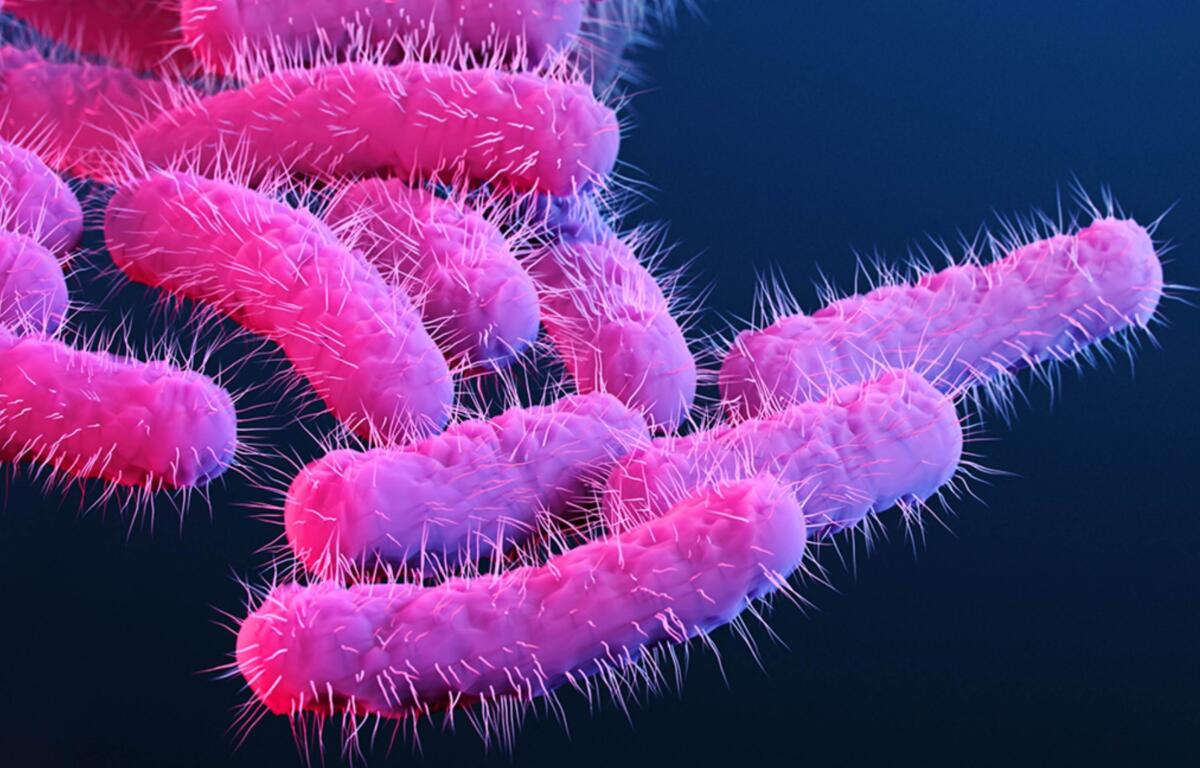
Shigella is a type of bacteria that causes an intestinal infection called shigellosis. The illness can cause diarrhea, sometimes bloody, along with fever and stomach cramps. It spreads easily, and it takes only a tiny amount of the bacteria to make someone sick.
According to the North Carolina Department of Health and Human Services’ disease dashboard, Buncombe County recorded three cases of shigellosis from January through March, five from April through June and four from July through September.
The figures alone do not indicate whether infections are increasing locally, and there is no confirmation that any of the Buncombe County cases involved antibiotic-resistant bacteria.
But the CDC’s latest findings are raising concerns about infections that may be much harder to treat.
Drug resistance becoming a concern
The CDC estimates that drug-resistant Shigella caused nearly 679,000 infections, more than 7,100 hospitalizations and 96 deaths nationwide in 2023.
In a separate study released in April, researchers found that the percentage of Shigella samples identified as extensively drug-resistant increased from 0% during 2011-2015 to 8.5% in 2023.
Researchers analyzed 16,788 Shigella samples collected through a national surveillance system between 2011 and 2023. Of those, 510, or 3%, were classified as extensively drug-resistant.
The 3% represents the entire study period, while the 8.5% reflects the percentage of tested samples in 2023 alone.
Extensively drug-resistant strains are resistant to five antibiotics commonly used to treat the infection, leaving doctors with fewer treatment options.
The CDC says there are no Food and Drug Administration-approved oral antibiotics specifically for treating drug-resistant Shigella infections, although doctors may have other treatment options depending on the severity of the illness and laboratory test results.
Most people who develop shigellosis recover without antibiotics, usually within five to seven days. But some infections can be severe, particularly among young children and people with weakened immune systems.
North Carolina tracking cases
North Carolina health officials have identified two sexually transmitted Shigella cases associated with a multistate cluster.
James Werner, a press assistant with NCDHHS, confirmed the cases to The Charlotte Observer in a report published Nov. 6.
It has not been established whether either infection involved an extensively drug-resistant strain or occurred in Western North Carolina.
Statewide, North Carolina recorded 482 cases of shigellosis in 2025.
During the first six months of 2026, the state recorded 222 cases, compared with 209 during the same period a year earlier. Health officials consider those numbers stable.
The state’s disease dashboard does not distinguish between infections transmitted through sexual contact and those acquired through contaminated food or water. It also does not identify which infections involved antibiotic-resistant bacteria.
How does Shigella spread?
Although the two North Carolina cases linked to the multistate cluster involved sexual transmission, shigellosis is not exclusively a sexually transmitted illness.
Anyone can get it.
Shigella bacteria are found in the stool of infected people. The infection spreads when someone accidentally swallows even a tiny amount of the bacteria.
That can happen through contaminated food or water, touching contaminated surfaces or having close contact with someone who is infected.
Shigella can spread quickly in places where people have close contact, particularly child care centers, where young children may still be learning proper handwashing habits.
Sexual activity involving exposure to stool can also spread the infection. The CDC identifies men who have sex with men as one group at increased risk. Other groups at increased risk include international travelers and people experiencing homelessness.
What are the symptoms?
Symptoms generally begin one to two days after exposure and may include diarrhea, which can sometimes be bloody, fever, stomach pain and a persistent feeling of needing to use the bathroom even when the bowels are empty.
Most people recover within a week, although some infections can last longer.
The CDC recommends several precautions to reduce the risk of infection:
- Wash hands thoroughly with soap and water, especially after using the bathroom, changing diapers and before preparing food.
- Avoid preparing food for others while sick with diarrhea.
- Keep children with diarrhea out of child care until they meet public health guidance for returning.
- Avoid swallowing water while swimming in pools, lakes or other recreational waters.
- Avoid sexual activity for at least two weeks after diarrhea ends.
People who develop severe diarrhea, bloody stools, fever or signs of dehydration should contact a health care provider.
Because some Shigella strains are resistant to antibiotics, doctors may recommend laboratory testing to determine which medications, if any, are likely to work.
The CDC also advises against taking medications that slow the intestines, such as loperamide, when diarrhea is bloody because they can make symptoms worse.
For now, North Carolina’s overall shigellosis numbers remain relatively stable. The growing concern among federal health officials is not necessarily how many people are getting sick, but how difficult some of those infections could become to treat.