


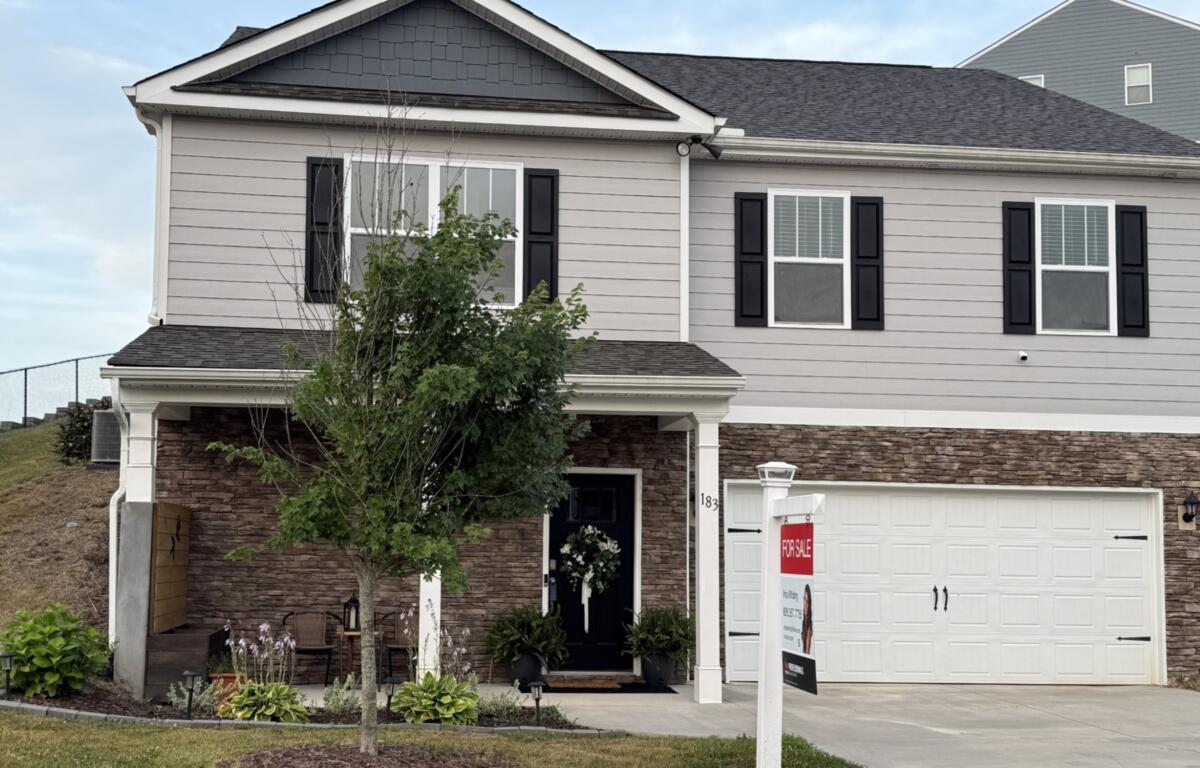

ASHEVILLE, N.C. (828newsNOW) — Ask Asheville residents whether they could afford to live alone, and many don’t hesitate before answering.
“No.”
That was the overwhelming response after 828newsNOW asked readers on social media: Could you afford a one-bedroom apartment — or even a home — in Asheville if you had to pay for it on your own, without a roommate?
Dozens of people said they couldn’t. Some said they’re living with their parents well into adulthood. Others said they had to move away to buy their first home. Several described working full-time but still struggling to make ends meet.
Their experiences echo what housing officials, city planning documents and regional studies have documented for years: Asheville’s shortage of affordable housing is the result of decades of aging public housing, rising construction costs, changing federal housing policies and a widening gap between local wages and housing costs.
But Asheville’s affordable housing debate often comes down to a simple question:
Affordable for whom?
ASHEVILLE REGION HOUSING NEEDS ASSESSMENT
Federal guidelines, local wage data and housing market trends suggest many apartments classified as “affordable” remain beyond the reach of workers who power Asheville’s tourism economy, including restaurant employees, hotel workers, housekeepers, retail workers and others in the service industry.
“I work full time in a successful office and live with my parents because almost $40,000 isn’t enough to make it in Buncombe,” one reader wrote.
Another said, “We had to leave to buy our first home.”
Others said they’re considering leaving the area because they can’t afford to stay, even with roommates. Several described Asheville as increasingly becoming a place where only higher-income households can afford to live independently.
The comments are anecdotal and reflect individual experiences, but many mirror the conclusions of the city’s housing studies.
Why ‘affordable’ doesn’t always feel affordable
Part of the disconnect stems from how affordable housing is defined.
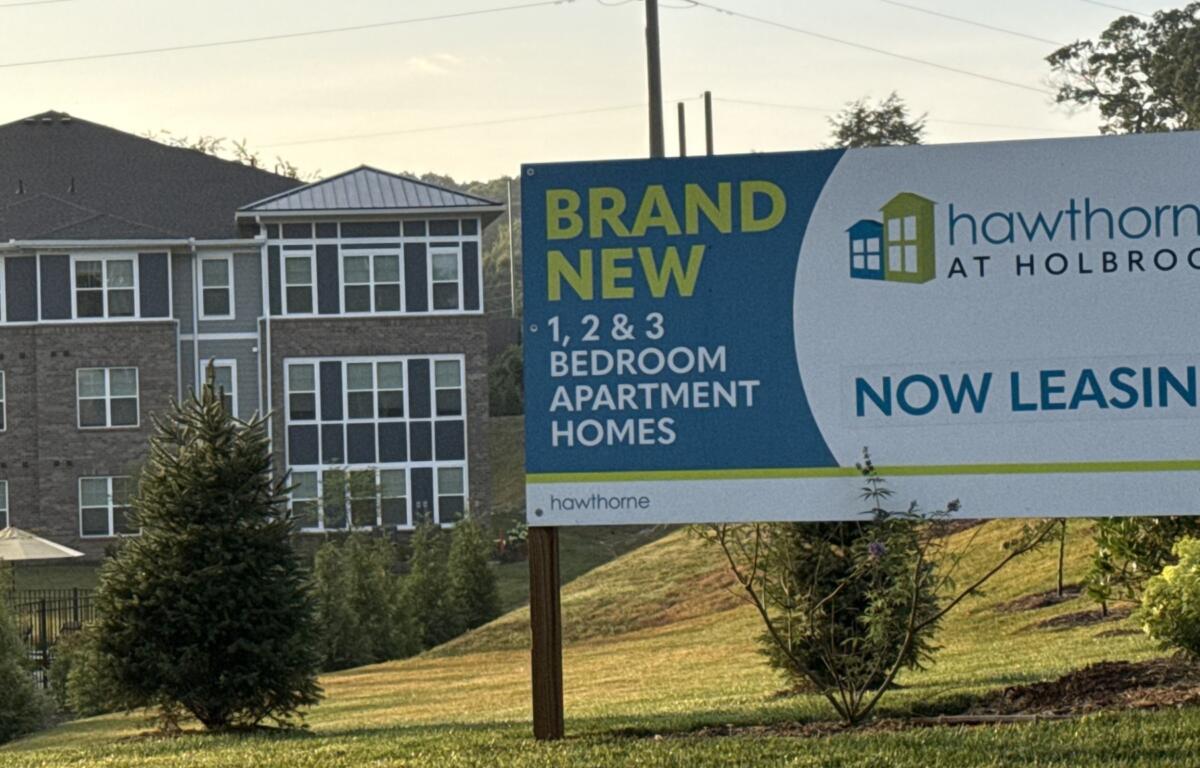
The city defines affordable housing as housing that costs no more than 30 percent of a household’s gross income, including rent or mortgage payments and utilities. Most new affordable developments are financed through the federal Low-Income Housing Tax Credit program, which ties rents to percentages of Area Median Income, or AMI, rather than to the wages earned by specific occupations.
In the Asheville area, AMI is about $103,000. That means apartments can qualify as affordable under federal guidelines even when rents exceed $1,000 a month.
For many workers, those rents remain difficult to afford.
Housing studies have found renters in the Asheville area often need to earn wages in the mid-$20-an-hour range to comfortably afford a typical two-bedroom apartment without becoming cost-burdened. Many jobs in hospitality, retail and other service industries pay considerably less.
The result is that a development can legally qualify as affordable while still being out of reach for many of the restaurant servers, hotel employees, nursing assistants, retail workers and others who make up a large share of Asheville’s workforce.
Those realities surfaced repeatedly in readers’ comments.
One reader said a relative living in a 55-and-older affordable apartment paid about $500 a month eight years ago but now pays $955 — more than half of the resident’s monthly Social Security income. Another said rent for a two-bedroom apartment in Arden has climbed to $1,667 a month.
Several readers also pointed to rising home prices, saying buying a house in Buncombe County has become increasingly out of reach for first-time buyers.
A long-term problem
The affordability challenge has been decades in the making.
Much of Asheville’s public housing was built more than 50 years ago and now requires extensive repairs and modernization. Like housing authorities nationwide, the Housing Authority of the City of Asheville relies heavily on federal funding to maintain and redevelop aging properties, a process often slowed by funding limitations and lengthy approval requirements.
Redeveloping older public housing is also a lengthy process.
City leaders say major projects, including the long-planned redevelopment of Deaverview Apartments, require multiple layers of federal approval, financing coordination, resident relocation planning and phased construction. Completing those projects can take years before new homes become available.
Meanwhile, affordable housing development has shifted away from traditional public housing construction. Today, the city increasingly relies on partnerships with nonprofit and private developers using federal Low-Income Housing Tax Credits to build mixed-income communities, reflecting a national shift in housing policy over the past several decades.
Supporters of that model say it is often the only practical way to finance new affordable housing because of limited federal subsidies, rising land prices, higher insurance costs and escalating construction expenses. Critics argue the approach doesn’t produce enough homes for households with the lowest incomes because projects must also remain financially viable.
Demand continues to outpace supply
City officials say financing remains the biggest obstacle to expanding affordable housing. Rising interest rates, labor costs, material prices and land values continue to make new development more expensive.
According to the 2025 Asheville Area Housing Needs Assessment, 946 housing units built since 2020 are located within Asheville. Another 4,340 housing units are planned or confirmed inside the city, representing nearly 44 percent of the region’s residential development pipeline.
Only a portion of those units, however, are intended for households with the lowest incomes. Across the region, just 156 units in the development pipeline are targeted to households earning between 31 percent and 50 percent of Area Median Household Income, while 1,286 units are aimed at households earning between 51 percent and 80 percent of AMHI.
Despite differing views on how to address the issue, city officials, housing providers and advocates largely agree on one point: demand for affordable housing continues to exceed supply.
Waiting lists for subsidized housing remain long, vacancy rates for deeply affordable units stay low, and many homes built under federal affordability guidelines remain out of reach for workers whose wages haven’t kept pace with housing costs.
For many of the readers who responded to 828newsNOW’s question, those policy debates are secondary.
Their concern is simply finding a place they can afford.
Whether they’re living with parents, relying on roommates, delaying homeownership or leaving Buncombe County altogether, many said living independently in Asheville has become increasingly difficult — a reality reflected both in their experiences and in the city’s own assessment that affordable housing remains one of the region’s most pressing challenges.