


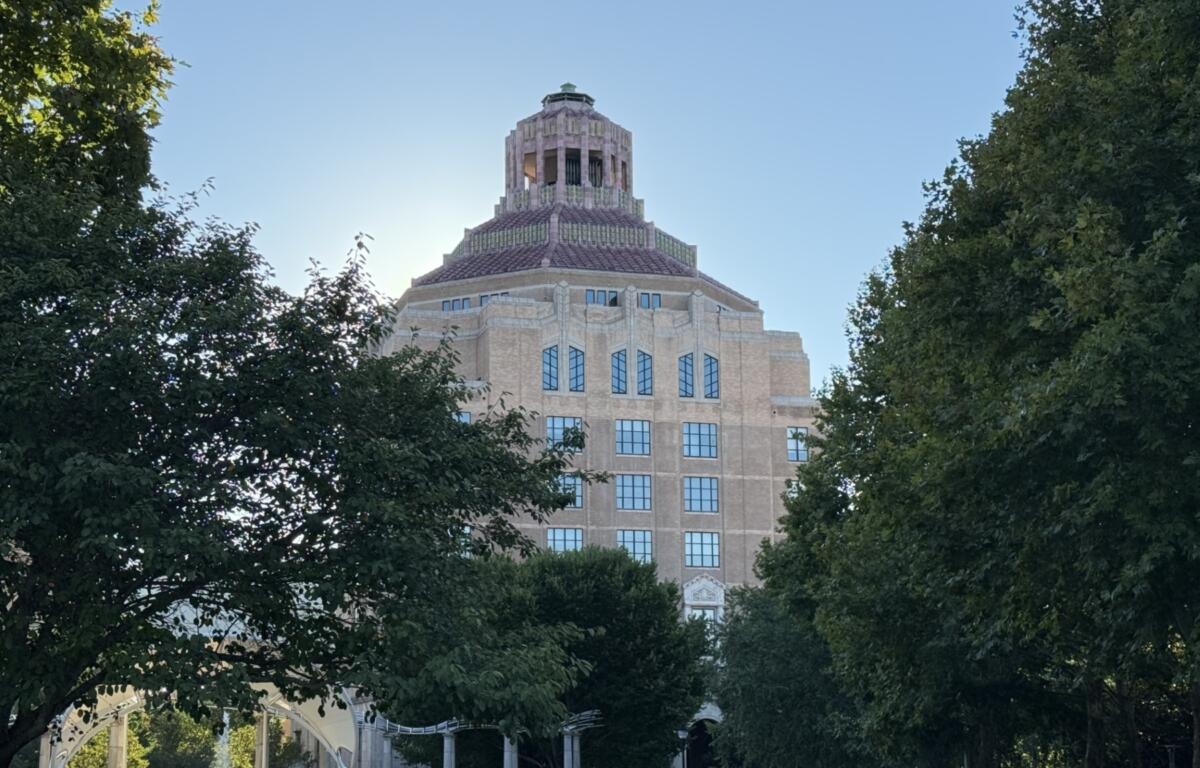

ASHEVILLE, N.C. (828newsNOW) — Residents and city employees delivered pointed and emotional testimony Tuesday night as Asheville City Council held a public hearing on the proposed fiscal year 2026-27 budget, with much of the debate centered on pay for city workers, property tax increases and access to community recreation programs.
Speakers urged council to do more to raise wages for lower-paid employees and address what they described as growing affordability pressures in the city. Several said the proposed 2.8 percent cost-of-living increase for permanent staff does not go far enough, particularly for workers near the city’s lower pay grades.
Some also argued that percentage-based raises widen income gaps by delivering larger dollar increases to higher-paid employees. Others urged council to raise the city’s minimum pay floor to at least $20 per hour and extend adjustments to temporary and seasonal workers who said they often work full-time hours without full benefits.
One city employee told council he has worked as a temporary seasonal worker for months while still working 40-hour weeks, arguing that cost-of-living increases should apply more broadly across job classifications.
Public comment also turned to recreation services, where residents pushed back on potential reductions to weekend hours at community centers, including the Montford Center. Speakers said Saturday closures would disproportionately affect working families, youth programs and seniors who rely on weekend access.
Several residents asked the city to instead work collaboratively on cost-saving alternatives rather than reducing service hours, saying recreation centers provide essential health and community benefits.
Other speakers raised broader concerns about affordability, pointing to rising housing costs, insurance increases and property tax pressures. One commenter criticized repeated tax increases in recent years, while others defended city workers and said maintaining services requires adequate revenue.
City officials have said property taxes remain the city’s largest revenue source, making up roughly 56 percent of the general fund, and noted that North Carolina municipalities have limited alternative revenue tools compared to other states.
Budget staff also reiterated that the proposed plan includes a 2.8 percent cost-of-living adjustment for permanent employees, funding to address existing vacancies in public safety, and no major new programs, reflecting what officials described as an effort to maintain core services while closing an $8.9 million budget gap.
Budget overview
The proposed $275.58 million city budget represents about a 7.5 percent increase over the current fiscal year, with the general fund totaling $187.46 million. City staff said the budget process reduced an initial $30 million shortfall through a combination of spending cuts, fee adjustments and revenue changes, leaving an $8.9 million gap that is addressed primarily through a proposed property tax rate increase, which also supports debt service for voter-approved bonds.
The proposal also includes continued funding for recovery-related capital projects, along with a $7 million contingency reserve within the capital improvement program to cover potential disaster-related costs and funding gaps.
Council is expected to take a final vote on the budget at its June 9 meeting.