


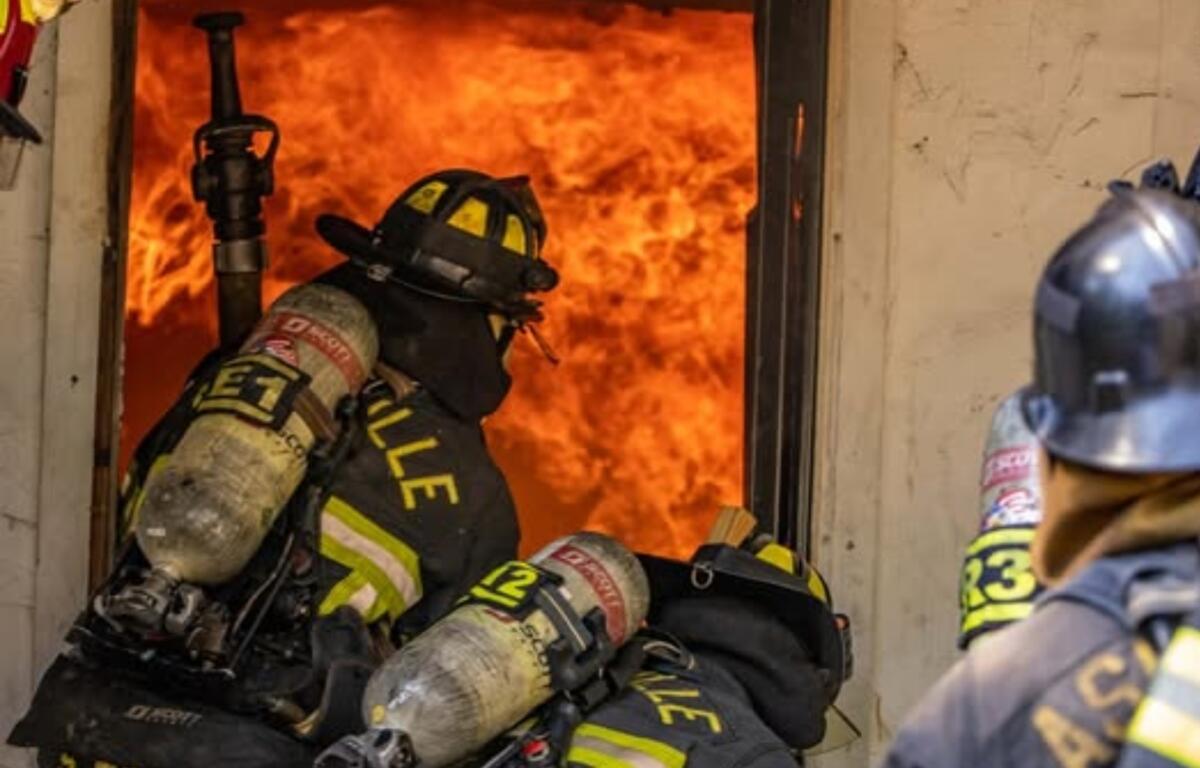

ASHEVILLE, N.C. (828newsNOW) — When Asheville firefighters pull up to a home in crisis, seconds matter — and what happens before they arrive can make a critical difference once they do.
Firefighters are trained to act quickly and decisively to protect lives and property, but officials say homeowners can take simple steps that help crews do their jobs more safely and efficiently during an emergency.
When firefighters arrive at a residence, their first task is to assess the scene and determine what caused the emergency. If there is an immediate threat to life, such as a fire or medical emergency, crews will move quickly toward the home and attempt to gain entry to reach anyone inside.
If no one appears to be home, firefighters will try to contact the homeowner when possible. However, when an emergency is unfolding and entry is required, forced entry may be necessary. While sometimes necessary, forced entry can cause significant damage and delay access to a patient or victim.
The Asheville Fire Department encourages residents to take preventive measures that can reduce those risks. Clear, visible house numbers help crews locate homes faster, while keeping driveways open ensures fire engines and ambulances can get close enough to operate. Maintaining defensible space by removing brush and clutter around a home can also improve safety.
Fire officials also advise residents who are home during an emergency to unlock doors and turn on lights if it is safe to do so, allowing crews quicker access. If entry is still required, firefighters will force their way in as needed.
Another option for homeowners is installing a residential Knox Box, a secure key access system that allows firefighters to enter a home without damaging doors. Officials note that residential Knox Boxes are optional and do not replace the Knox Box requirements mandated for commercial buildings under the North Carolina Fire Code.
Additional safety tips and educational resources are available through the Asheville Fire Department’s fire education programs, which aim to help residents better prepare for emergencies before they happen.