


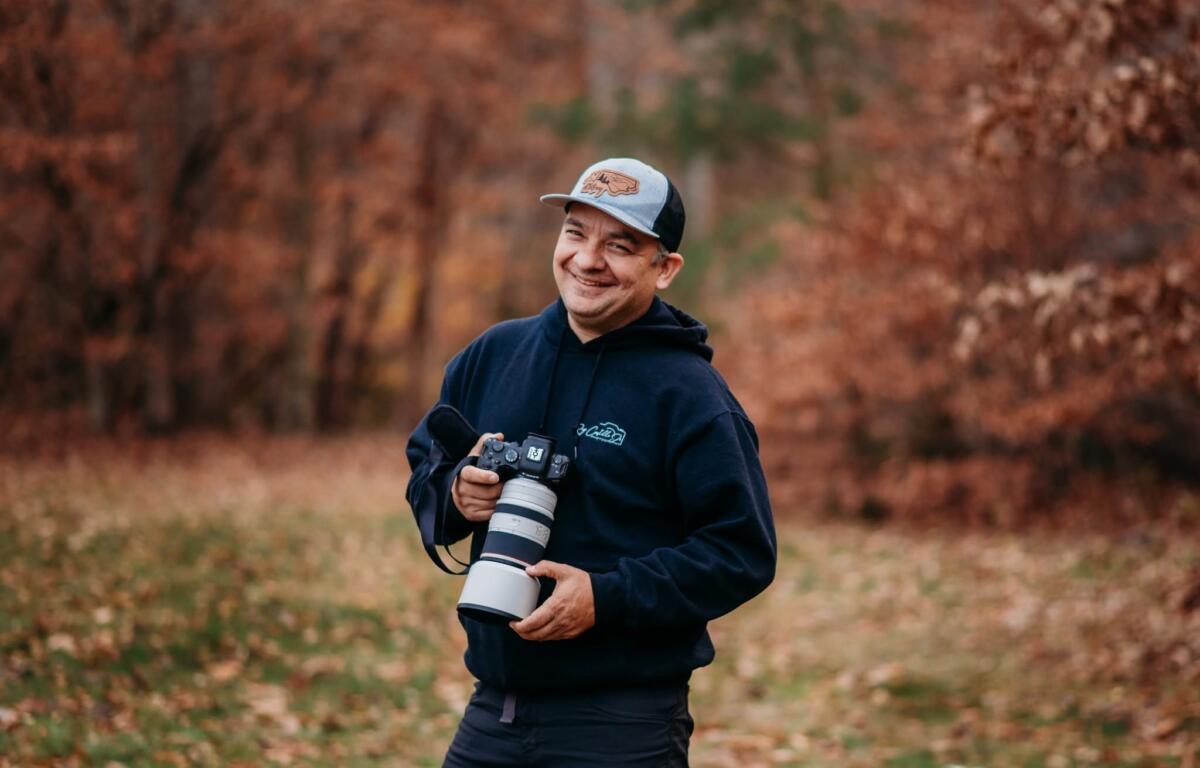

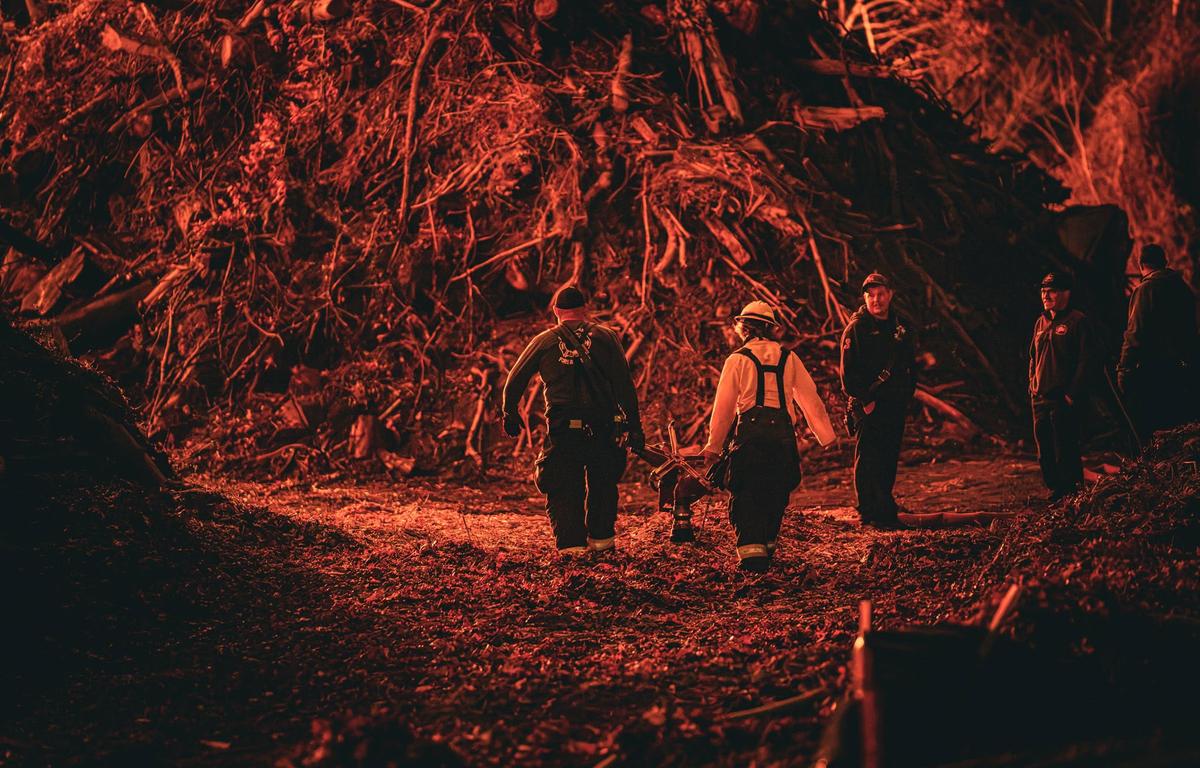
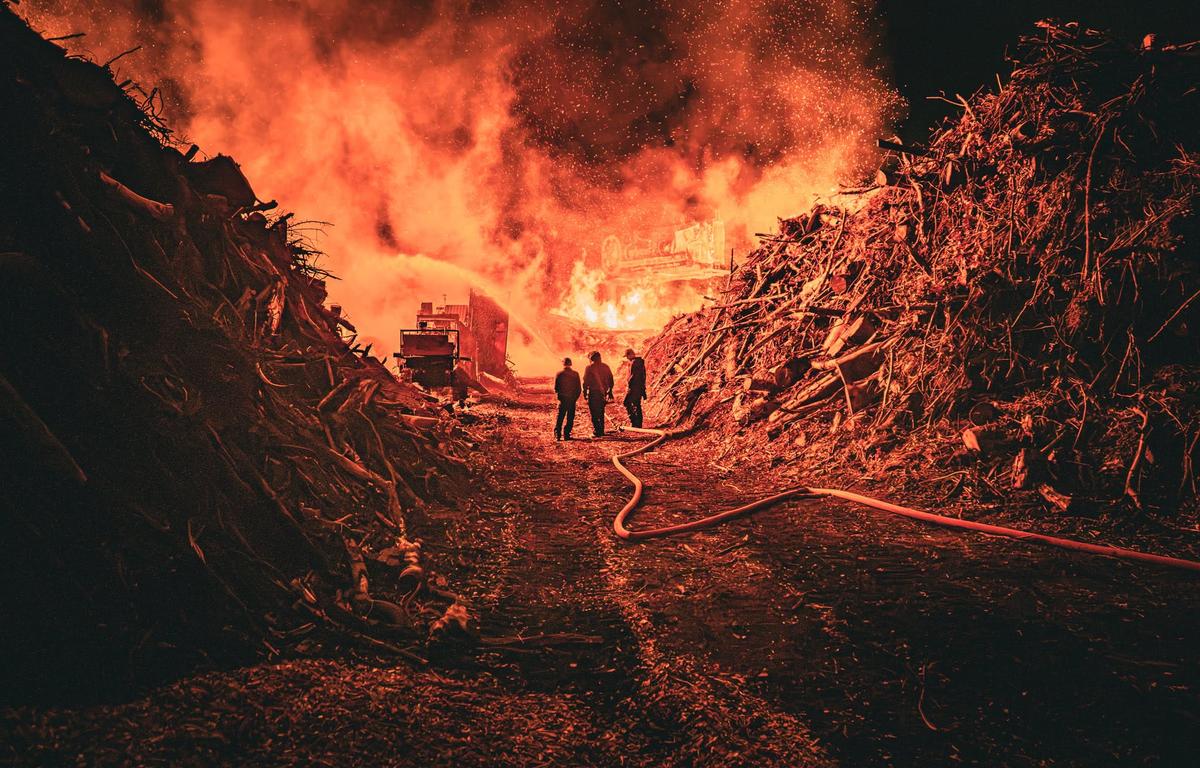
SWANNANOA, N.C. (828NewsNow) — People across Western North Carolina have seen his photos from dramatic scenes, showing firefighters battling fires to save lives.
Meet the man behind the camera — Swannanoa Fire & Rescue’s Rey Castillo, who is deaf. Castillo told 828NewsNOW he has been deaf since he was 5 years old.
“I wasn’t born with the condition I became deaf around age of 5 due to genetics,” he said.
Being deaf presents several challenges in his profession, he said.
“Mostly it’s with radio communication. I cannot always hear radio transmissions clearly, and the environment we work in is often extremely noisy. However, my ability to lip-read, use sign language and teach some of my fellow firefighters basic signs and gestures have helped bridge that communication gap,” he said.
Originally from Hickory, Castillo said he considers Western North Carolina his home, since his grandparents lived in the Asheville area.
“I moved around some growing up but spent most of my time in West Asheville. I attended the North Carolina School for the Deaf, A.C. Reynolds High School and Asheville High School. I’ve lived in the Swannanoa area since 2012,” he said.
He said becoming a firefighter was something he never envisioned doing.
“I joined the Swannanoa Fire Department in the spring of 2025, following Hurricane Helene. I was invited to join as a fire photographer after my extensive photography documenting the devastation across Swannanoa, Bat Cave, Chimney Rock and East Asheville,” he said. “As I became more involved with the department, I completed several training courses that allowed me to participate in frontline operations and serve in a supportive role. It became an opportunity to do more than just document what firefighters do, but also to contribute to their efforts and serve my community.”
He said his first priority is supporting the firefighters, and photography comes second.
“When I arrive on a scene, my first question is always, ‘What can I do to help?’ rather than immediately picking up my camera. I’ve also established my own ethical guidelines for emergency scene photography. I don’t respond to medical calls. I do respond to motor vehicle accidents, but I refrain from taking photographs until the patients have been cleared from the scene,” he said. “Respecting people’s privacy and dignity during their most vulnerable moments is important to me. Accident photography serves a purpose beyond documenting an incident. These images provide firefighters with valuable visual resources to review their operations, analyze situations and develop future training scenarios.”
Castillo said photography wasn’t just about capturing what happened…it can also be an educational tool that helps firefighters prepare for future incidents.
In addition to being a firefighter and a photographer, Castillo is also a teacher in college, he said.
“My professional background is in education. I currently teach American Sign Language full-time at Blue Ridge Community College, where I’ve been since 2020. Much of what I do outside of my teaching career involves community service,” he said.
Castillo said he first got into photography in 2005 through a forensics class in the Criminal Justice program at A-B Tech.
“That’s where I learned the fundamentals of film photography and developing photographs in a darkroom. By 2007, I began photographing local concerts and bands. Over the years, I’ve had opportunities to explore many different types of photography. Fire photography has been particularly interesting but also challenging. Exposure to extreme heat, water, smoke and unpredictable weather conditions require me to be mindful of what my equipment can handle,” he said.
Castillo said most of his camera bodies are water-resistant, not waterproof, and contain plastic components that can be affected by extreme heat.
“I have to be conscious of how close I am to the fire. I also pay for photography equipment insurance and maintain backup equipment in case something happens to my camera.What I enjoy most about photographing my fellow firefighters is being able to show the community what they don’t normally get to see.
“It’s not always about capturing dramatic images of flames. It’s about documenting teamwork, dedication, exhaustion and the sacrifices firefighters make while serving their community. Being deaf, photography is also a way for me to communicate and tell stories without words,” he said. “I want people to look at my photographs and develop a greater understanding and appreciation of what happens behind the scenes in the fire service.”
Overall, Castillo said respecting the people behind the photograph was more important than sharing the photograph itself.
“It’s honor — more than words can say — to document (firefighters) putting their lives for community, training, and willingly to give up their lives for each other,” he said.