


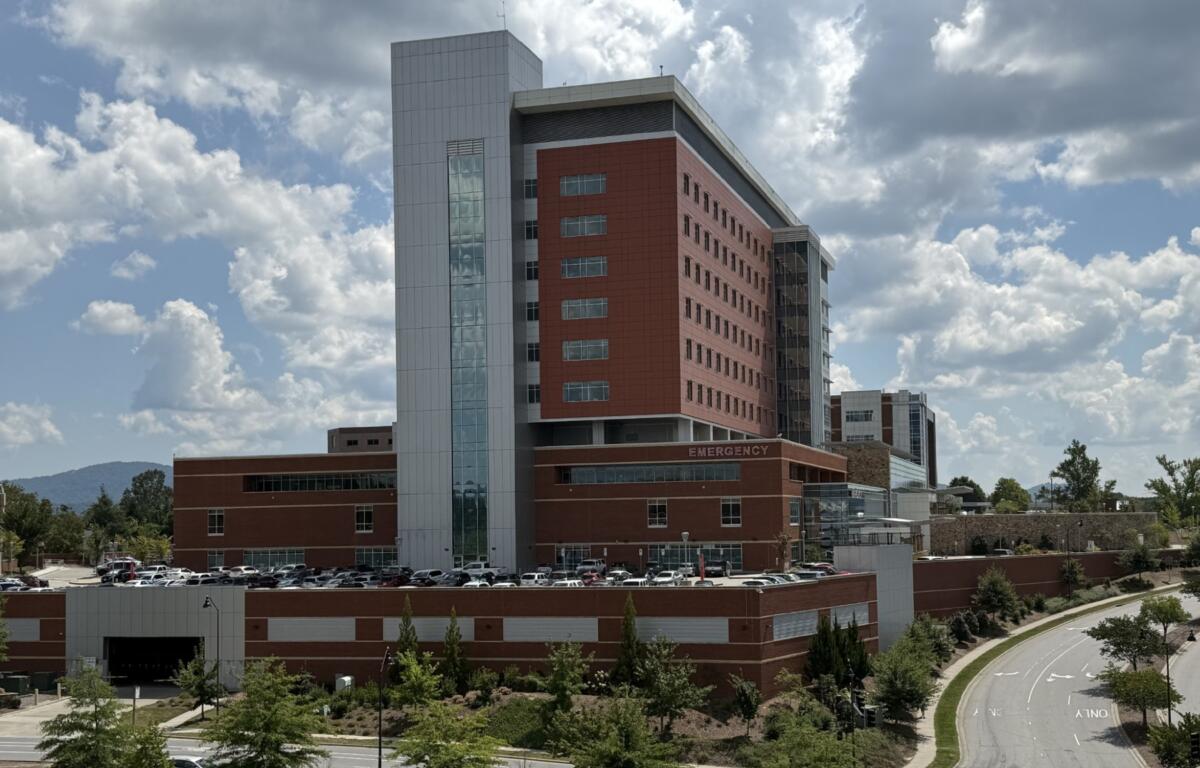

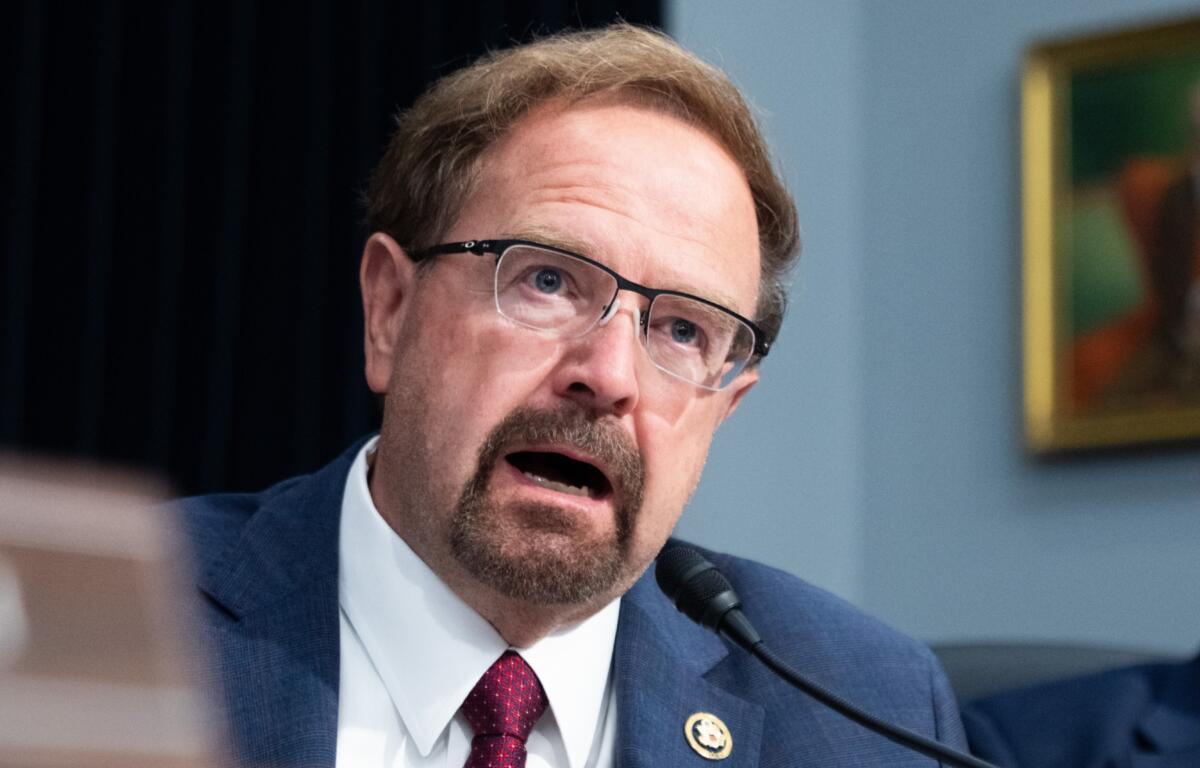
ASHEVILLE, N.C. (828newsNOW) — U.S. Rep. Chuck Edwards has introduced legislation that would give federal regulators a new financial penalty to use against hospitals with repeated patient-safety violations.
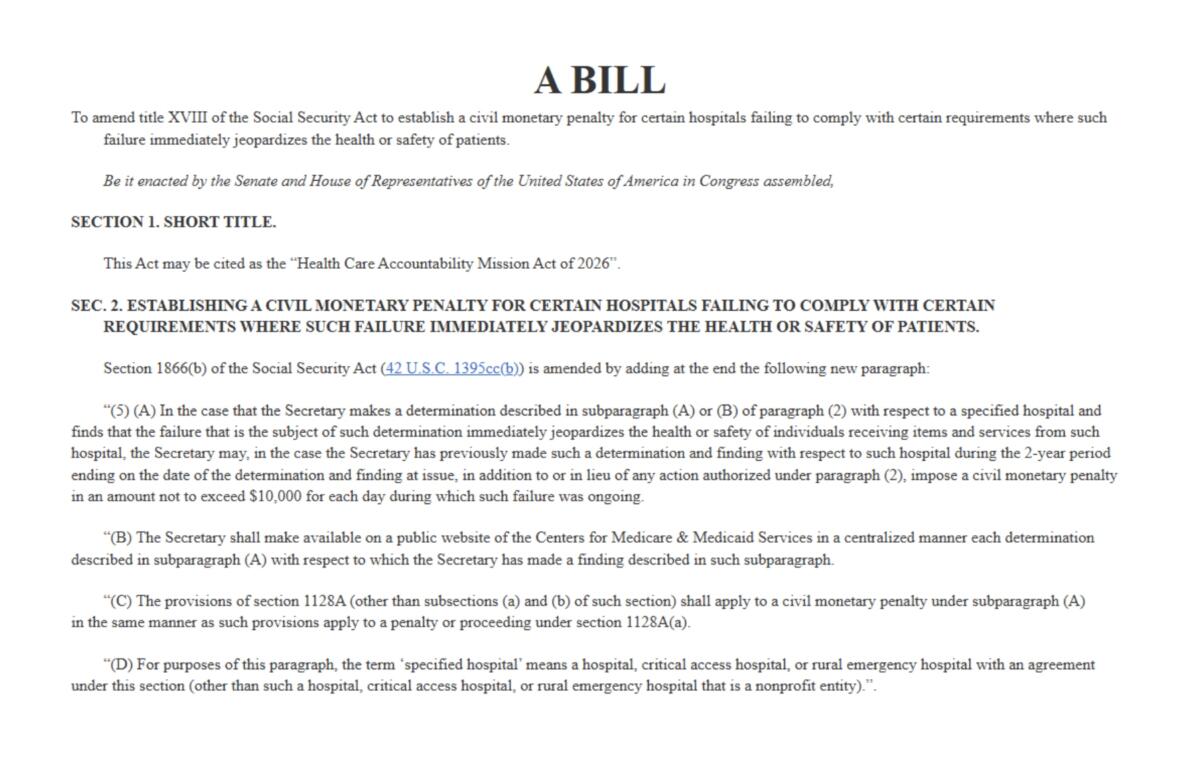
The Health Care Accountability Mission Act of 2026, introduced Sept. 8 as H.R. 10311, would allow the U.S. Department of Health and Human Services to impose a civil penalty of up to $10,000 a day on certain hospitals when a patient-safety violation reaches the level of “immediate jeopardy” and the hospital had a previous immediate-jeopardy finding within the preceding two years.
Asheville Watchdog first reported Edwards’ introduction of the legislation.
The bill was referred to the House Ways and Means Committee. It has not been approved by Congress and is not law.
The legislation applies to hospitals that participate in Medicare, including critical access hospitals and rural emergency hospitals. The bill excludes nonprofit hospitals from the proposed penalties.
According to Asheville Watchdog, Edwards, a Republican who represents North Carolina’s 11th Congressional District, has said the legislation was prompted by repeated federal patient-safety findings involving Asheville’s Mission Hospital, which is owned by HCA Healthcare.
How the bill would work
Under the legislation, CMS could impose the penalty when it determines that a hospital has failed to comply with Medicare requirements in a way that immediately jeopardizes patients’ health or safety.
The penalty would apply when the same hospital had received a qualifying immediate-jeopardy determination within the previous two years.
The bill would give CMS discretion to impose a fine of up to $10,000 for each day the violation continued. The penalty could be imposed in addition to or instead of other enforcement actions already available under Medicare law.
The legislation also would require CMS to maintain a centralized public website listing the relevant determinations.
CMS defines immediate jeopardy as a situation in which a provider’s failure to comply with federal requirements has caused, or is likely to cause, serious injury, harm, impairment or death.
Under current CMS procedures, an immediate-jeopardy finding can trigger a process that could ultimately lead to termination of a hospital’s Medicare agreement if the jeopardy is not removed.
Edwards’ bill would add a financial penalty to that enforcement process for qualifying repeat violations.
Mission Hospital’s history
Mission Hospital has faced multiple immediate-jeopardy findings since HCA Healthcare acquired Mission Health in 2019.
In 2024, CMS placed Mission in immediate jeopardy after a state inspection found problems involving emergency and oncology services that had harmed 18 patients, including four who died, according to federal and state findings.
Mission faced another immediate-jeopardy designation in 2025 after state inspectors found problems including a patient death, unsafe patient transport, patient misidentification and infection-control issues. The federal designation was removed in November after Mission submitted a plan of correction and underwent additional review.
Mission was placed in immediate jeopardy again in January 2026 — the third time in less than two years — after regulators cited deficiencies involving patients’ rights, nursing services and emergency services.
That designation was officially lifted Feb. 9, according to federal officials. Mission, however, remained out of compliance with some Medicare requirements and was given additional time to address those deficiencies.
Immediate jeopardy is CMS’ most serious deficiency designation for violations involving patient health and safety. If the problems are not corrected, a hospital can face termination of its Medicare agreement.
The issue also has been part of the broader debate over hospital competition in Western North Carolina. During a North Carolina Department of Health and Human Services hearing in August, rural leaders and patients raised concerns about Mission and argued that additional hospitals and health care providers could give residents more options. Other speakers defended their experiences at Mission.
What’s next
H.R. 10311 is now before the House Ways and Means Committee.
The legislation would change federal Medicare law if approved by Congress and signed by the president.
For now, the bill would give CMS another potential enforcement tool when a hospital receives qualifying immediate-jeopardy findings more than once within a two-year period.