


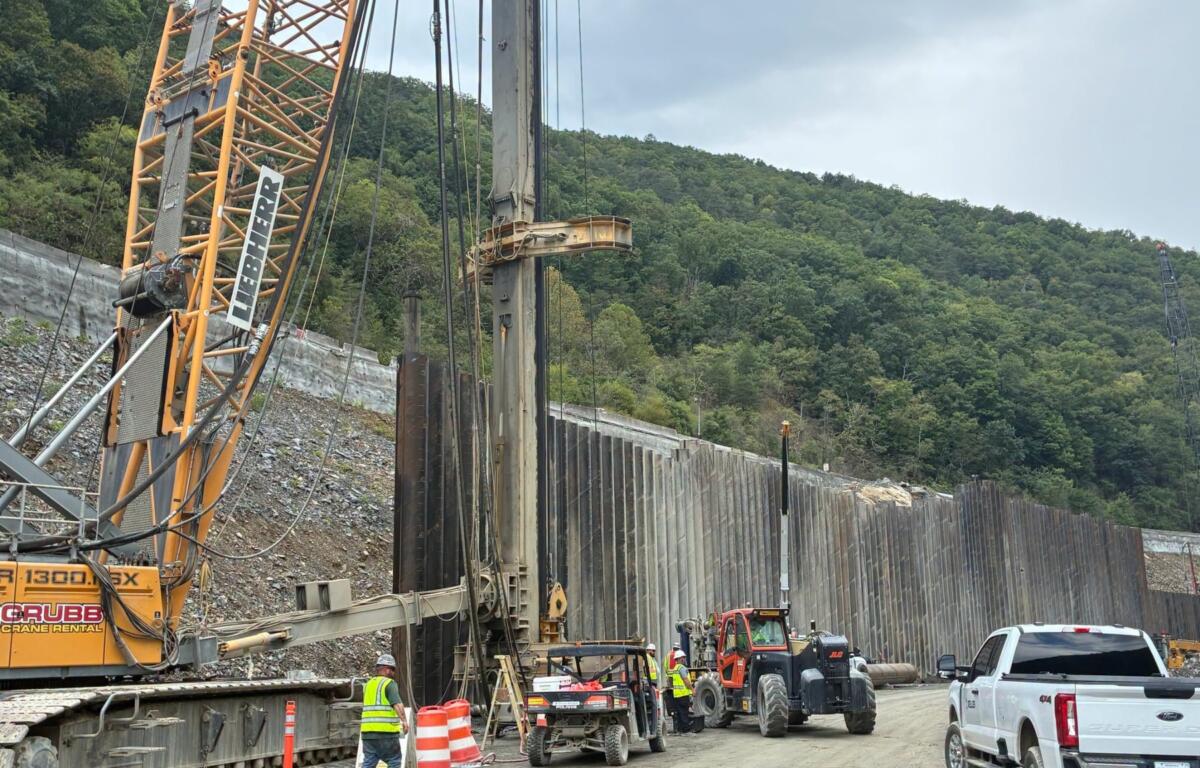

ASHEVILLE, N.C. (828newsNOW) — Nearly two years after Tropical Storm Helene washed away roads, damaged bridges and cut off communities across Western North Carolina, almost 99 percent of the Helene-related road incidents tracked by the N.C. Department of Transportation are now listed as fully open.
As of Sept. 25, NCDOT’s road-reopening dashboard showed 1,601 of 1,618 Helene-related incidents were fully open. Fifteen remained closed and one had partial access.
But open doesn’t always mean repaired.
Some roads are carrying traffic because of temporary fixes while permanent reconstruction continues. And some of the region’s largest and most complicated transportation projects are expected to take years to finish.
Helene damaged nearly 9,500 sites along state-maintained roads and 869 bridges in Western North Carolina after catastrophic flooding and landslides swept through the mountains in September 2024.
By March, NCDOT said 87 percent of those damaged sites had been repaired, nearly 590 bridges had been repaired and 26 had been replaced.
The numbers measure different parts of the recovery. NCDOT’s road-reopening dashboard tracks Helene-related traffic incidents, while the nearly 9,500 figure represents individual damage sites. A road can be open to traffic after temporary repairs while permanent reconstruction is still needed.
I-40 becomes massive rebuilding project
Nowhere is the size of the remaining work more apparent than Interstate 40 through the Pigeon River Gorge near the Tennessee state line.
Helene destroyed or severely damaged about 5 miles of the interstate, leaving NCDOT with a massive reconstruction project along a corridor squeezed between steep mountainsides and the Pigeon River.
NCDOT now estimates rebuilding that stretch will cost about $2.8 billion, up from an approximately $2 billion estimate earlier this year. Four lanes of traffic are expected to be restored by late 2029.
New geotechnical testing is one reason for the higher cost and longer timeline.
Bedrock is exposed in some locations along the roughly five-mile work zone but sits more than 50 feet below the surface in others, according to NCDOT. Engineers found that some bedrock was deeper than earlier testing indicated, requiring longer steel piles to support the rebuilt interstate.
NCDOT has described the work as the largest interstate recovery project in North Carolina history.
And the interstate isn’t simply being put back the way it was. Plans call for reinforced concrete and steel wall systems intended to better protect the highway from the Pigeon River during future extreme flooding.
Years of work remain elsewhere
I-40 is the largest project, but permanent reconstruction continues elsewhere across the mountains.
In Hickory Nut Gorge, crews are rebuilding sections of U.S. 64 and U.S. 74A serving Chimney Rock, Lake Lure, Bat Cave, Gerton and surrounding communities.
Temporary work restored access after Helene, when some communities could initially be reached only on foot. Permanent reconstruction in the gorge is expected to continue into 2029.
Another difficult project is along U.S. 176 between Saluda and Tryon.
NCDOT awarded a $32 million contract in August to reconstruct a 1.1-mile section where Helene damaged 16 locations. In some places, sections of the southbound lane disappeared as the ground gave way toward the North Pacolet River.
The narrow terrain leaves little room for construction while keeping traffic moving, so the road is expected to remain closed during the work. Completion is scheduled for late 2029, with Interstate 26 serving as the detour.
Permanent work also continues on smaller roads and infrastructure throughout Western North Carolina.
In Avery and Watauga counties, temporary repairs made shortly after Helene allowed N.C. 184 and N.C. 105 to remain open after culverts were damaged. Those temporary fixes are being replaced with permanent structures designed to improve water flow and make the roads more resilient to future storms.
Billions in transportation damage
The rebuilding comes with a multibillion-dollar price tag.
As of March, NCDOT estimated total transportation recovery costs from Helene at about $5.8 billion, according to the Governor’s Recovery Office for Western North Carolina.
At that point, NCDOT had spent about $1.46 billion from existing operational funds on Helene recovery. The Federal Highway Administration had authorized $1.9 billion in Emergency Relief Program reimbursements for damage to roads and bridges on the National Highway System.
Those figures came before the latest increase in the projected cost of rebuilding I-40 through the Pigeon River Gorge.
Private roads and bridges part of recovery
The damage wasn’t limited to state-maintained roads.
Helene also destroyed or damaged private roads, bridges and culverts that provide access to homes and businesses across Western North Carolina.
The state created the N.C. Private Road and Bridge Program in 2025 to help property owners repair or replace damaged infrastructure. Priority is given to roads and bridges that provide the only emergency access to occupied homes or serve multiple residences, businesses or recreational facilities.
The program has an authorized budget of $175 million, including $25 million set aside to partially reimburse homeowners and homeowners associations for qualifying repairs they paid for themselves.
N.C. Emergency Management says all on-site assessments have been completed and dozens of projects have either been finished or are underway. More than 70 firms have been retained to assist with engineering, construction and other work.
Open, but recovery isn’t over
The Sept. 25 dashboard offers a much different picture from the days after Helene, when washed-out roads and bridges left some mountain communities isolated.
Of the 1,618 Helene-related road incidents tracked by NCDOT, 98.95 percent are now listed as fully open.
But some of what drivers see today is the result of temporary work rather than the end of reconstruction.
Permanent work on I-40, U.S. 176 and other mountain roads is expected to continue for years. In some places, that means more than replacing what washed away.
NCDOT is rebuilding roads, bridges, retaining walls and drainage systems with the next major storm in mind.