
ASHEVILLE, N.C. (828newsNOW) — As homeowners across Western North Carolina prepare their landscapes for the summer, mulch is often one of the first items on the to-do list. But not all mulch is created equal, and choosing the right type can make a significant difference in plant health, appearance and long-term maintenance.
To help homeowners make informed decisions, we spoke with Mark Gould, owner of Carolina Mulch Plus and 2026 president of the Builders Association of the Blue Ridge Mountains. Here, Gould breaks down what to consider before placing your next mulch order.
Choose mulch that does more than look good
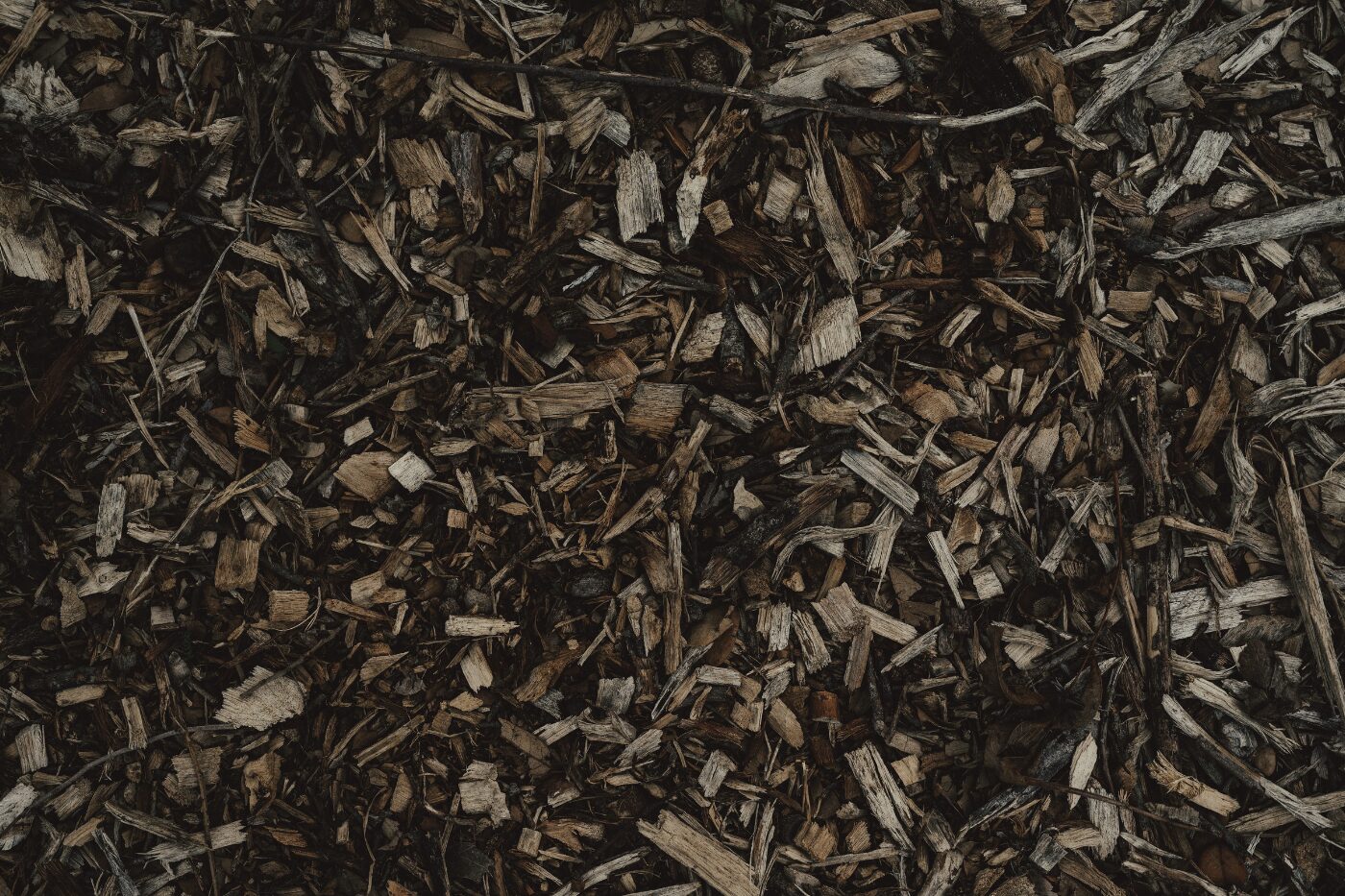
Unfortunately, not all mulch is created equal. Some products are made from ground-up pallets, brush or mixed wood debris, which can vary in quality and may break down unevenly over time.
Carolina Mulch Plus focuses exclusively on bark-based mulches, which are processed specifically for landscape use.
“Bark mulch generally contains less than 15% wood fiber, which helps reduce the risk of attracting pests such as termites and ants,” says Gould. “It also avoids the unknown contaminants often found in mulches made from stump dumps, wood chips, or storm debris.”
Bark mulch can also support long-term soil health. As it naturally breaks down, it adds organic matter back into the ground, helping the soil retain moisture, regulate temperature and support stronger root systems. That slow decomposition is what turns mulch from a short-term cosmetic fix into a long-term investment in your landscape.
Match your mulch to your yard
Once you’ve narrowed in on quality, the next step is choosing the right type of mulch for your specific landscape.
Two of the most common options for mulch are double-ground pine and double-ground hardwood. While pine bark mulch is popular for its natural look and lighter texture, it can be more prone to washing away on slopes and is often best suited for flatter beds or areas with minimal runoff.
Some homeowners also opt for dyed mulch to achieve a bold, consistent color that lasts longer through the season. Carolina Mulch Plus offers brown, black and red dyed options, but Gould emphasizes that color shouldn’t come at the expense of quality.
“If you choose a dyed option, it’s still important to ensure it is made from quality bark material,” he says. “Lower-quality dyed mulches are sometimes produced from pallet wood or brush, which may not provide the same benefits.”
Know how much mulch to order
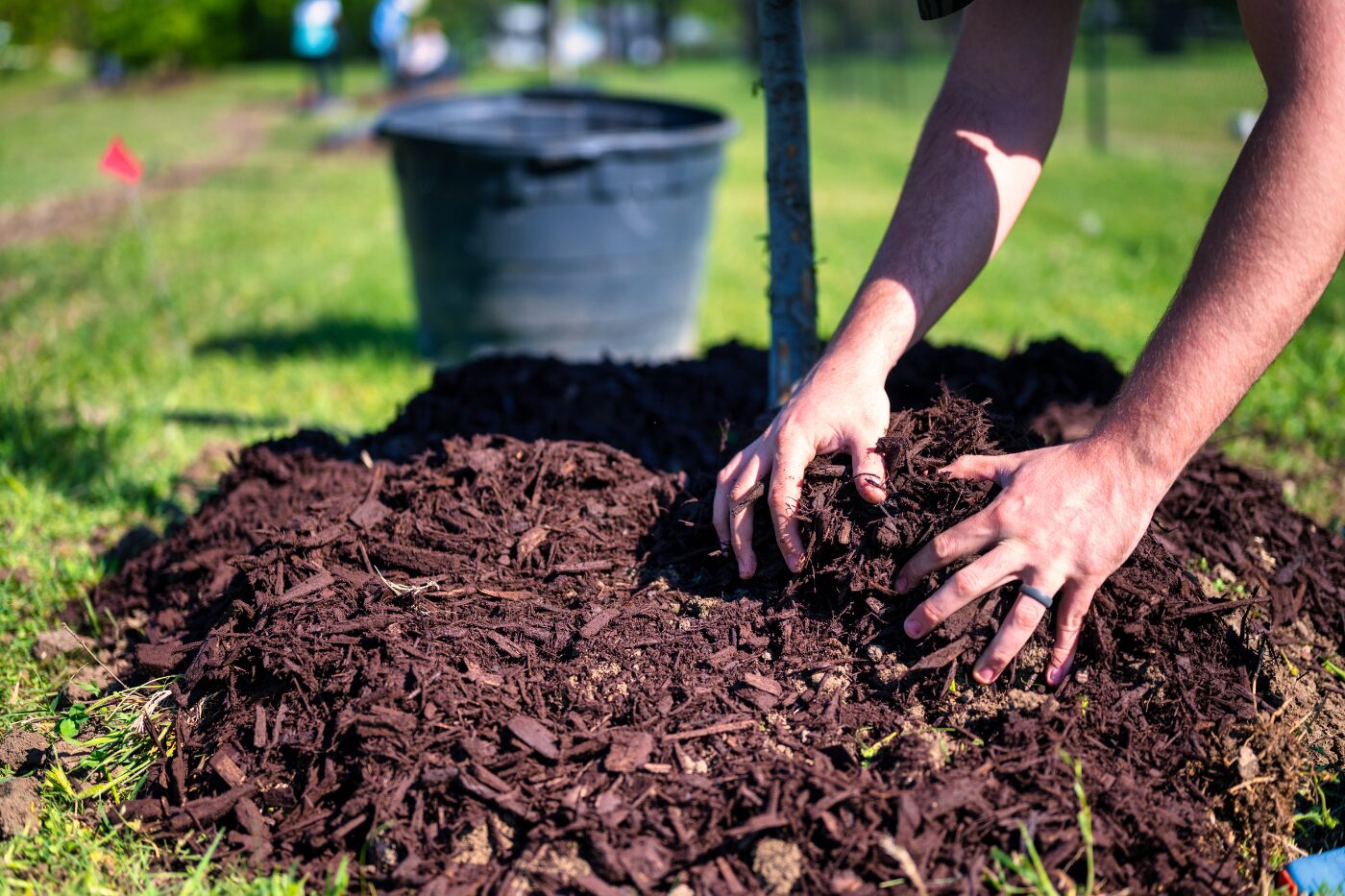
One of the most common questions homeowners have is how much mulch they actually need, and the answer depends on a few key factors. Whether you’re starting from scratch or refreshing an existing bed will affect how much material is required, as will the depth you plan to apply.
In most cases, mulch should be applied at a depth of two to three inches. This provides enough coverage to retain moisture, regulate soil temperature and suppress weeds without overwhelming plants.
As a general guideline, one cubic yard of mulch will cover:
- About 160 square feet at 2 inches deep
- About 120 square feet at 3 inches deep
- About 80 square feet at 4 inches deep
Prep your beds before you mulch
Mulch performs best when it’s applied to a well-prepared bed. In Western North Carolina, Gould recommends mulching in early spring or fall to help retain moisture, regulate soil temperature and protect plant roots.
Before installing mulch, take time to:
- Remove weeds thoroughly
- Define, or edge, your beds
- Loosen compacted soil
- Add compost or soil amendments, if needed
- Skip landscaping fabric, which can limit water and nutrients reaching the soil
It’s also important to apply mulch carefully around plants. Because mulch contains natural tannins, it can affect young or newly planted flowers and shrubs if applied too close.
“To avoid issues, keep mulch below the leaves and away from direct contact with stems,” Gould says. “It also helps to water the mulch after installation, or let a good rain wash through it.”
Get the right materials, right when you need them
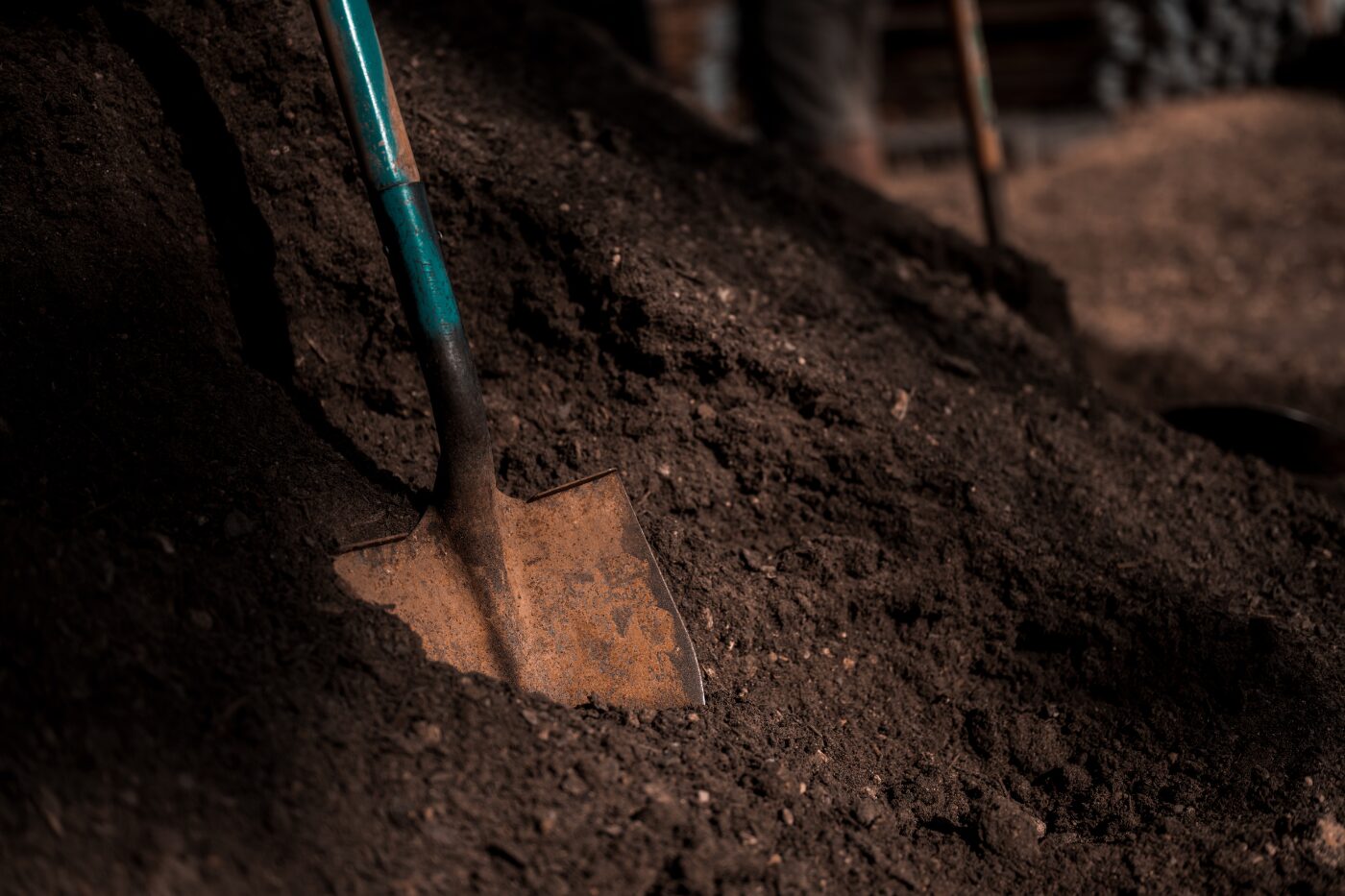
For homeowners ready to refresh their landscape beds this season, Carolina Mulch Plus offers bulk mulch, soil, stone and more, with convenient pickup and delivery options throughout Western North Carolina and Upstate South Carolina.
With multiple locations in Fletcher, East Flat Rock, Brevard, Greer and Spindale, it’s easy to find a yard nearby and get the materials you need without the guesswork. Their team can help you choose the right mulch and load up exactly what your project calls for.
Visit CarolinaMulchPlus.com to explore products, find your nearest location, or plan your order.
More help for your home starts here
Looking for more home professionals? The Builders Association of the Blue Ridge Mountains represents more than 1,300 members across Western North Carolina, making it a great place to find vetted experts for everything from HVAC to remodeling. Explore the directory to connect with local pros.