



ASHEVILLE, N.C. (828newsNOW) — North Carolina Attorney General Jeff Jackson is urging state utility regulators to reject most of Duke Energy Progress’ proposed 15% rate increase, arguing the request would saddle customers with nearly $960 million in unnecessary costs over the next two years.
Duke Energy Progress serves customers across eastern North Carolina, including parts of Buncombe County and the Asheville area.
Jackson filed testimony Wednesday with the North Carolina Utilities Commission challenging the utility’s request to raise rates by about 15 percent.
“When we pushed back against Duke’s last rate hike, they lowered their request,” Jackson said in a statement. “Now Duke wants families in eastern North Carolina to pay 15 percent more, and we’re pushing back again. Our experts found that Duke can make the investments it needs while charging families far less. That’s the result we’re fighting for.”
Jackson’s filing focuses on three main issues.
First, the attorney general argues Duke Energy Progress should not receive its requested 10.95 percent return on equity — the profit level utilities are allowed to earn for shareholders. Instead, Jackson’s office recommends a 7.4 percent return, saying the company could still make needed investments while saving customers about $960 million over the next two years.
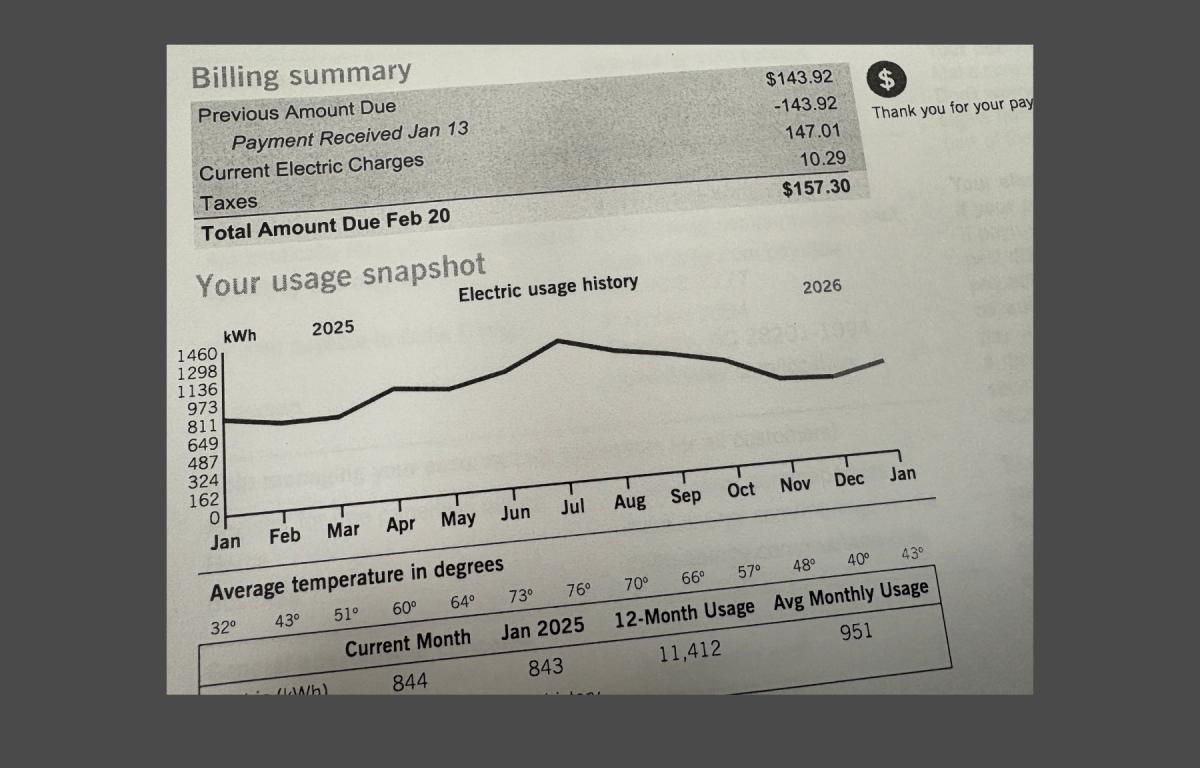
According to the attorney general’s office, the average Duke Energy Progress residential customer now pays about $165 a month, including about $21.50 that goes toward shareholder profits. Under Duke’s proposal, the average monthly bill would climb to about $195 by 2028, with about $41 of each bill — roughly 21 percent — going toward shareholder profits.
Jackson’s office estimates its recommended return on equity would save the average residential customer about $420 over two years.
The attorney general also urged regulators to create a separate rate class for data centers and other large energy users, arguing those customers place greater demands on the electric grid and are driving the need for additional power generation. He said those costs should not be shifted primarily onto residential customers and small businesses.
In addition, Jackson recommended Duke Energy Progress give its largest customers, including data centers, more opportunities to generate their own electricity, which his office said could reduce costs for other ratepayers.
Duke Energy says the proposed increase would pay for investments to improve grid reliability, replace aging infrastructure, strengthen the electric system against severe weather and meet growing demand for electricity across North Carolina.
The utility estimates a typical residential customer using 1,000 kilowatt-hours of electricity each month would see bills increase by about $18 a month beginning in 2027 and another $9 a month in 2028, for a total monthly increase of about $27 if regulators approve the request as filed.
Jackson’s testimony is one part of the evidence the North Carolina Utilities Commission will consider alongside testimony from Duke Energy, the Public Staff and other parties before hearings begin Aug. 4.
Regulators are expected to issue a decision this fall. If approved, the new rates would begin taking effect Jan. 1, 2027.
The case follows another Duke Energy rate dispute earlier this year involving Duke Energy Carolinas. After objections from Jackson’s office and other parties, the company reduced its original residential rate increase request before regulators approved a smaller increase.
If Duke Energy responds to Jackson’s testimony before publication, adding a brief response or updated statement from the company would further strengthen the balance of the story.