


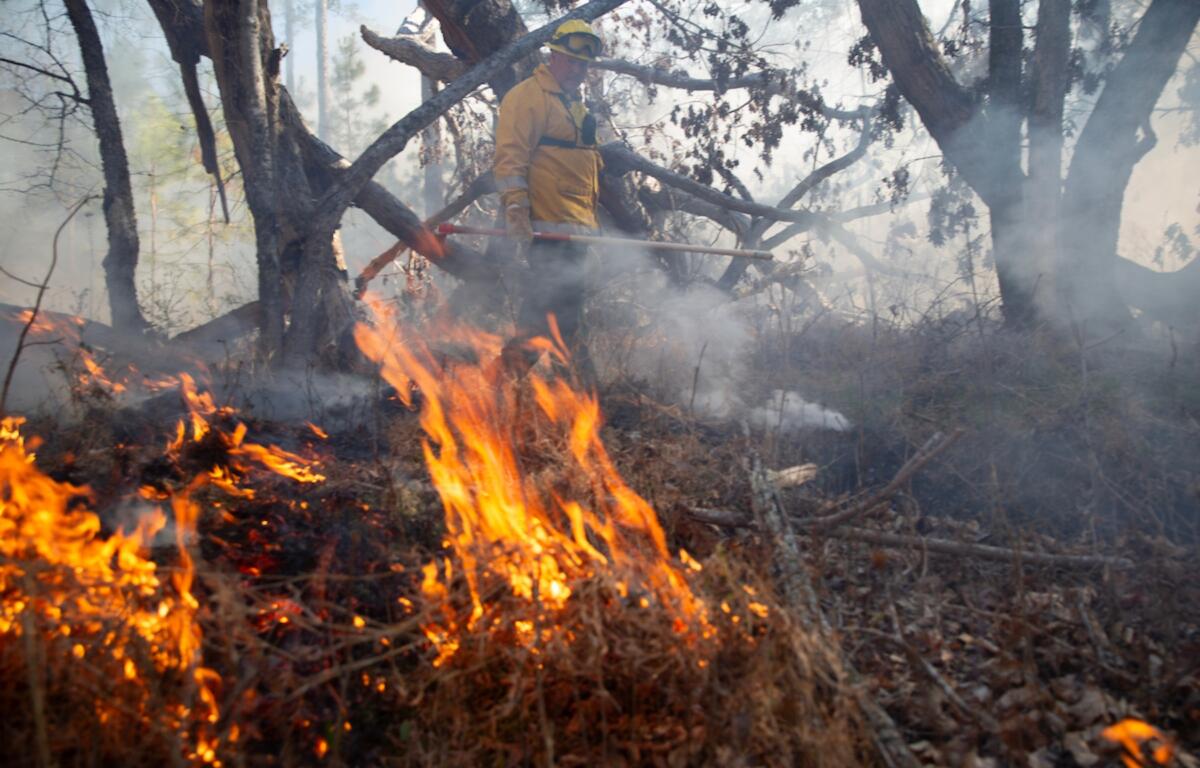

ASHEVILLE, N.C. (828newsNOW) — State wildlife officials say residents may see smoke on North Carolina game lands through the summer as prescribed burning continues to manage habitat and reduce wildfire risk.
The N.C. Wildlife Resources Commission advises the public to check its online Prescribed Burns Dashboard to determine whether smoke is from a planned burn.
Most prescribed burns on game lands take place between January and March, when cooler, more humid conditions and lighter winds allow for low-intensity fires, said Casey Phillips, the agency’s forestry program leader. However, burns may continue into spring and summer when conditions support specific habitat goals.
The agency conducts about 200 to 300 prescribed burns annually across 20,000 to 30,000 acres of the state’s roughly 2 million acres of game lands. Officials say prescribed fire is one of the most effective and cost-efficient methods for maintaining and restoring wildlife habitat.
Prescribed burns help reduce hazardous fuels such as leaf litter and pine straw, lowering the risk of more severe wildfires. They also improve biodiversity and promote the growth of native grasses and plants that provide food and cover for wildlife.
Some species in North Carolina, including the red-cockaded woodpecker and Venus flytrap, depend on fire-maintained habitats. Wildlife officials say regular burning helps sustain those ecosystems and benefits species such as quail, deer, wild turkeys and grassland birds.
The agency said it occasionally receives concerns about wildlife during burns, particularly during spring hunting seasons. Officials say animals are adapted to fire and that crews use techniques designed to allow them to escape safely. Vegetation typically begins to regrow within weeks, drawing wildlife back to burned areas.
Officials urge anyone unsure whether a fire is controlled to call 911.
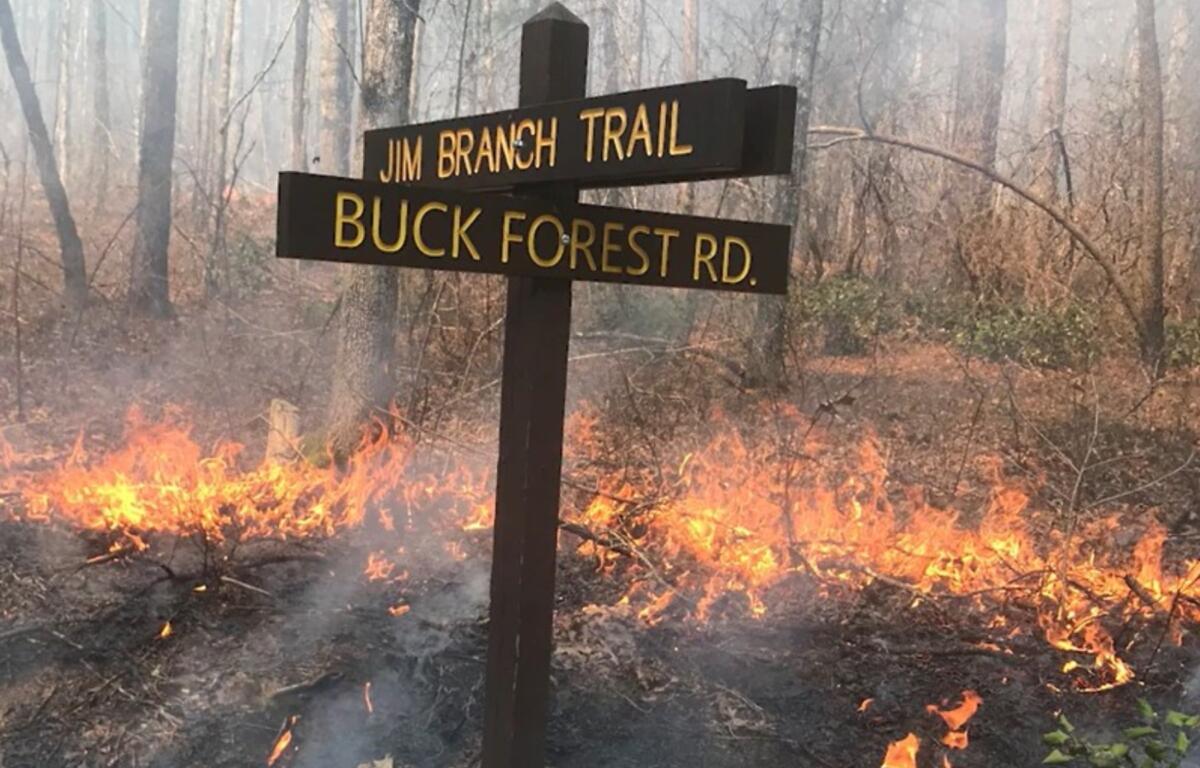
In Western North Carolina, prescribed burns are also used on state forest lands such as DuPont State Recreational Forest, where forest managers say fire plays a critical role in maintaining healthy ecosystems.
Mike Santucci, assistant forest supervisor at DuPont, said prescribed burning supports forest health by increasing plant and animal diversity and helping fire-adapted species thrive. He said many forests in the southern Appalachian region evolved with fire and can become less resilient when it is excluded.
Santucci said planning for a prescribed burn can take months and includes evaluating fuel loads, identifying hazards and developing a detailed burn plan. Crews monitor weather conditions closely and conduct burns only when conditions meet specific safety and ecological criteria.
He said trained crews use specialized equipment and follow strict procedures to control fires, minimize smoke impacts and protect nearby communities and popular recreation areas.
Officials say prescribed fire differs from wildfire in that it is carefully planned, conducted under controlled conditions and designed to meet specific land management objectives.
“The objectives are to keep firefighters and people safe, save their homes and so forth versus resource objectives,” Santucci said.