


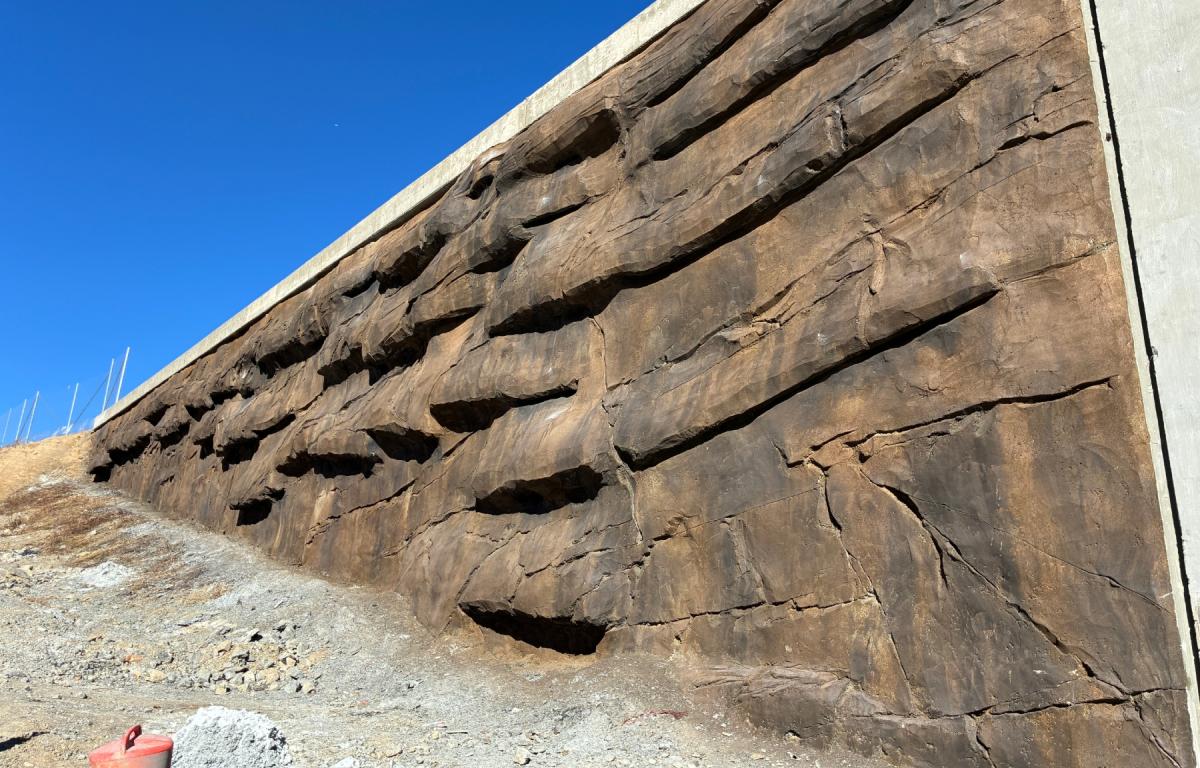

ASHEVILLE, N.C. (828newsNOW) — Construction crews rebuilding a bridge in the Pigeon River Gorge are doing more than improving a major Interstate 40 crossing. They are also creating new habitat for bats — including endangered species — in a first-of-its-kind project in North Carolina.
At Exit 15 along I-40, the replacement of the aging bridge over the Pigeon River prompted concerns from wildlife officials after bats were observed roosting in the existing structure. The new bridge design, however, would not provide the same crevices and shelter bats had relied on.
“To replace that lost habitat, we needed to give the bats somewhere else to go,” said Holland Youngman, of the U.S. Fish and Wildlife Service.
The solution took shape in an unexpected way. North Carolina Department of Transportation resident engineer Kenny McCourt said the idea struck him at home while watching television with his young daughter.
“We were actually sitting around the kitchen table watching Animal Planet,” McCourt said. “I was sketching ideas on how to take the habitat off the bridge, and it hit me.”
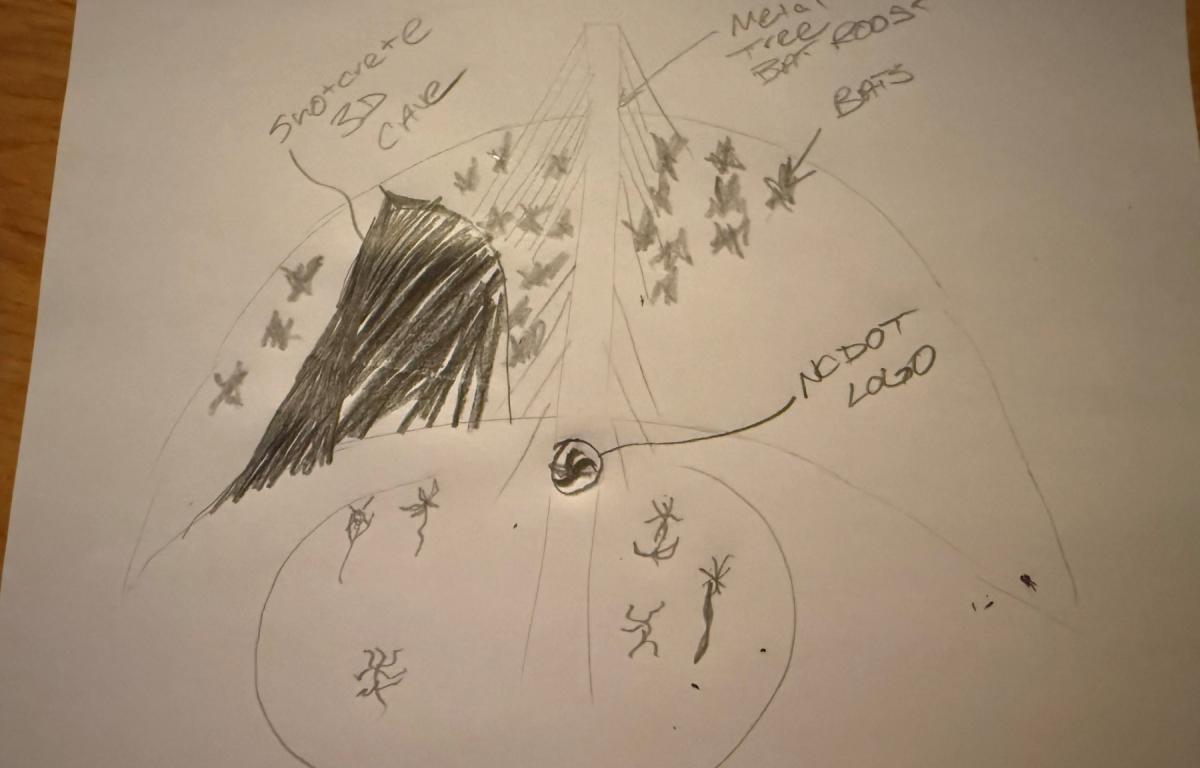
McCourt realized a planned 25-foot-high retaining wall, constructed with a natural-looking “boulderscape” finish, could be adapted to include built-in bat roosts. The approach was quicker, more cost-effective and blended into the surrounding landscape.
Wildlife experts and engineers soon began collaborating to design roosting spaces tailored to different bat species. The wall now includes crevices of varying sizes, along with features such as vents and drainage holes, to accommodate a range of roosting preferences.
“We really tried to think through what bats would actually use,” wildlife diversity biologist Katherine Etchison said. “So what size crevices? We’ve got little ones all the way up to big ones. We’ve got some with drain hole-type features in there. We’ve got some with vents, some without.”
The design also accounts for how bats enter and exit their roosts. Research showed ideal drop heights range from 15 to 25 feet, a match for the height of the retaining wall.
“That gives us a chance to try different heights and locations,” McCourt said. “In the future, we may be able to really dial in these bat habitats and give the bats somewhere they can really thrive.”
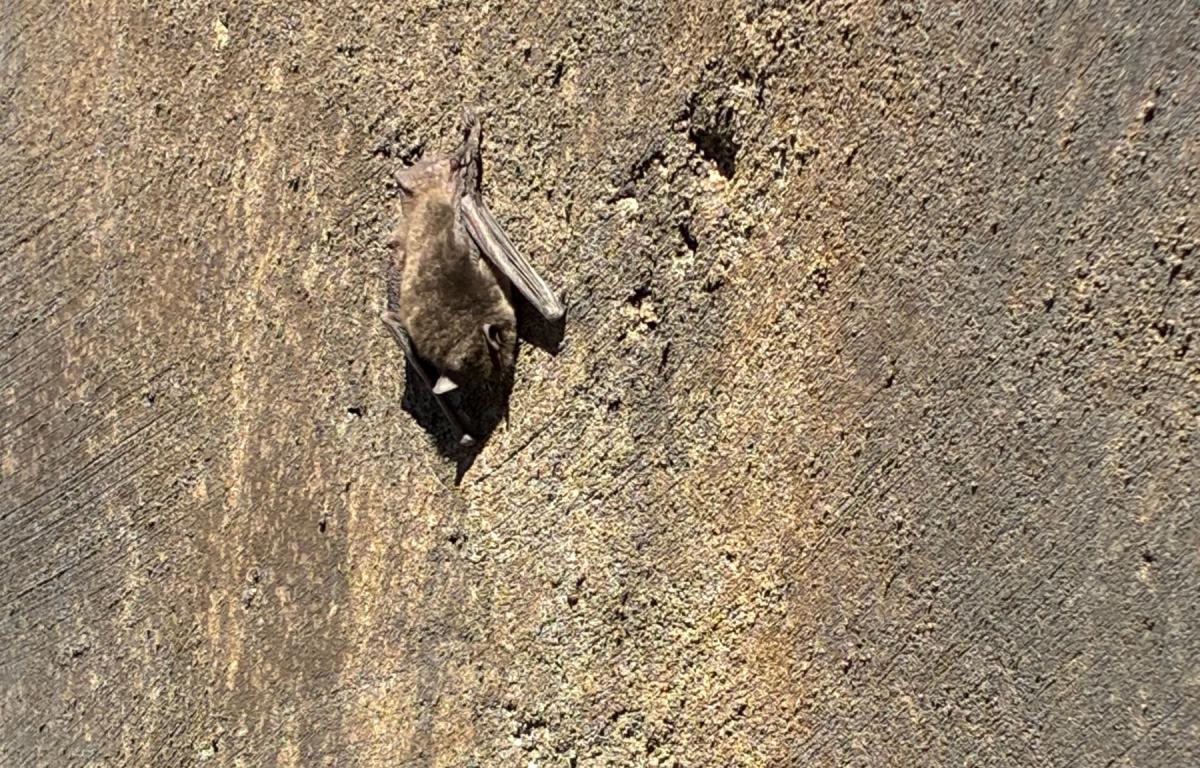
The project brought together engineers, contractors, the U.S. Fish and Wildlife Service, the North Carolina Wildlife Resources Commission and other partners. Among the species expected to benefit is the endangered gray bat.
Etchison described the effort as a model for collaboration.
“This has been a phenomenal collaboration just to make sure we’re all on the same page and that we can all brainstorm and give ideas about how this should go together,” she said.
For McCourt, the project reflects what can happen when agencies are willing to think beyond traditional solutions.
“With such a outside-the-box idea like this, it took a lot of different groups bringing their expertise to the table,” he said.
As traffic continues to move through the gorge, officials hope bats will soon be settling into their new home — an innovation taking flight in more ways than one.