
ASHEVILLE, N.C. (828newsNOW) — In advance of the 98th Academy Awards next month, take a deeper look at three lesser-seen films up for Oscar gold: “Cutting Through Rocks,” a hopeful feminist documentary, “Kokuho,” an epic Japanese drama, and “Sirāt,” a weird, hypnotic road movie.
“CUTTING THROUGH ROCKS” (2025, 95 min., directed by Mohammad Reza Eyni and Sara Khaki)
Oscar nomination: Best Documentary Feature
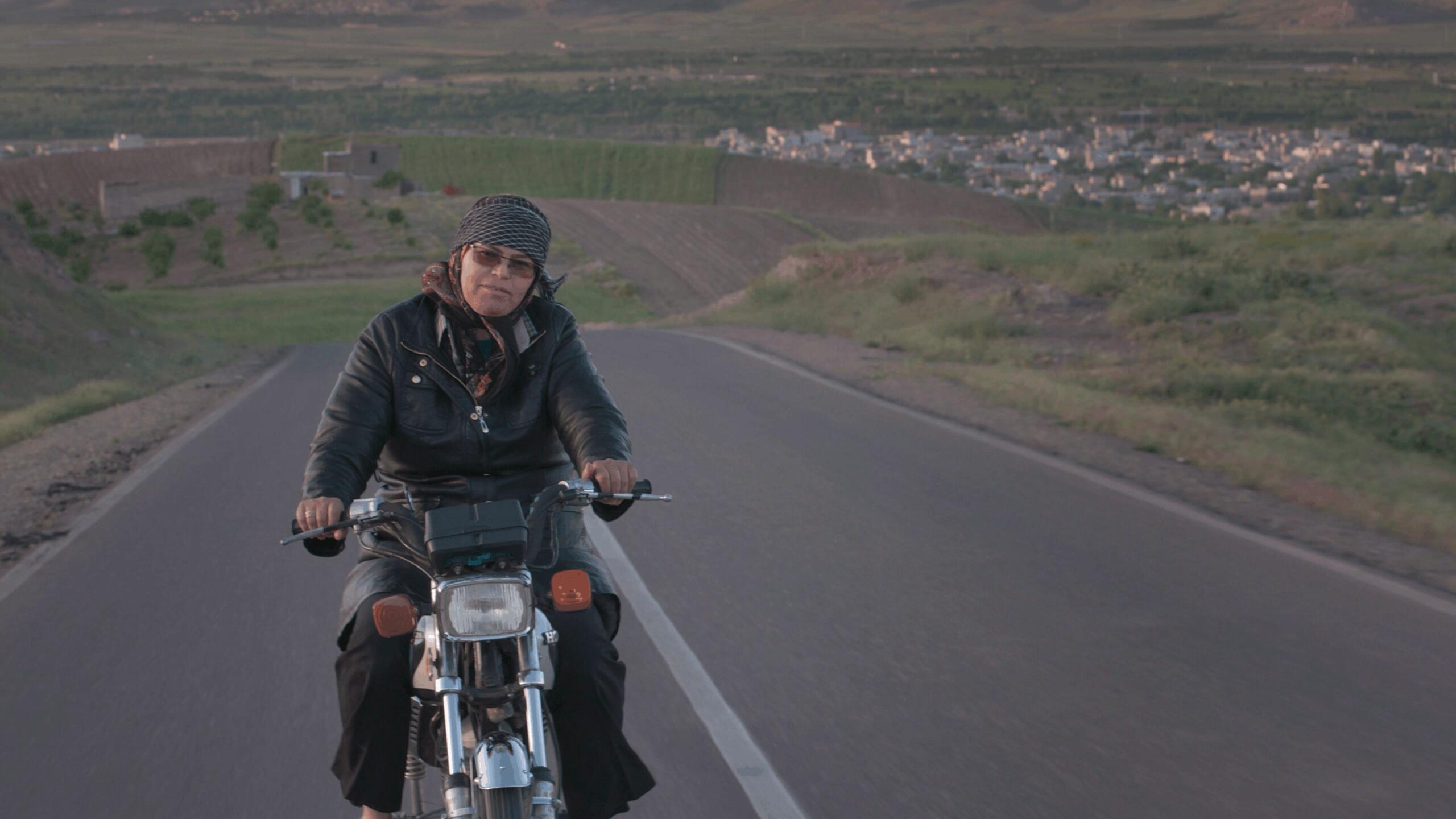
One has to be a rock to cut through the stone of tradition. In “Cutting Through Rocks,” Mohammadreza Eyni and Sara Khaki’s fantastic documentary, Sara Shahverdi is tasked with just that.
The film chronicles Shahverdi’s efforts to become the first woman elected to town council in her Iranian village, and the subsequent challenges the office presents. Shahverdi, a 37-year-old, motorcycle-riding former midwife with a blunt, direct manner of speaking, is the perfect subject for this kind of intimate documentary. She is endlessly fascinating to watch and easy to root for, which is fortunate, because with the amount of hardship she is forced to endure, she needs the support.
“Cutting Through Rocks” was directed, produced, shot and edited by Eyni and Khaki in their feature film debut, a major accomplishment. It’s hard to believe when Eyni and Khaki already have such an expert feel for their craft. Though the duo spent seven years in Shahverdi’s community, the movie is a scant 95 minutes, so well-paced, the runtime flies by as fast as Shahverdi on her chopper. There isn’t a moment which lingers too long. The filmmakers adopted an invisible, fly-on-the-wall style for the movie, giving Shahverdi the reins to tell her story through her own actions.
That said, the film is not without its flashy flourishes. Alternately cast in golden light, tight close-ups or sweeping vistas, “Cutting Through Rocks” is a handsome looking flick. In the press notes for the film, Eyni, who served as cinematographer on the project, described his process.
“As a cinematographer, I spent hours walking through the village — studying the light and people, taking many photographs, until it felt right to turn on the camera,” Eyni said. “This immersion allowed me to be patient and respectful, and to capture images that reflect both the intimacy of the community and the strength of Shahverdi’s struggle.”
The result is utterly cinematic.
The best example of the tenderness Eyni and Khaki reveal with their camera are moments captured between Shahverdi and Fereshte, a young woman who becomes her ward. Shahverdi is an advocate for women seeking education, a goal often derailed by child marriage in Iran. In Shahverdi’s region of the country, women as young as 11 are sometimes married off to much older men, sacrificing school and a career to become an early housewife. Fereshte was married at 12, and comes to live with her mentor while seeking a divorce at 16. The documentary captures her difficulty obtaining one as a prime example of the cultural norms Shahverdi is seeking to change.
Despite the frustrations and agonies of misogyny Shahverdi and her followers encounter over and over again, “Cutting Through Rocks” feels far from hopeless. Instead, the movie radiates hope in the face of suffering, a Shahverdi superpower in life and on camera.
Though a portrait of a single politician, “Cutting Through Rocks” is better observed as a full-blown tapestry of Iranian culture, lifestyle and gender dynamics, sometimes literally. Throughout the documentary, Fereshte is shown weaving a picture of a young woman on a horse. The tapestry, which is finished by the end of the film, makes for a profound metaphor of the young woman making herself in the image of her mentor. After all, the picture has a resemblance to Shahverdi. Just trade the horse for a motorcycle.
Rating: 4.5/5
“KOKUHO” (2025, 174 min., directed by Sang-il Lee)
Oscar nomination: Best Makeup and Hairstyling
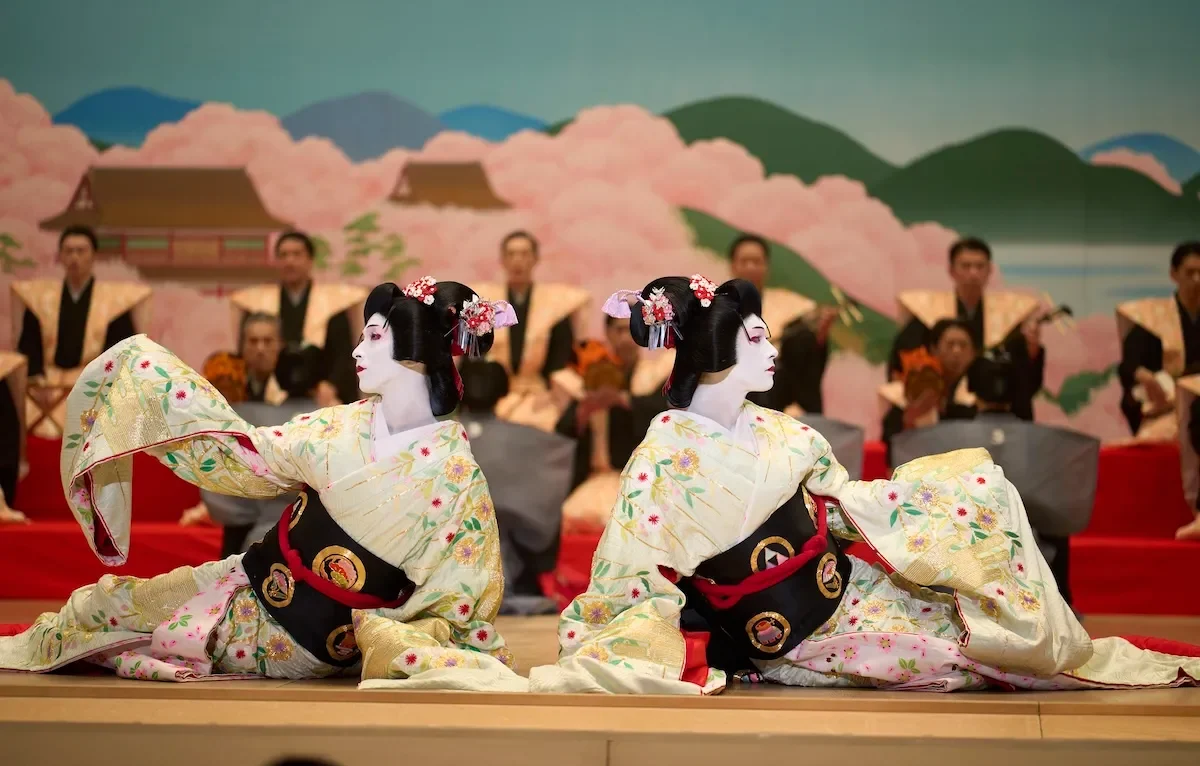
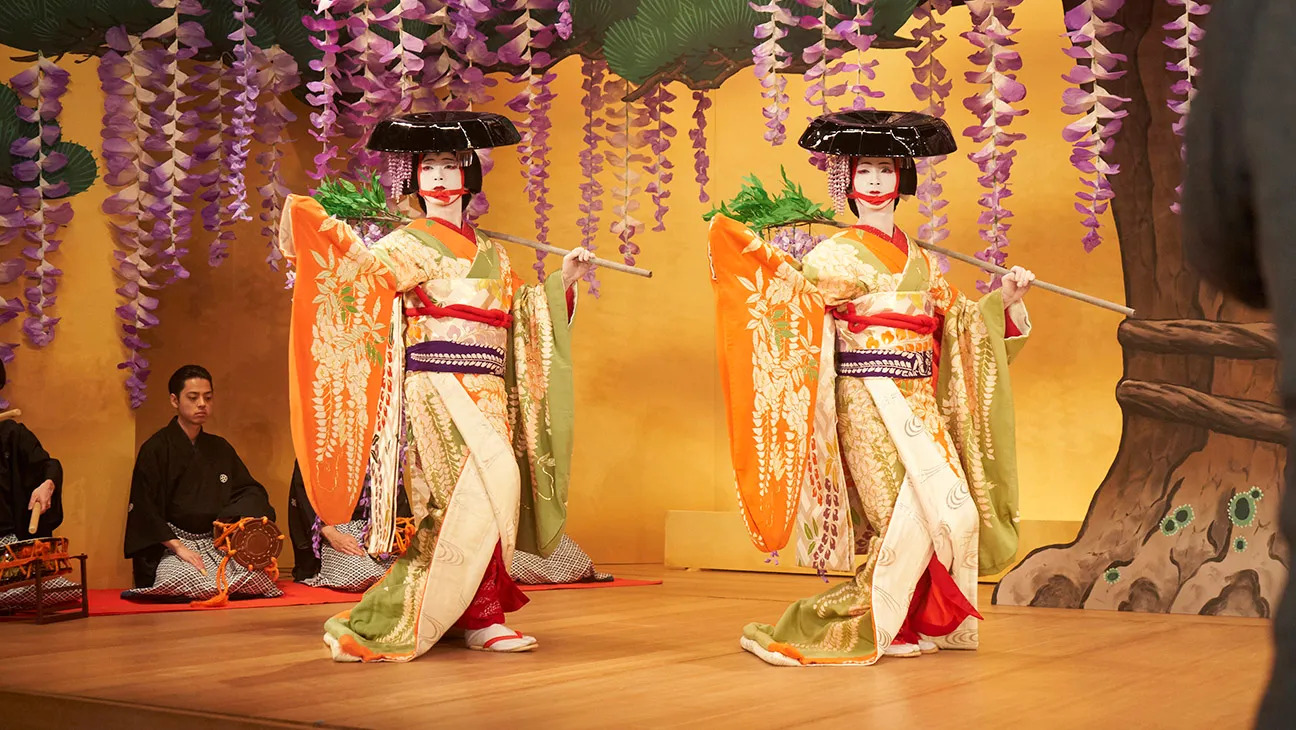
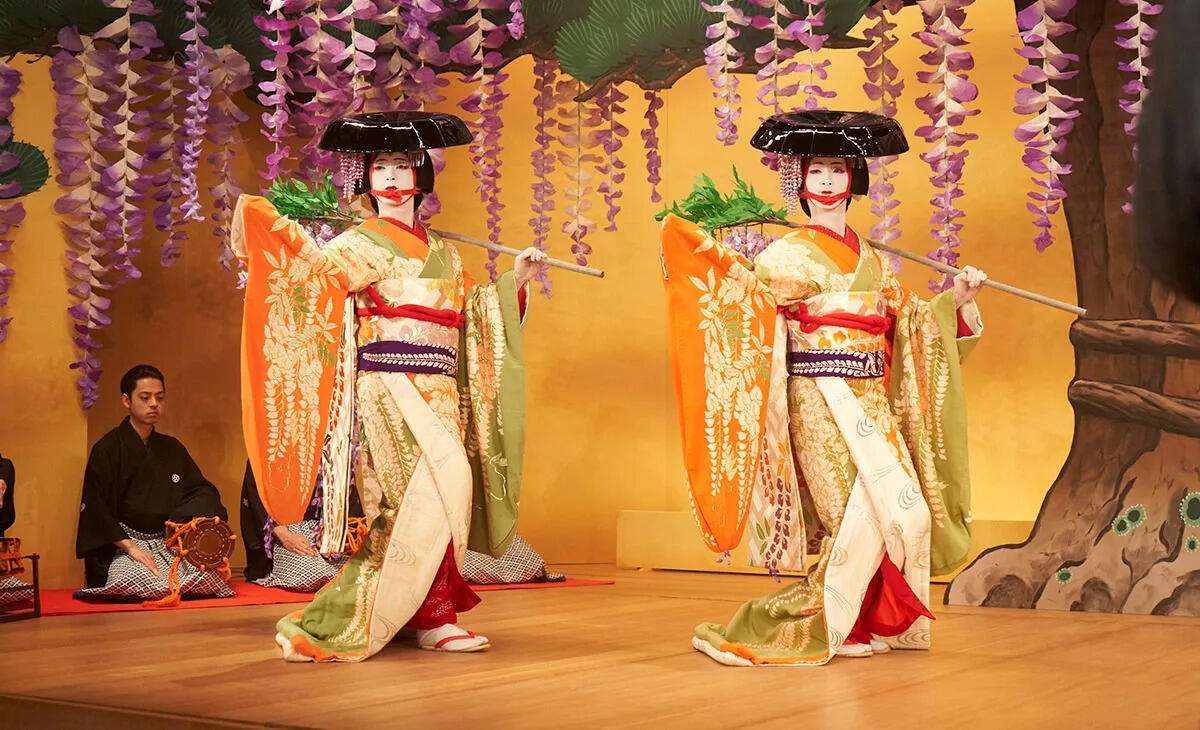
There is much about “Kokuho” which will feel familiar. The film has all the decades-spanning grudges, prickly mentors and personal sacrifice of any great movie about artistic greatness. However, there is one thing its contemporaries lack that “Kokuho” has in spades. The movie is punctuated with stunning, elaborate kabuki performances, a Japanese art form combining theater, music and traditional dance.
“Kokuho” translates to “national treasure,” a nod to its characters’ ambitions of becoming renowned kabuki performers. The title has taken on a meta layer, too, now that Sang-il Lee’s film has become the highest-grossing live action movie in Japanese history.
I certainly treasure having seen it, even if at three hours long, “Kokuho” is a little exhausting. Its scope is enormous. The film adapts an 800-page novel by Shuichi Yoshida and covers decades of its characters’ lives. It could have been longer, too. In an interview with GQ Japan, Lee said that the first cut of his movie was four and a half hours long. The breadth of “Kokuho,” is a lot to digest, particularly when (like me) you are absorbing the world of kabuki and its accompanying celebrity for the first time.
That is not to say that the film does a poor job communicating the ins-and-outs of its subject matter. On the contrary, “Kokuho” is like a textbook of kabuki culture, if textbooks were beautifully illustrated and written like a fabulous melodrama. Watching it felt like I was learning the art form right alongside Kikuo, the protagonist, portrayed with jaw-dropping physicality and reserved sensitivity by Ryo Yoshizawa. The film soars during its kabuki set pieces, which are staged with incredible attention to makeup, costume design and choreography. To state the obvious, “Kokuho” earns every inch of its Oscar nomination for Best Makeup and Hairstyling.
In fact, I could have watched another three hours of kabuki alone. The taxing elements of “Kokuho” are its interpersonal conflicts, not the dance. The film’s central relationship, a rivalry between Kikuo, adopted apprentice of a kabuki master, and Shunsuke, the birth son of the master, is fascinating, but after a strong first half, their dynamic takes a backseat to politicking and underdeveloped romantic subplots. The movie is at its best when Kikuo and Shunsuke, played with charismatic warmth by Ryusei Yokohama, are onscreen together.
“Kokuho” is now playing in select theaters in North Carolina. Fair warning: the drive to see it could be as long as the film itself. I suggest you do it anyway. I hear it’s a national treasure.
Rating: 4/5
“SIRĀT” (2025, 115 min., directed by Oliver Laxe)
Oscar nominations: Best International Feature Film, Best Sound
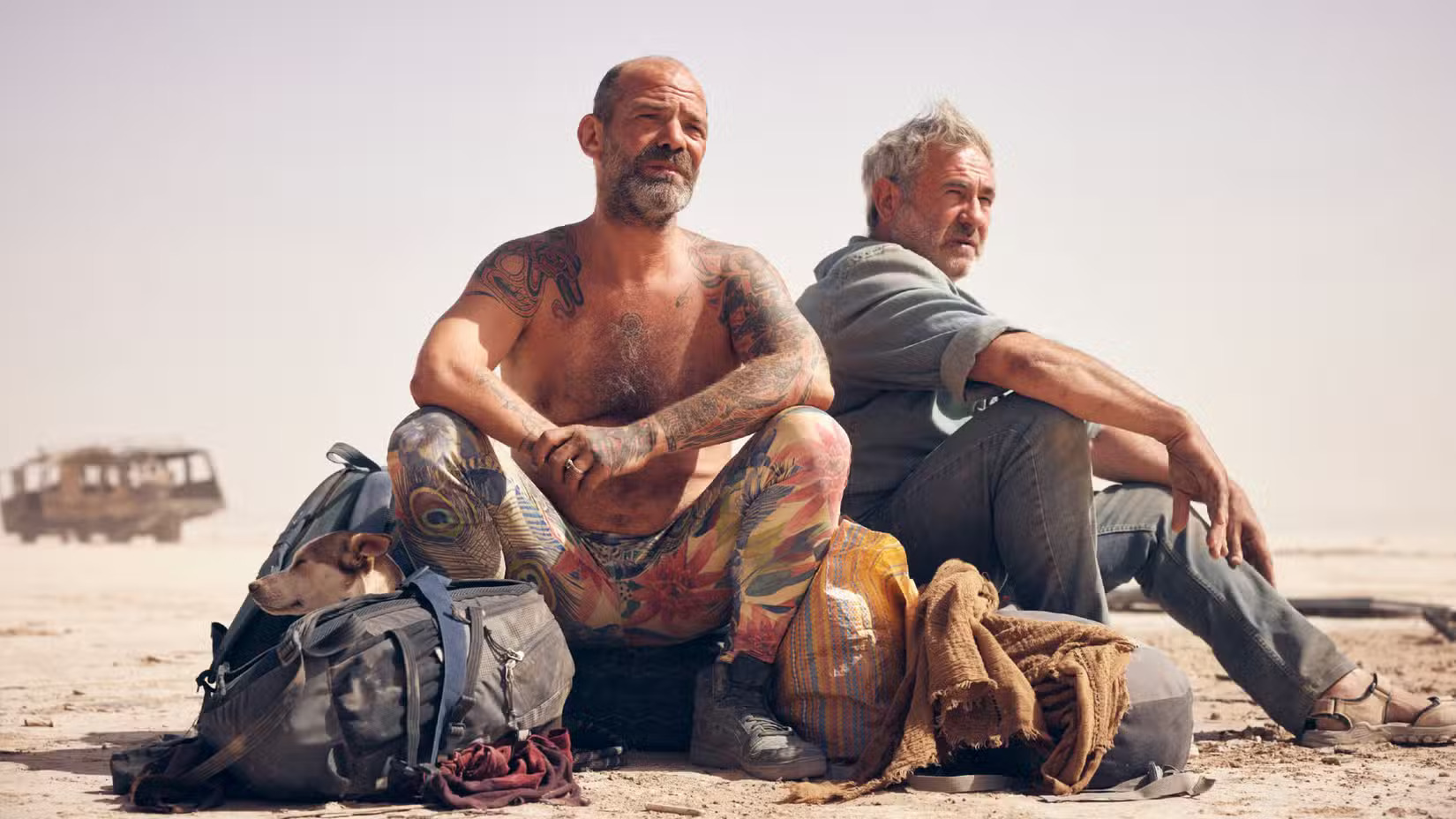
My favorite thing about the modern incarnation of the Academy Awards has been its increasing acceptance of weird movies. With “Sirāt,” Oliver Laxe has contributed one of the year’s weirdest.
Laxe’s movie ostensibly follows a father, played by Sergi López, searching for his missing daughter at a desert rave in southern Morocco, accompanied by his young son, played by Bruno Núñez. Despite the urgency of the premise, in practice, “Sirāt” is more of an exercise in visual hypnosis. The movie is scored to thrumming electronic music and lackadaisical in its plot progression, content to send its characters into the desert on what feels like a quest to nowhere. After the father and son meet a group of ravers who agree to shepherd them to another remote rave, “Sirāt” reveals itself as more of a hangout road adventure than an urgent thriller.
Such is the nature of hypnosis. Just when you feel lulled into a sense of ease, the magician pulls a trick, and what you thought you knew becomes something else entirely. Around the halfway point of “Sirāt,” Laxe pulls a colossal twist out of his sleeve, and his film becomes a nightmare in broad daylight.
Whether “Sirāt” compels you or not, there is no denying its staying power. The film has a singular, fascinating magic to it.
Rating: 3.5/5
-
Oscars variety pack: ‘Kokuho,’ ‘Cutting Through Rocks,’ ‘Sirāt’ – 828reviewsNOW

In advance of the 98th Academy Awards next month, take a deeper look at three lesser-seen films up for Oscar gold: “Cutting Through Rocks,” a hopeful feminist documentary, “Kokuho,” an epic Japanese drama, and “Sirāt,” a weird, hypnotic road movie.
-
Killer double-feature: ‘How to Make a Killing’ and ‘Psycho Killer’ – 828reviewsNOW

Sometimes, the film release calendar feels like it’s winking at you. This weekend marks the debut of “How to Make a Killing,” a stylish thriller-comedy starring Glen Powell, and “Psycho Killer,” a well-shot, poorly-written serial killer slasher. Read our reviews of the deadly duo for more.
-
Oh bruther: ‘”Wuthering Heights”‘ is a frightful bore – 828reviewsNOW

Jacob Elordi and Margot Robbie are the stars of “”Wuthering Heights”,” a romantic reimagining of the classic Emily Brontë novel by “Saltburn” director Emerald Fennell. Like a bad kiss, the film is dissatisfying and a little gross. Happy Valentine’s Day.
-
Charli XCX mockumentary ‘The Moment’ isn’t ‘Spinal Tap’ – 828reviewsNOW

…but it is a ton of neon, flashing fun. Read our review of the A24-produced pop star portrait below.
-
3 new movies to see, stream or skip in February 2026 – 828reviewsNOW

This February, we review a zany new sci-fi adventure from the director of “Pirates of the Caribbean,” an Oscar-nominated documentary about senior opera singers and the concluding installment of a horror movie trilogy. Which should you see, stream or skip? Find out in our review.