


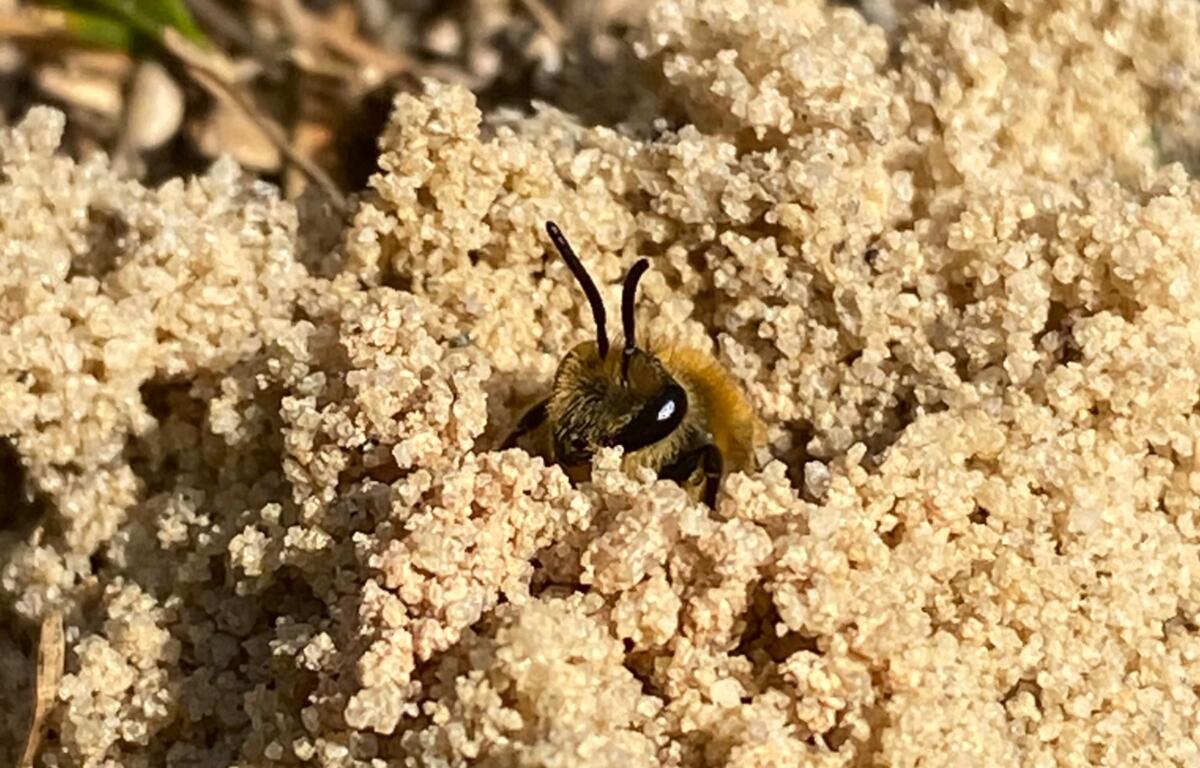

ASHEVILLE, N.C. (828newsNOW) — The North Carolina Wildlife Resources Commission is urging residents not to panic if they see clusters of bees hovering low over their yards this spring, saying the insects are likely harmless, ground-nesting native bees.
Wildlife officials say they receive frequent calls during the growing season from concerned homeowners reporting what appear to be swarms of bees emerging from the ground. In most cases, the activity is tied to solitary native bee species that nest underground.
North Carolina is home to more than 500 native bee species, and many of them burrow in the soil. While these bees nest individually, they often gather in large numbers in the same area, creating clusters of small burrows that can alarm property owners.
Experts emphasize that these bees play a vital role in pollination. More than 80 percent of flowering plants depend on pollinators like native bees, which also contribute billions of dollars annually to agriculture.
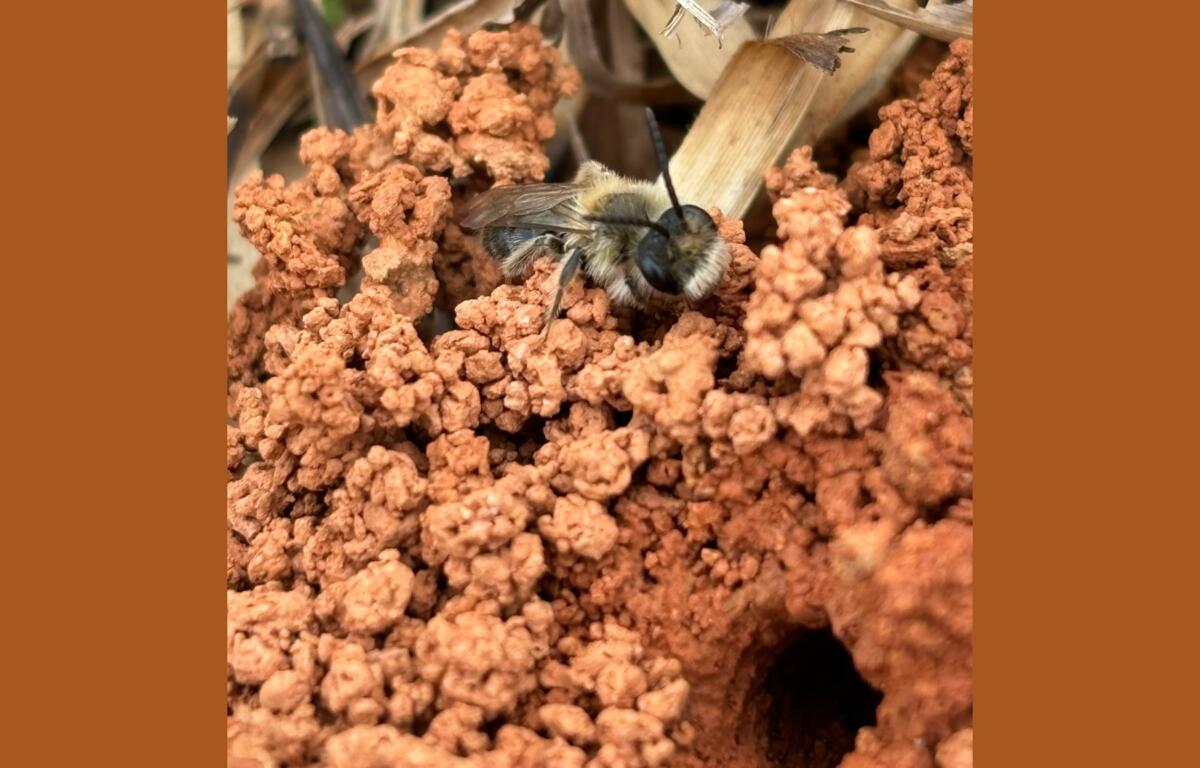
Officials discourage attempts to eliminate the bees using gasoline or insecticides, noting that such actions can harm beneficial pollinators and the broader ecosystem. Instead, they recommend allowing the bees to complete their brief above-ground activity.
Unlike social species such as wasps, solitary bees are generally not aggressive because they do not defend a hive. Only female bees can sting, and encounters with humans are rare, according to the commission.
Ground-nesting bees are typically active above the surface for just a few weeks each year, often in the spring. After that, they remain underground for the rest of their life cycle and usually return to the same area the following year.
Common ground-nesting species in North Carolina include mining bees, cellophane bees and sweat bees. Wildlife officials say these insects are often mistaken for more aggressive species like yellow jackets.
The commission encourages residents to learn more about native bees and their nesting habits and to consider coexisting with the insects whenever possible.