
EDITOR’S NOTE: Strangeville explores the curious and unexplained stories that have long defined Asheville and Western North Carolina. The region is full of unanswered questions, from old folklore and local legends to eerie encounters, unsolved moments in history, and the true-crime mysteries that still leave people wondering. Each week, we look back with an open mind and a sense of curiosity, trying to understand why some stories take hold and why some can never be explained.
ASHEVILLE, N.C. (828newsNOW) – The Biltmore Estate has long been one of Western North Carolina’s best-known landmarks, drawing visitors with the scale of Biltmore House, its grand rooms and the history of the Vanderbilt family. Yet one of the mansion’s most enduring mysteries was born in a painted basement space known as the Halloween Room, where lore and an unexplained nickname have lingered for decades.
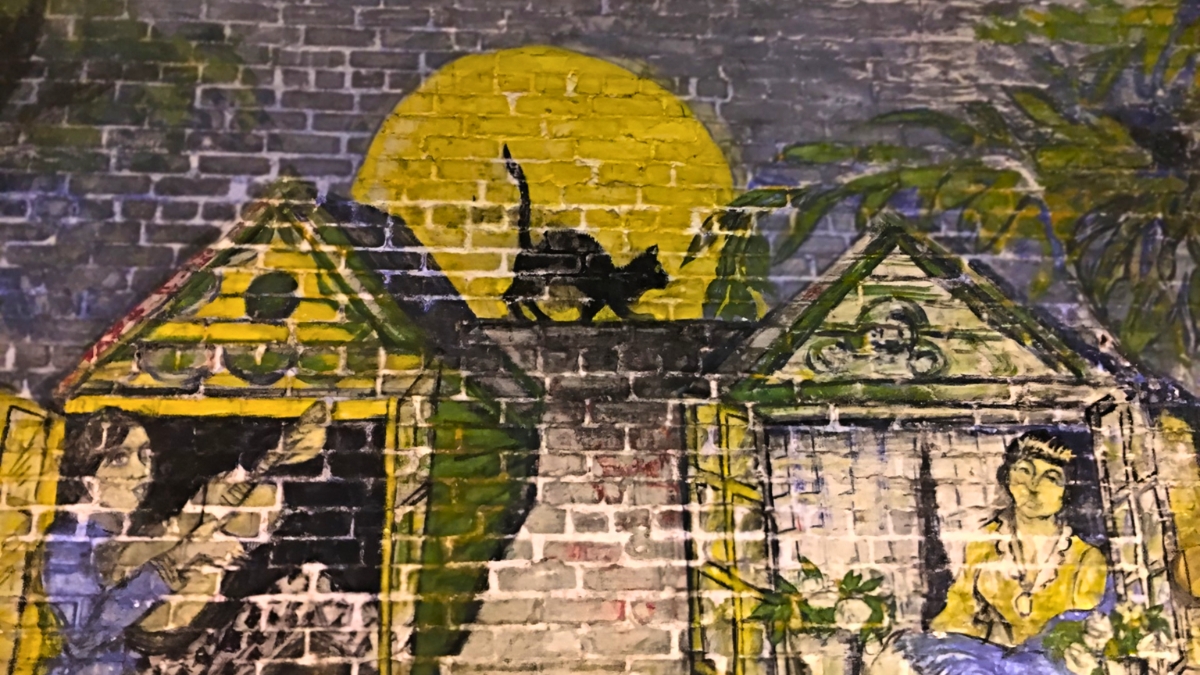
Built in the 1890s by George Vanderbilt, Biltmore House remains a place where history, spectacle and local folklore overlap. For all its fame, one of its most unusual spaces sits out of view, below the formal rooms that draw most visitors. The Halloween Room, tucked into the basement level of the house, stands apart with bright murals and imagery that seem almost out of place beneath one of America’s grandest homes.
It is easy to see how the legend took hold.
Painted across the brick walls are witches, bats, black cats, soldiers and other theatrical figures. The imagery is playful, strange and chaotic. Nothing about it feels fully at home inside a Vanderbilt mansion. Over time, visitors and locals gave it the name that seemed to fit best: the Halloween Room.
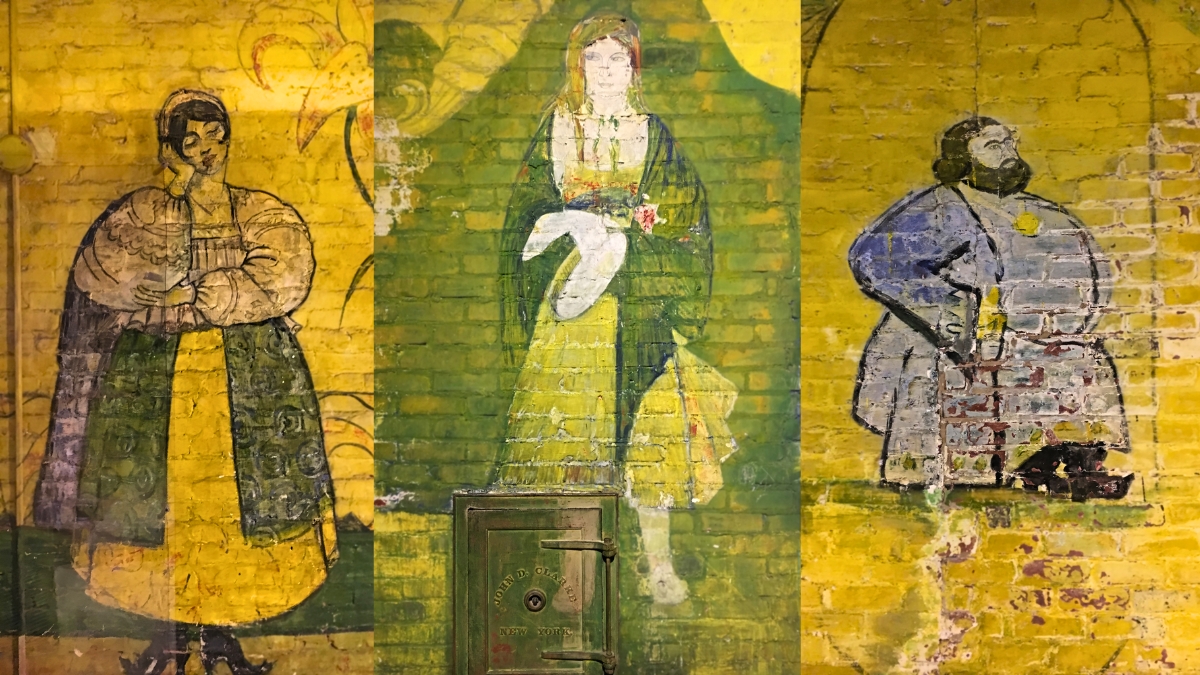
For years, the most widely repeated origin story held that the room was decorated during a Halloween party in the 1920s, when Cornelia Vanderbilt Cecil and her husband, John Cecil, were entertaining guests at the estate. The setting invited imagination.
But the documented history of the Halloween Room, as Biltmore now tells it, points in another direction.
Research by the estate’s Museum Services team found the murals were painted in December 1925, not for Halloween, but for a New Year’s celebration hosted by the Cecils. According to Biltmore, the couple and their friends spent about three weeks creating the room’s unusual designs before hosting a bohemian-themed ball on December 30, 1925. The room’s spooky reputation appears to have grown from its imagery, while its origins were rooted in a deliberate act of design.
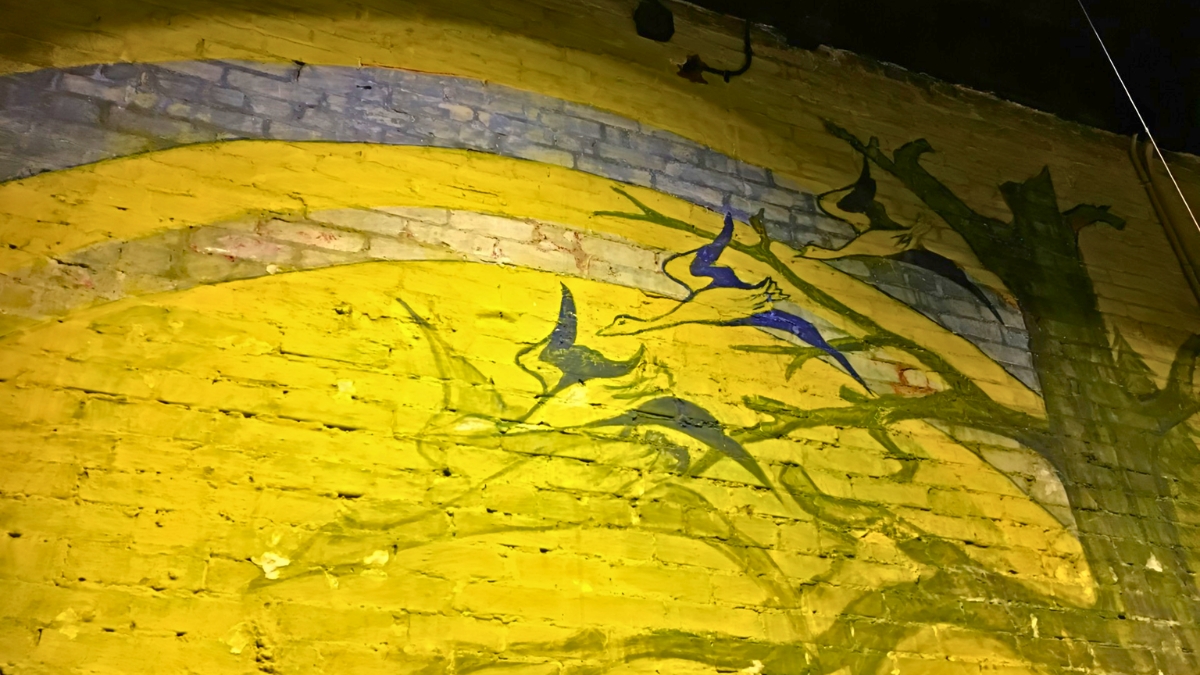
Biltmore says the paintings were influenced by La Chauve-Souris, a Russian theatrical troupe whose name translates to The Bat and whose productions were known for stylized, fantastical imagery. That influence helps explain why the basement walls feel so different from the rest of the house. They were meant to transform the space, creating a hidden downstairs world for guests.
At Biltmore, the house itself sets the stage. Its scale and drama create the sense that every hallway may be holding onto one more story than a tour can contain. The Halloween Room delivers on that promise, offering something rarer than a simple legend: proof that sometimes the truth behind a mystery is theatrical enough to keep it alive.
-
Strangeville: The mystery of Biltmore’s Halloween Room in Asheville

In the basement of America’s largest home, a painted room has fueled decades of rumor, curiosity and mystery.
-
Strangeville: Asheville’s Rhododendron Baby Parade
During Asheville’s Rhododendron Festival heyday, a Baby Parade drew huge crowds and tiny floats. The tradition lasted until money worries and a world war changed everything.
-
Strangeville: Linville Hermit disappearance remains a mystery

A man known locally as the Linville Hermit is said to have vanished from his mountain cabin in the 1800s. No official record exists, but the story has remained part of local folklore for generations.
-
Strangeville: The Whang Doodle that haunted Polk County

A legend from Polk County tells of a mysterious creature once seen by a young boy in the Appalachian foothills.
-
Strangeville: The Ghost Town of Puncheon Camp Creek
EDNEYVILLE, N.C. (828newsNOW.com) — In the open farmland of rural Henderson County, two oversized