



ASHEVILLE, N.C. (828newsNOW) — North Carolina health officials reported two additional cases of measles Thursday in unvaccinated siblings in Buncombe County, bringing the state’s total to seven since late December.
The cases are linked to an ongoing measles outbreak in Spartanburg County, South Carolina, according to the N.C. Department of Health and Human Services. To protect the family’s privacy, no additional details were released.
South Carolina health officials announced Tuesday that 124 new measles cases had been identified there, raising the total tied to that outbreak to 434.
To keep the public informed, NCDHHS has launched a Measles Cases and Outbreaks Dashboard that will be updated twice weekly, on Tuesdays and Fridays, with new case counts and exposure information.
Health officials continue to urge all unvaccinated people ages 1 year and older to receive the measles vaccine. Residents are also encouraged to talk with their health care providers about vaccination before traveling internationally or to areas experiencing outbreaks within the United States.
All individuals who may have been exposed to the newly identified cases have been notified, officials said. Any additional exposures identified during ongoing investigations will be added to the dashboard. Laboratory testing is not recommended for people who were exposed unless they develop symptoms.
Measles symptoms can appear seven to 21 days after exposure and typically include fever and rash. Anyone who develops symptoms should contact their local health department immediately, limit contact with others, and call ahead before visiting a doctor’s office or emergency room so precautions can be taken to prevent further spread.
North Carolina residents can contact their health care provider or local health department for information on obtaining the vaccine and scheduling an appointment. Children eligible for the Vaccines for Children program may receive the vaccine from participating providers. An NCDHHS measles immunity checker tool is also available for those unsure of their vaccination status.
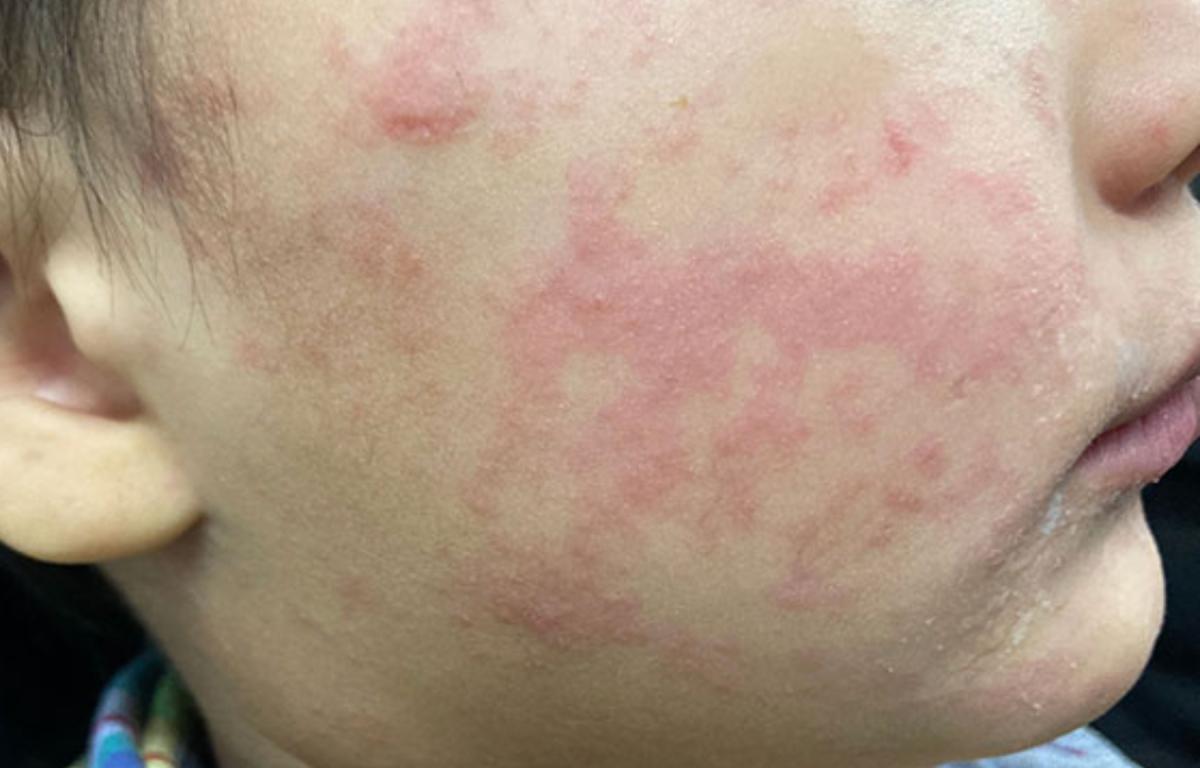
Measles is a highly contagious, vaccine-preventable disease that spreads through direct contact and through the air. The virus can remain airborne for up to two hours after an infected person leaves an area. Symptoms usually begin seven to 14 days after exposure but can take up to 21 days to appear. They may include high fever that can exceed 104 degrees, cough, runny nose, red and watery eyes, tiny white spots inside the mouth known as Koplik spots, and a red, blotchy rash that typically starts on the face and spreads to the rest of the body.
Complications can include diarrhea, pneumonia, encephalitis, or swelling of the brain, and suppression of the immune system. With the risk of community spread increasing, health officials urged parents to ensure their children are up to date on routine vaccinations. Two doses of the measles, mumps and rubella vaccine provide about 97 percent protection against measles.