


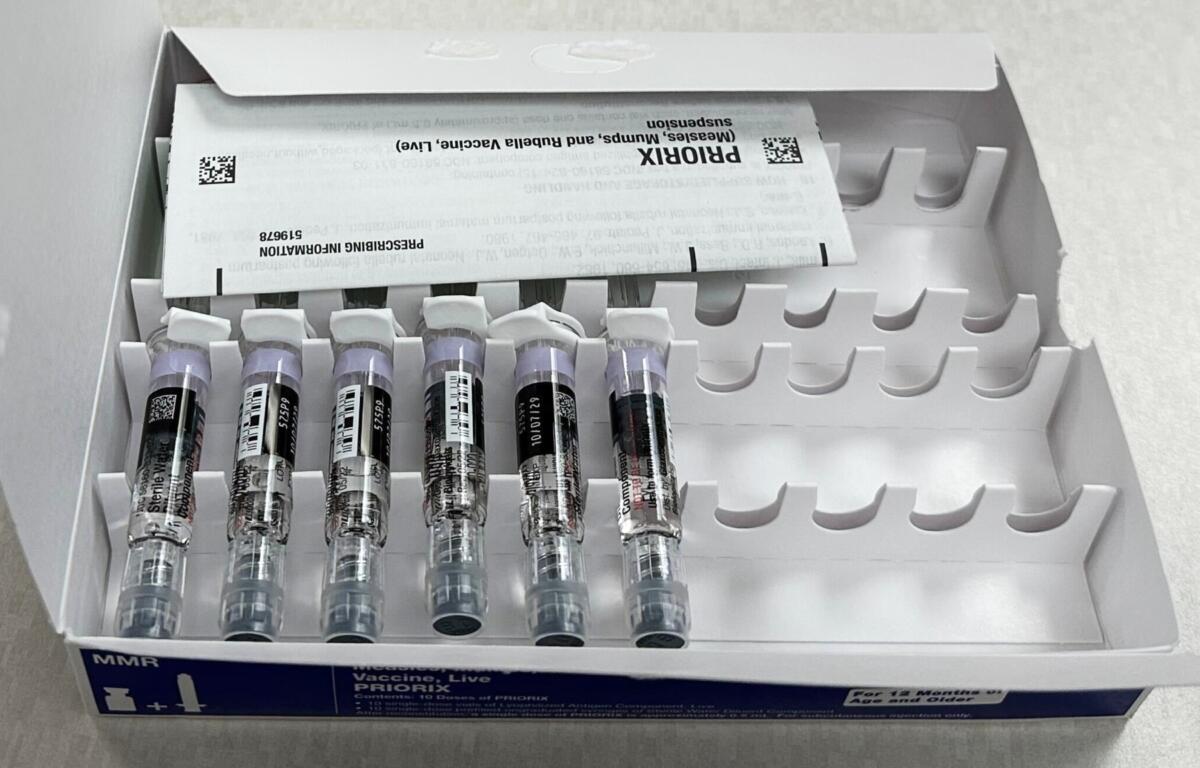

ASHEVILLE, N.C. (828newsNOW) — With measles cases climbing statewide, North Carolina health officials are urging families to stay informed and make sure vaccinations are up to date.
During a statewide tele-town hall hosted Thursday evening, the North Carolina Department of Health and Human Services provided updates on recent measles infections, vaccine guidance and resources available to families seeking care.
According to the state’s measles dashboard, 23 cases have been reported in North Carolina since December 2025, including seven in Buncombe County.
Dr. Kelly Kimple with NCDHHS said measles, once largely eliminated in the United States, is spreading again in North Carolina and other parts of the country.
“Measles is a very contagious disease, and it can be dangerous, especially for babies and children,” Kimple said. “The good news is that measles is preventable, and getting the MMR vaccine is a simple and powerful step to protect you, your family and your community.”
Health officials stress vaccination
Public health leaders said most recent cases have occurred among unvaccinated individuals, particularly children. Officials are encouraging residents to confirm they are up to date on the measles, mumps and rubella (MMR) vaccine.
Buncombe County Health and Human Services Medical Director Jennifer Mullendore said measles is one of the most contagious diseases in the world and spreads through coughing, sneezing or close contact.
Symptoms typically begin with fever, cough, runny nose and red, watery eyes before a rash develops several days later. The virus can spread up to four days before the rash appears and may linger in the air for up to two hours after an infected person leaves an area.
Complications can include pneumonia, brain swelling and, in rare cases, death, particularly among infants, young children and pregnant people, Mullendore said.
“There is no specific treatment for measles,” she said. “Vaccination is the best way to prevent serious illness.”
Early vaccination recommended in affected areas
State health officials are also advising parents in counties experiencing measles spread, including Buncombe, to speak with health care providers about early vaccination for infants ages 6 to 11 months.
The standard immunization schedule recommends two doses of the MMR vaccine, beginning at 12 to 15 months of age, followed by a second dose between ages 4 and 6.
Officials noted the vaccine has been in use for decades and is widely studied for safety and effectiveness.
Recognizing symptoms and preventing spread
Dr. Andrew Grein, a pediatrician and neonatologist at AdventHealth Hendersonville who participated in the discussion, said early symptoms can resemble a common respiratory illness, making vigilance important.
Because measles can spread before symptoms are fully recognized, Grein urged individuals experiencing fever, cough or rash — especially after possible exposure — to call a health care provider before visiting a clinic or emergency room.
“We don’t want people sitting in waiting rooms and unknowingly exposing others,” he said.
Health officials recommend individuals with suspected measles remain at home, avoid public places and contact a medical provider or local health department for guidance.
Emergency care should be sought immediately for severe symptoms such as breathing difficulty, dehydration, confusion or extreme fatigue.
Public health response
When a suspected measles case is reported, local health departments begin contact tracing, notify potentially exposed individuals and provide isolation guidance to limit further transmission, officials said.
Residents who believe they may have been exposed are encouraged to check vaccination records and monitor symptoms for up to 21 days.
Access to vaccines and care
Health officials emphasized that lack of insurance should not prevent families from seeking treatment or vaccinations. Free or low-cost immunizations are available through local health departments, community health centers and the state’s Vaccines for Children program.
Providers also encouraged families to discuss vaccine questions directly with trusted medical professionals.
“Parents want to make the best decisions for their children,” Mullendore said. “Talking with your health care provider helps ensure families have accurate information to protect their health.”
State officials said additional information, exposure updates and vaccine resources are available through the NCDHHS website and local health departments.