


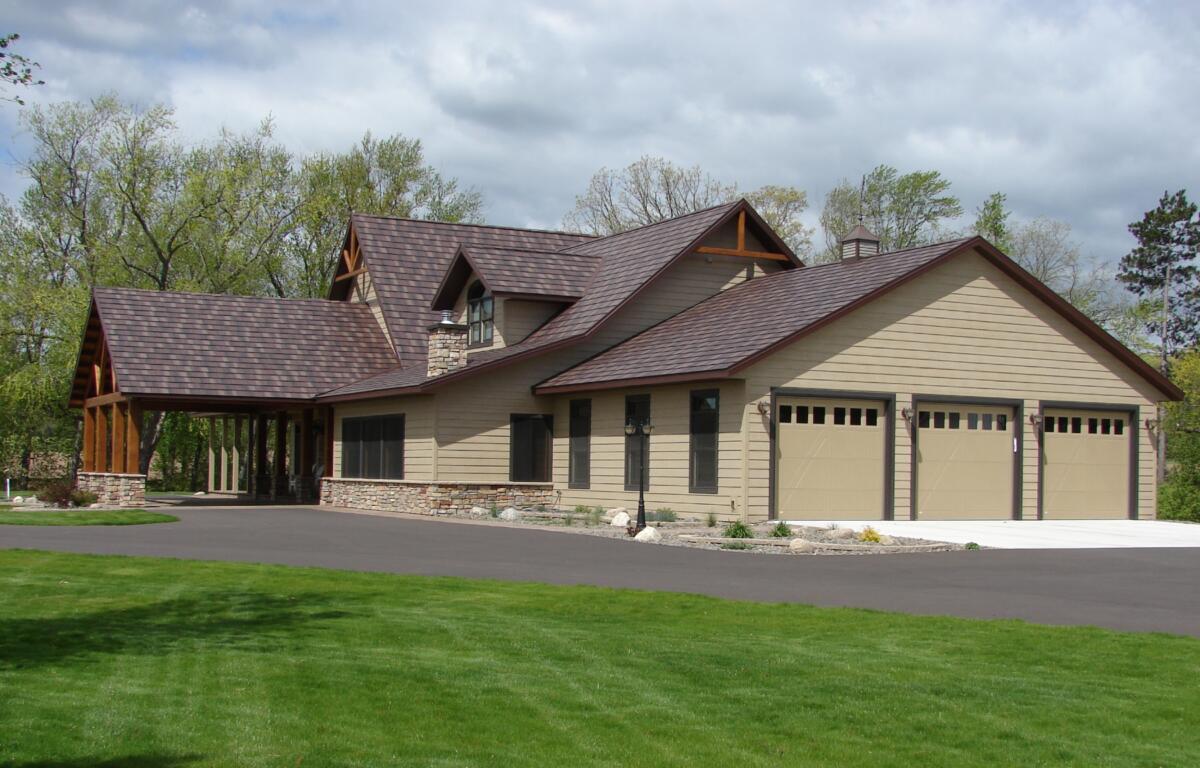

ASHEVILLE, N.C. (828newsNOW) — At Best Buy Metals, one lesson has stood out over years of serving customers across Western North Carolina: most people don’t need a crash course in roofing or siding—they just want to feel confident they’re making the right decision.
And confidence rarely comes from more information. It comes from the right information.
On the surface, many metal roofing and siding products can look nearly identical. Panels may appear the same. Quotes may be close in price. But once the details are reviewed more closely, important differences often emerge in materials, trim components, system design and long-term performance.
That’s where education plays a key role.
Not technical overload or industry jargon — but straightforward conversations that help property owners understand what actually fits their building, their goals and their budget.
Every building has different needs
Across Western North Carolina, no two projects are exactly alike. A mountain home shaded by heavy tree cover faces different conditions than an open-field workshop. A rental cabin has different priorities than a barn or a downtown commercial structure.
Those differences matter.
That’s why the first step is often asking the right questions:
How will the building be used? What kind of weather exposure does it face? Is the priority durability, appearance, low maintenance—or a combination of all three?
In many cases, those answers provide more clarity than jumping straight into color charts or price comparisons.
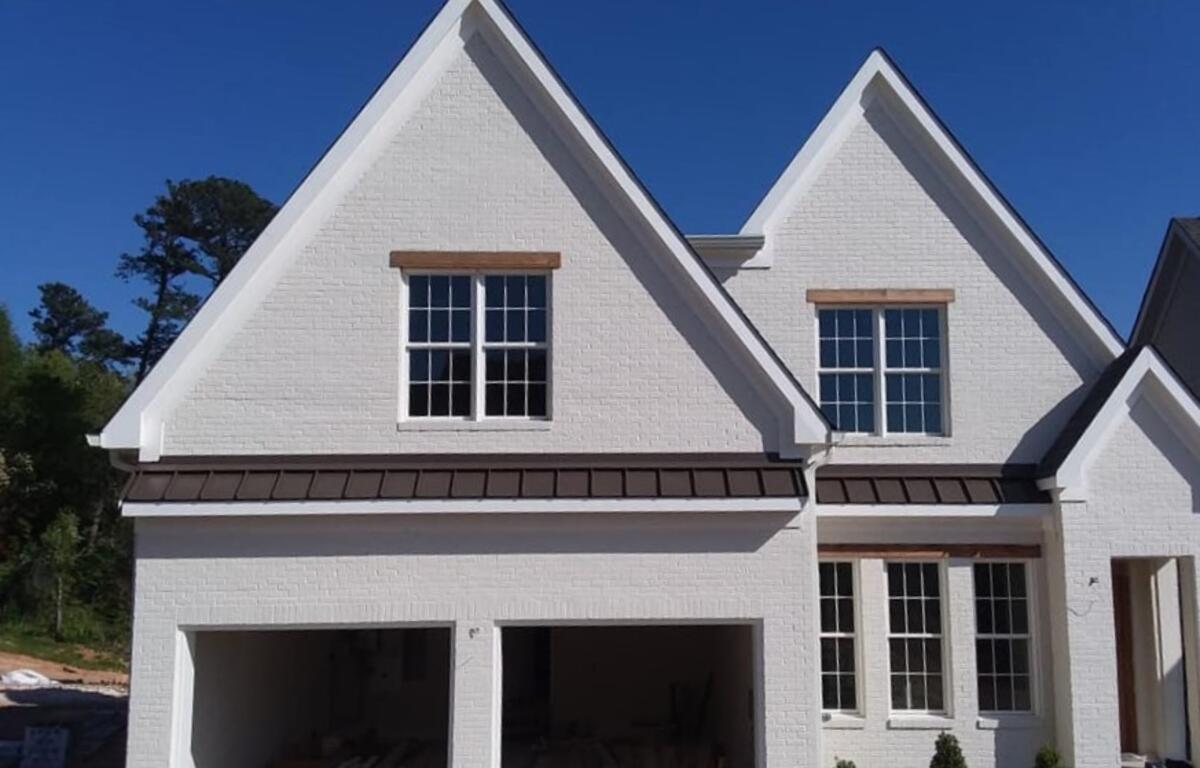
Looking beyond the price tag
Quotes can also be misleading when viewed side by side without context. Two proposals may appear similar at first glance, but include different grades of material, fastening systems, or finishing details that significantly affect performance over time.
Without clear explanation, customers are left comparing numbers rather than understanding value.
That’s often where confusion — and frustration — begins.
Clear guidance, better decisions
At Best Buy Metals, the goal is to help customers understand what they’re choosing before moving forward. Not to overwhelm them with technical detail, but to make sure expectations match reality from the start.
Sometimes that simply means slowing the process down long enough to explain what actually matters for a specific project — and what doesn’t.
Because when the details are clear early, the entire project tends to go more smoothly from start to finish.