


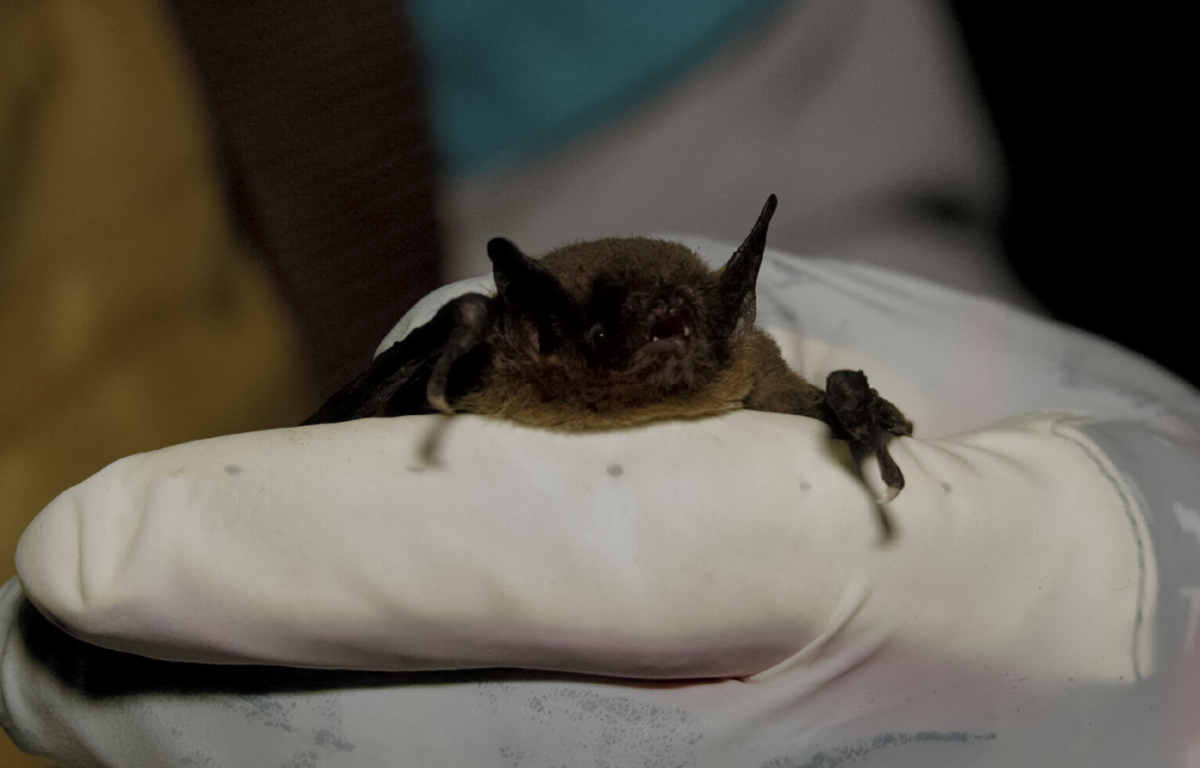

WESTERN NORTH CAROLINA (828NewsNow.com) — The North Carolina Wildlife Resources Commission announced in a news article on its website that first gray bat had been found in a state park in Western North Carolina for the first time in at least 25 years.
According to the article, during a routine annual bat survey in September, a team of biologists from North Carolina’s State Parks division and the Wildlife Resource Commission found a gray bat. It was the first of its species ever observed in a North Carolina state park, the NCWRC said in the article.
“According to our records, this is the first gray bat that has ever been captured or observed in a state park unit,” said N.C. State Parks Inventory & Monitoring Biologist, Ed Corey, in the article. “And that’s with over 25 years of bat data. This is the very first record of that species throughout our entire state park system.”
A spokesperson for the NCWRC told 828NewsNow that the exact location where the gray bats were found was “being kept private, so as not to disturb them.”
Wildlife officials said in the article that the gray bat has been on the endangered species list since 1976 and have been rare in North Carolina for many years. One of the main reasons is a deadly disease called White Nose Syndrome.
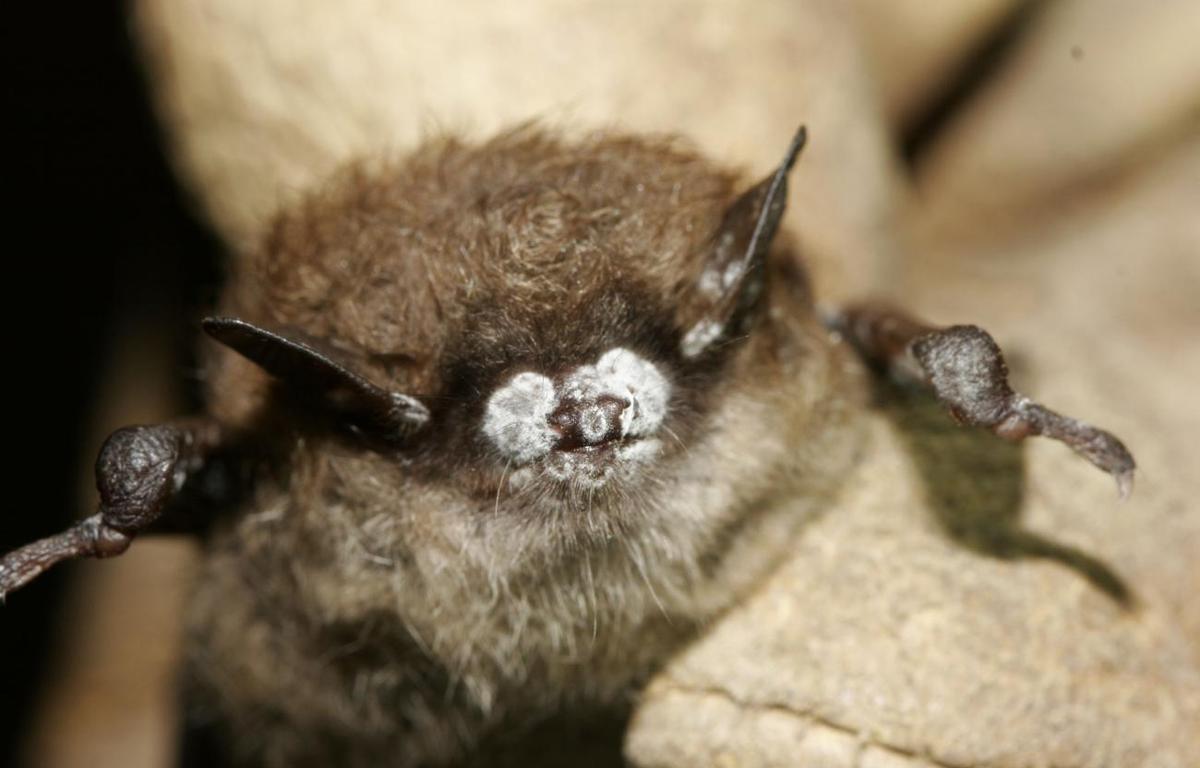
NCWRC Bat Biologist Katherine Etchison said it is a fungal disease that affects bats when they’re hibernating.
“Usually what happens is they just starve to death because they wake up so frequently to clean themselves off. They’ve only saved up enough fat reserves to last the winter, and eventually they just wake up too often, they deplete those fat reserves, and they don’t make it to spring,” she said in the article.
Corey said that for many years, gray bats weren’t really known to be observed in the wild for most of the mountains of North Carolina.
“But possibly because they weren’t as heavily affected by White Nose Syndrome (as other species in the same genus), they seem to have spread out over these larger niches to figure out new foraging habitat and to cover these larger areas of occupancy,” Corey said in the article. “It seems like over their entire range, gray bats are stable.”