


Step into the haunted side of the mountains with 13 ghost stories, legends, and mysteries from Asheville and Western North Carolina. From eerie cemetery tales to mountain folklore that refuses to fade, discover the chilling places and tales that still haunt the region today.
Chicken Alley in downtown Asheville is known for ghost stories, an eerie mural, and the legend of a murdered doctor no one can prove ever existed.
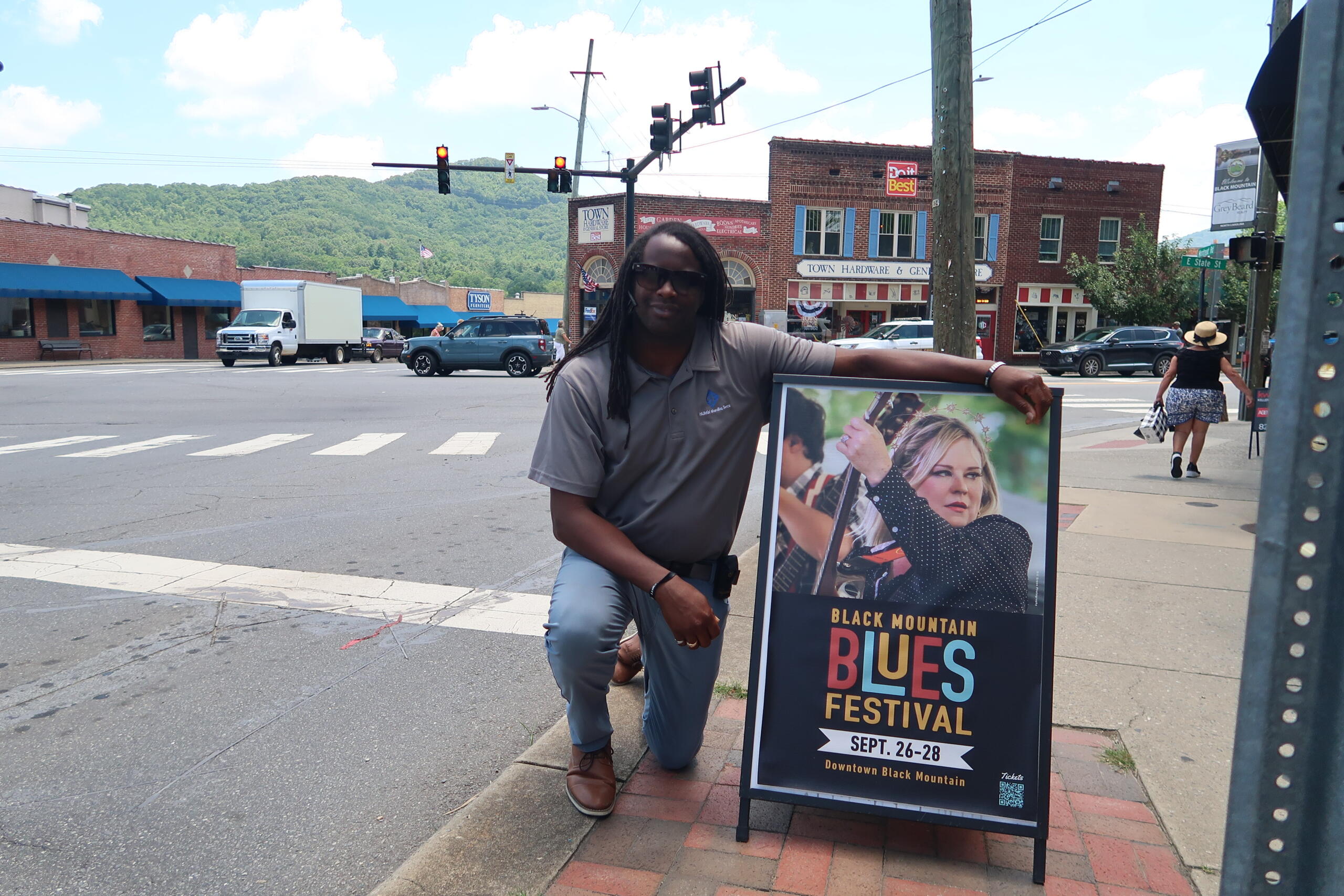
Western North Carolina is just a week away from the 2nd annual Black Mountain Blues Festival, a celebration of storytelling, blues music and Appalachian history. In addition to blues music, the festival will spotlight the history of the tradition, which has long ties to Black Mountain.
Henrietta “Hennie” Whitted Price (1864–1923) was a Hendersonville native, poet, and composer whose life took her from the Blue Ridge to Chicago before returning to rest in Oakdale Cemetery.
Long before the Nantahala was a playground for rafters, the Cherokee told of U’lag‘û — a giant yellow-jacket said to be as large as a house. The legend explains the origin of yellow-jackets and marks the land with names still known around Franklin and the Nantahala Gorge.
Before there was “Bill Nye the Science Guy,” another Bill Nye made America laugh. Edgar Wilson Nye, a 19th-century humorist and journalist, found his final resting place in Fletcher. His memorial and grave at Calvary Episcopal Churchyard still draw visitors curious about the man once known as “Bill Nye the Humorist.”
The Appalachian Barn Alliance is a historical preservation society dedicated to cataloguing the barns of Western North Carolina, particularly in Madison County. For their 10th Barn Day, an annual celebration of barn heritage complete with barn tours, live music and a meal, the ABA will highlight their restoration work on the Smith Heritage Farmstead at the Bailey Mountain Preserve.
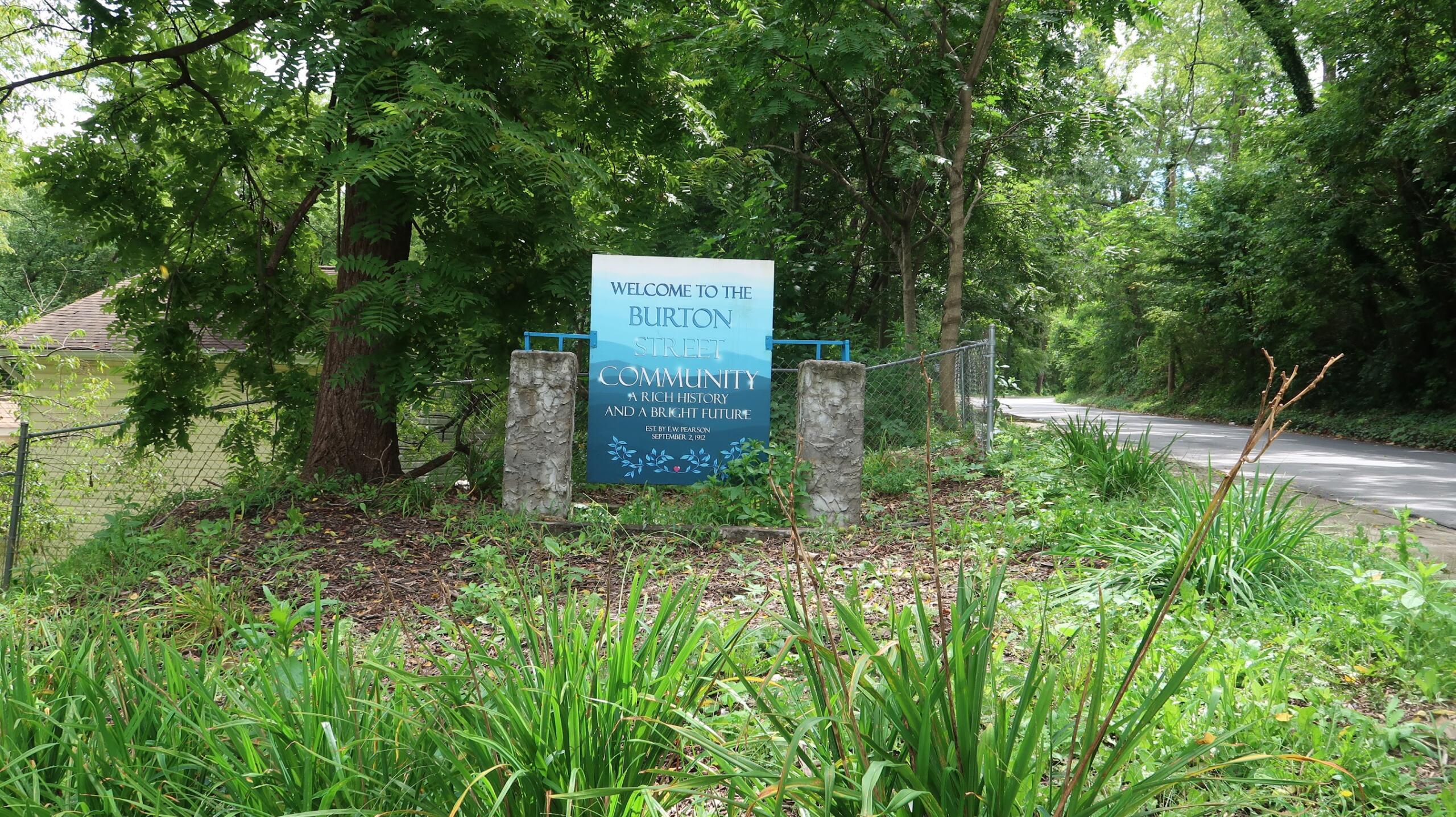
Family-friendly festival with live music, inflatables and 3-on-3 basketball tournament highlights Edward W. Pearson’s vision and neighborhood pride
Clyde A. Erwin High School in Asheville is more than a campus. Built over a potter’s field, the school’s haunted reputation blends verifiable history with enduring folklore.
A simple grave in Riverside Cemetery marks the tragic story of Allen “Buck” Trivette. In 1911, the young Asheville man was shot by his uncle, Pitt Ballew, during a family quarrel that led to trial in Buncombe County.