




About the Guide
Welcome to Asheville, North Carolina! Asheville is a vibrant, scenic mountain city highlighted for its creative energy and laid-back charm. Nestled in the Blue Ridge Mountains, Asheville is known for its vibrant downtown, thriving craft beer scene and abundant outdoor adventures.
Visiting Asheville can feel like a labyrinth of possibilities, but 828NewsNOW has you covered with the “Newcomer’s Guide to Asheville,” full of links, resources and general information to make your stay or move stress-free. Asheville’s 828NewsNOW is the premier source for local news, sports, community events, entertainment and more in Asheville and surrounding communities; you can reach out to us for comments, questions and concerns at news@828NewsNOW.com
Whether you’re here to live, explore, unwind or taste your way through one of the country’s most celebrated food and drink scenes, Asheville welcomes you with open arms — and a view worth remembering.
Asheville history
Prior to 1790, the region was home to the Cherokee people, whose ancestral presence shaped the area’s earliest culture. The Cherokee lived in organized towns along rivers and valleys — including the French Broad River basin — with council houses, homes built from wattle and daub and communal agriculture. They maintained extensive trade routes through the Blue Ridge Mountains, connecting them with neighboring tribes and distant regions.
In 1790, European settlers established “Morristown,” later renamed Asheville in honor of Gov. Samuel Ashe (1797). European American settlers had only recently pushed into the region following the American Revolution, after the 1785 Treaty of Hopewell attempted to define boundaries between Cherokee lands and expanding U.S. settlements. In 1793, a small settlement was established at a strategic spot where two key travel routes crossed: the Drovers’ Road (used for moving livestock from Tennessee toward South Carolina) and the Swannanoa Gap route through the mountains.
Throughout the 1800s, Asheville established itself as a thriving trading hub and mountain crossroads. The arrival of the railroad in the 1880s sparked rapid growth, tourism and development alongside the assembly of tuberculosis sanitariums, bringing health seekers to the mountain climate.
In 1895, George Vanderbilt built the Biltmore Estate, cementing Asheville’s Gilded Age prominence. After Biltmore opened in 1895, it drew national attention and early tourism. Visitors came for the estate and often stayed to explore the mountains and the growing downtown. The Biltmore Estate set the foundation for downtown to flourish with Art Deco and Beaux-Arts architecture. Alongside its undeniable beauty, the estate employed thousands of locals, played a crucial role in sustaining Asheville during the Great Depression and helped define Asheville as a place of beauty, creativity, and heritage.
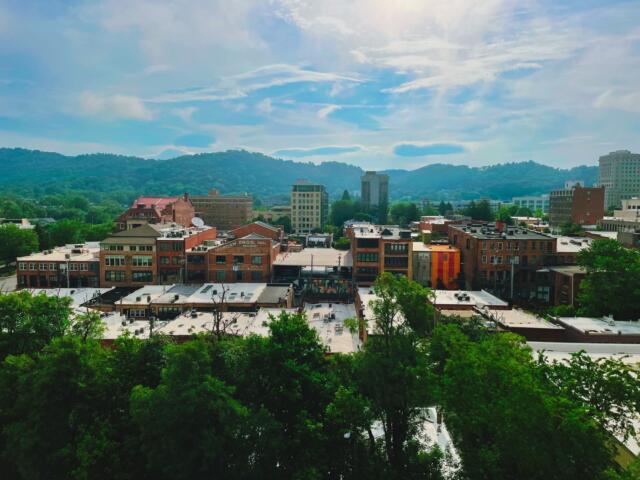
When the Great Depression struck in the 1930s, Asheville was already burdened with enormous municipal debt — roughly $8 million accumulated during the booming 1920s for infrastructure, roads, and civic improvements. As banks failed and tax revenues collapsed, Asheville suddenly found itself with one of the highest per-capita municipal debts in the entire country. Despite this, Asheville did something extraordinary: It vowed to repay every dollar. This decision, made jointly by Asheville and Buncombe County leadership, was rooted in civic pride, moral conviction and the belief that honoring debts would protect the city’s long-term reputation. It meant decades of sacrifice. It took until 1976, nearly half a century, to finish paying the debt.
The 1990s marked the beginning of a new era for the city of Asheville. A major cultural and economic renaissance began — craft breweries, creative industries, outdoor tourism and culinary innovation thrived. Emerging arts and music scenes took root, especially from the 1960s onward, leading Asheville to become known nationally for its arts community, historic charm and Blue Ridge Mountain lifestyle.
Since the 1990s, Asheville has transitioned from more traditional manufacturing and service-sector employment to a tourism-driven, creative and knowledge-oriented economy. Asheville’s labor force expanded, and job growth has been strong in hospitality, health care and creative industries.
Asheville’s history is a blend of mountain heritage, artistic spirit and enduring resilience. Originally home to the Cherokee people, the area grew into a bustling crossroads in the 19th century and later flourished during the Gilded Age with landmarks like the Biltmore Estate.
About Asheville: Who we are
As of July 2024, Asheville was a city of 94,992, according to U.S. Census estimates, with Buncombe County’s population at 279,533. The city has more than doubled in population since the 1990s — growing from about 65,950 in 1990 to currently about 95,000. As a result, Asheville has become the cultural, economic and population center of Buncombe County — pulling in newcomers, driving tourism and shaping the region’s identity.
Age and race: Asheville is a mature city, with the 2024 median age of 40.7 years, compared to 39.2 statewide. The population is roughly 80.1 percent white, 9.7 percent Black, 1.3 percent Asian, 6.5 percent mixed race and 7.1 percent Latino.
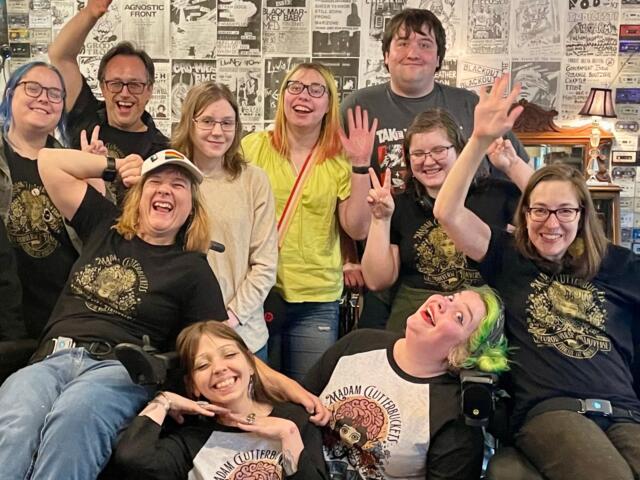
Veterans: Veterans make up about 5.2 percent of Asheville’s population and about 6.3 percent of Buncombe County’s population. Our community attracts a lot of veteran retirees as Asheville is home to multiple VA and veteran support facilities, including the Charles George VA Medical Center, which serves Western North Carolina. Alongside the VA, there are strong veteran organizations and clubs, fostering camaraderie, networking and volunteer opportunities.
Income: The 2024 median household income for Asheville was about $67,221. That’s a bit lower than the statewide median of $74,000. For married-couple families, that local figure increases to $91,349.
Who does what
Here are some of the more commonly sought services for newcomers, with links to their main pages.
Asheville Regional Airport — Asheville Regional Airport (AVL) is your friendly mountain gateway. Located just a few miles from downtown, it connects the region with major hubs like Atlanta, Charlotte and New York, making business travel and weekend escapes surprisingly easy. With modern facilities, free Wi-Fi, short security lines and quick access to rental cars and shuttles, it’s a convenient entry point for newcomers and visitors alike.
Electricity
Duke Energy — Duke Energy powers most of Asheville with electricity. It offers helpful tools like outage alerts, online usage monitoring and budget billing to help you manage your energy needs while settling into city life.
French Broad Electric — French Broad Electric is a local cooperative that supplies electricity to parts of Buncombe County, especially outside the denser city core. As a member-owned utility, it’s deeply rooted in the community — and focused on keeping power affordable and sustainable. French Broad Electric makes it easy to access energy-efficient programs, green power options and cooperative governance.
Gas and Water
Enbridge Gas — Enbridge Gas is the main natural gas provider for many Asheville-area residents. It supplies fuel for heating, gas stoves and water heaters, helping homes stay warm. Its service is backed by strong safety standards and a responsive customer care team, so you can feel confident.
City of Asheville Water Resources Department — The Asheville Water Resources Department keeps the city flowing with clean, safe water. It manages everything from treatment plants and water mains to stormwater and sewer systems. It also maintains the city’s commitment to sustainability, using conservation programs and infrastructure upgrades to protect water quality in the mountains.
Hospitals: Asheville is served primarily by Mission Hospital, the flagship facility of Mission Health (part of HCA Healthcare), which has about 815 licensed beds and a full-service emergency department. The city also has the Asheville VA Medical Center and Asheville Specialty Hospital, a smaller facility with 34 beds. In 2025, several health systems planned expansions in Buncombe County, including Novant Health and UNC Health West/Pardee, which are proposing new hospitals with additional acute care beds and emergency services. Mission Hospital also plans to add 26 acute-care beds. These developments are aimed at expanding health care access in Asheville and the surrounding region, ensuring residents have more options for hospital care in the coming years.
Internet, television and phone:
- AT&T — Offers fiber internet in parts of Asheville, with speeds up to 5 Gbps.
- Spectrum (Charter) — Cable internet, very widespread in Asheville.
- Skyrunner — A local fixed‑wireless provider in the Asheville area.
- HughesNet — Satellite internet, useful especially if you’re outside denser parts of the city
- Community Phone — Offers a no-contract, affordable home phone service in Asheville
Law enforcement: Locally, call 911 for all law enforcement, fire and ambulance needs. This is different from some communities where calling 911 is for extreme emergencies only.
- Asheville Police Department (APD) is the main municipal law enforcement agency for the city. It’s CALEA‑accredited and handles patrol, investigations and community engagement.
- The Buncombe County Sheriff’s Office covers the rest of the county (including unincorporated areas) and also partners with APD for downtown patrols.
- The Sheriff’s Office has a full Enforcement Division (patrol, investigations, standards) and a Detention Division (jail facilities).
- NC Western Regional Crime Lab — located near Asheville — provides scientific analysis (DNA, toxicology, fingerprints, etc.) for local law enforcement.
Trash and recycling: In Asheville, trash and recycling services are managed through a combination of city-run and private programs. The City of Asheville Public Works Department operates several convenience centers and drop-off locations where residents can dispose of household trash, large items and recyclables. For regular curbside pickup, residents can subscribe to services from private waste collection companies, as city curbside service is limited. While curbside recycling is not universally available, all public drop-off centers provide bins for paper, plastics and other recyclable materials, making it easy for residents to participate in the city’s recycling programs
Entertainment and things to do
The NC Arboretum — A scenic botanical haven with trails, gardens and year-round natural beauty just south of Asheville.
The Biltmore Estate — Asheville’s grand mansion and estate offering historic architecture, lush gardens and mountain views.
Asheville Botanical Garden — A quietly beautiful, 10‑acre nonprofit refuge tucked beside UNC Asheville, dedicated to showcasing native Appalachian plants through walking trails, rustic structures and peaceful natural settings.
Concert venues
- Asheville Yards — A downtown, open-air concert venue, room for up to 4,000 guests, food trucks, multiple bars and a raw‑industrial, community‑gathering energy.
- Harrah’s Cherokee Center Asheville — Managed by the city of Asheville, it’s thelargest premier multi-room event center in Western North Carolina.
- The Grey Eagle — A cozy West Asheville concert spot for folk, bluegrass and acoustic performances.
- The Orange Peel — A downtown music venue with intimate vibes, hosting legendary and emerging acts.
Hiking and walking trails: Several city and county parks have walking or biking paths and trail systems. The main ones are:
- Bent Creek Experimental Forest Loop — A peaceful forest trail just outside Asheville, popular with hikers and mountain bikers.
- Biltmore Estate Lagoon Trail — An easy, mostly flat 3‑mile round-trip along the French Broad River, offering pastoral views and glimpses of the Biltmore House.
- Biltmore Westover Trails — Several walking trails (1.7-3.5 miles) through woodland on the Biltmore property, perfect for quiet hikes.
- Richmond Hill Park Trail — A 2.5‑mile loop near downtown Asheville, great for a relaxed walk and easy to access.
- Craggy Pinnacle Trail — A short, steep hike (about 1.2 miles round trip) up to a rocky overlook with 360-degree mountain views.
- Mountains-to-Sea Trail (from the Folk Art Center/Lunch Rocks) — A section of the MST that starts about 15 minutes from Asheville and leads to scenic overlooks in a forested setting.
Boats, canoes, kayaks: Asheville has fully embraced its position along the rivers for recreational boating.
- Amboy Riverfront Park — Designed for river access, including canoe and bank entry.
- Asheville Canoe House — A pop‑up canoe rental company offering half-day, multi-day and sunset trips on calm stretches of the French Broad River, with shuttle service to and from put-in points.
- Beaver Lake Bird Sanctuary — An 8‑acre wetland refuge in north Asheville managed by Blue Ridge Audubon, featuring a raised boardwalk, lake overlooks and wooded trails where you can quietly observe songbirds, waterfowl, butterflies,and more from dawn until dusk.
- Bent Creek River Park — Has creekside river access for paddlers, per Buncombe County.
- Craven Street Bridge Boating Access — A public ramp (192 Riverside Drive) for launching small boats, kayaks and canoes.
- Jean Webb Park — Offers canoe/kayak access to the river from a bank entry point.
Swimming pools: The city of Asheville operates the Dr. Wesley Grant Sr. Southside Community Center Pool and the Splashville splash pad. For the full listing, go to the City of Asheville Pools website.
Golf courses:
- Asheville Municipal Golf Course — historic Donald Ross 18‑hole course
- The Omni Grove Park Inn Golf Course — a resort-style, 18‑hole course with mountain views
- Crowne Plaza Resort Asheville Golf Course — 9‑hole (Course 1)
- Crowne Plaza Resort Asheville Golf Course — 9‑hole (Course 2)
- Reems Creek Golf Club — public course just outside Asheville in Weaverville
- Biltmore Forest Country Club — private course in the Asheville area
- Country Club of Asheville — private golf club in Asheville
Parks: The City of Asheville has dozens of neighborhoods and large community parks, and Buncombe County has several, as well. Those include:
- Azalea Park — Large park along the Swannanoa River that includes sports fields, picnic areas and Azalea Dog Park.
- E.W. Grove Park — A charming greenspace in the Grove Park neighborhood with shady lawns and a trolley-era gazebo.
- Beaucatcher Overlook Park — A quiet spot with trails and a scenic overlook on Beaucatcher Mountain.
- Dr. George Washington Carver Edible Park — A public food forest with fruit & nut trees, a garden feel and walking paths.
- French Broad River Park — Greenway-access park with river overlooks, open lawns, picnic areas and walking paths.
- Richmond Hill Park — Wooded trails, picnic shelters, plus a disc golf course and bike‑skills area.
- Swannanoa Greenway — A paved path running along Hominy Creek through parts of East Asheville.
- West Asheville Park — A neighborhood park with open green space, a playground and a picnic shelter.
Restaurants in Asheville
Asheville’s food scene is a vibrant mix of creativity, tradition and farm-fresh ingredients — something that reflects the city’s eclectic spirit and love for its mountain environment. Whether you’re craving Southern comfort, global flavors or inventive small-plate dining, there’s a place for every palate and mood.
Local favorites
Biscuit Head — A hometown breakfast staple, Biscuit Head elevates the humble Southern biscuit into a canvas for bold, creative toppings — think pimento cheese, pulled pork or maple‑drizzled eggs — for a flavor-packed morning.
Chai Pani — Chai Pani brings the vivacious spirit of Indian street food to Asheville with crunchy chaats and family-style thalis in a colorful, convivial space that feels like a bustling Bombay café.
Early Girl Eatery — With a warm, farmhouse charm, Early Girl serves scratch-made Southern comfort food using local, seasonal ingredients — from buttermilk pancakes to fried chicken — perfect for breakfast, lunch or dinner.
Mamacitas — Mamacitas is a lively downtown taqueria offering handmade tortillas, fresh tacos and approachable margaritas in a fun, laid-back setting that feels authentically Mexican yet deeply Asheville.
Nine Mile — A chilled, Rastafarian-inspired eatery, Nine Mile mixes Caribbean spices with healthy, creative dishes like Jamaican-style rice and hearty salads — ideal for a laid-back lunch or dinner.
Rocky’s Hot Chicken Shack — A laid-back, soulful spot where Nashville‑style hot chicken (from mild to extra hot) meets Southern classics like mac ‘n’ cheese and collard greens — everything’s made from scratch and made to share.
Strada Italiano — Strada is a cozy, rustic Italian spot in Asheville where hand‑rolled pastas, wood-fired pizzas and classic antipasti transport you to a trattoria tucked into a mountain village.
Tupelo Honey — Tupelo Honey pours Southern soul into every dish — from shrimp and grits to fried green tomatoes — and complements it with warm hospitality and a homey, welcoming atmosphere.
12 Bones Smokehouse — 12 Bones Smokehouse in Asheville is a relaxed, lively spot where creative, hardwood-smoked barbecue and bold, house-made sauces come together in a way that feels both down-to-earth and unmistakably local.
Fine dining
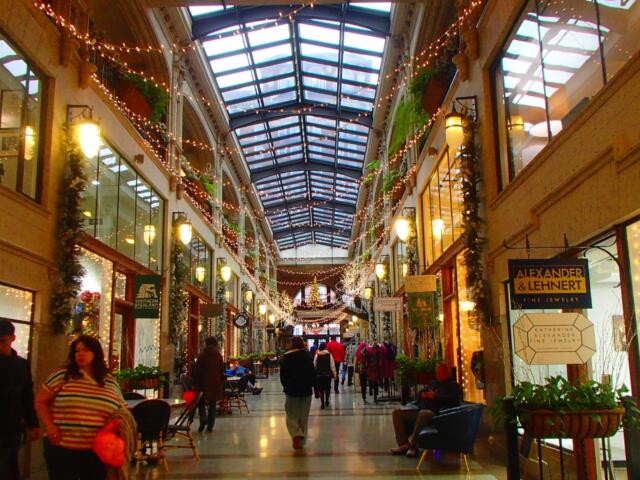
Asheville Proper — A refined yet relaxed steakhouse in the historic Grove Arcade, where refined cuts are grilled over a real hardwood fire, and the art-deco surroundings offer elegance and comfort.
Bone and Broth — A warm neighborhood restaurant tucked between downtown and Grove Park, serving dry-aged regional steaks, Southern classics, creative small plates and perfectly mixed cocktails from a cozy mahogany bar.
Chestnut — Located in downtown Asheville, Chestnut blends creative cuisine with craft cocktails, bringing locally sourced ingredients and thoughtful flavors into a welcoming, sophisticated space.
Curate — A tapas-style Spanish gem in Asheville where small plates — from jamón to patatas bravas — are shared over wine, conversation and a lively, convivial atmosphere.
Jargon — A stylish, reimagined dining spot in West Asheville, Jargon offers globally inspired American cuisine in a historic building with an intimate, artsy ambiance — perfect for creative evenings.
Luminosa — Housed in the Flat Iron Building, Luminosa channels rustic Italian charm with handmade pasta, wood-fired fare and a menu rooted in whole-animal cooking and sustainability.
Posana — A contemporary neighborhood restaurant that feels grounded and modern, Posana emphasizes seasonal, farm-driven American fare — with a thoughtful gluten-free kitchen and a warm, stylish interior.
The Bull and Beggar — Located in Asheville’s River Arts District, The Bull & Beggar melds European technique with Appalachian soul, serving dry-aged meats, raw bar items and craft cocktails in a moody, upscale setting.
Our government
National: The people of Buncombe County are represented by North Carolina’s two U.S. senators, and by the 11th District congressman in the U.S. House, elected every two years. Primaries are in March 2026, with general elections in November.
- U.S. Sen.: Thom Tillis, R
- U.S. Sen.: Ted Budd, R
- Congress Dist. 11 Rep.: Chuck Edwards, R
State: The North Carolina General Assembly is the legislative body for the state, made up of the Senate and House. Most of Buncombe County is in state Senate District 11. Senators are elected to two-year terms. In the state House, the county is divided into three districts: 114 (northern side), 115 (northeastern side) and 116 (southwestern side). (Click here for district maps.) House legislators, or representatives, are elected to two-year terms. Primaries are in March 2026, with general elections in November.
- Governor: Josh Stein, D
- Dist. 114 Rep: Eric Ager, D
- Dist. 115 Rep.: Lindsey Prather, D
- Dist. 116 Rep.: Brian Turner, D
- Dist. 46 Rep.: Warren Daniel, R
- Dist. 49 Rep.: Julie Mayfield, D
Buncombe County: Residents are represented by a seven-member district-based County Commission. (Click here for district map.) The commissioners and chairman serve four-year terms, with county primaries in March and general elections in November. Terms begin in December. The commission meets at 3 p.m. on the first and third Tuesdays of the month for a nonvoting informal briefing session and at 5 p.m. on first and second Tuesdays for regular voting sessions. All meetings are open to the public and held at the County Courthouse downtown.
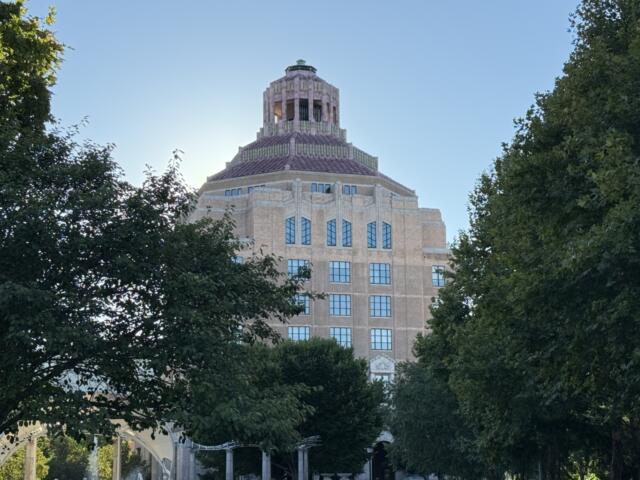
City of Asheville: The City Council is made up of a mayor and six council members who are elected at-large for four-year, staggered terms. (Click here for ward map.) The mayor, who is chosen on a separate ballot, presides over City Council meetings and serves as the ceremonial head of government. The Asheville City Council establishes the city’s policies. Asheville City Council meetings are held in-person in the Council Chamber, located on the 2nd Floor of City Hall, located at 70 Court Plaza, typically at 5 p.m. on the second and fourth Tuesday of every month. Meetings will be live on Charter/Spectrum Channel 193, and live online on the city’s website.
- City Mayor: Esther E. Manheimer
- Asheville City Council
School Board: The Buncombe County School System is governed by seven members of the Board of Education who are elected to serve four-year terms. Residents of each electoral district vote on their representative, with an at-large representative voted on by the entire county electorate. Candidates are elected on a nonpartisan basis. The superintendent is appointed by the Board and serves as secretary to the board. Regular board meetings begin with work session updates and a closed session, typically starting at 4 p.m. The general session begins at 5:30 p.m. Meetings will be held in the Minitorium, located at BCS Central Services, 175 Bingham Road, Asheville, NC 28806.
The Asheville City School System is overseen by an Asheville City Board of Education. Since 2024, the board consists of seven members, all of whom are elected. Members serve four-year terms (staggered) and elections are nonpartisan. Board meetings — one “work session” and one “regular meeting” — are normally held on the first and second Monday of each month at 5pm, with the regular meeting including public comment. Meetings take place at the Asheville City Schools Administrative Office Boardroom, 85 Mountain Street, Asheville, NC.
- CMCSS Schools Director: Dr. Rob Jackson
- Buncombe County School Board
Courts: The Buncombe County Courthouse houses various courts, including the District Court, Superior Court, Magistrate Court and an array of specialty courts.
- District Court: Buncombe County is served by the 28th Judicial District in North Carolina. The district court is a trial court for misdemeanors, family, juvenile, small civil claims that is maintained by seven judges.
- Superior Court: The Superior Court handles felony criminal cases and higher-dollar civil cases. The court is maintained by two resident judges.
- Magistrate Court: Magistrates preside over small claims, preliminary hearings and certain minor criminal matters. North Carolina requires a minimum of 15 Buncombe County magistrates.
- Specialty courts:
- Adult Drug Treatment Court: A voluntary court program designed to help people with substance use (drug or alcohol) who are involved in the criminal justice system. The main goals are to reduce repeat criminal behavior and help participants maintain long-term recovery
- ASPIRE Court: DWI/substance-related cases
- Veterans Treatment Court: A court system designed as an alternative to the traditional criminal justice path, offering treatment and support instead of focusing only on punishment.
Economy, employers and industries
North Carolina’s employers span various sectors, including education, health care, retail and technology. Western North Carolina isn’t much different, as public service serves as the backbone of our vibrant mountain community.
Based on recent economic data, Asheville’s economy provides a wide range of services contributing to the recovery and development of WNC, with education and health services making up a significant share of the region’s employment. There are more than 620 companies that manufacture their products within the four counties in the Asheville area.

Asheville’s top employers
Buncombe County Board of Education — public school system, 4,000 employees.
Ingles Markets Inc. — regional grocery chain, 1,100 employees.
Mission Health — health care provider in Western North Carolina, 7,000 employees.
Omni Grove Park — luxury resort, 1,100 employees.
Veterans Administration Medical Center Asheville — provides care to veterans in Western North Carolina, 1,600 employees.
Education in Asheville
Asheville City Schools — Asheville City Schools is a public school district with nine public schools: five elementary schools, two middle schools and two high schools, serving about 4,000 students in Asheville. The teacher-to-student ratio for ACS is approximately 12:1, which is slightly below the North Carolina state average. ACS’s average testing ranking is in the top 50 percent of public schools in North Carolina, with an average graduation rate of 93 percent.
Buncombe County Schools — Buncombe County Schools is a public school district with 45 schools spanning six districts: 23 elementary schools, four intermediate schools, seven middle schools, seven high schools and four specialized schools, serving about 22,000 students across the Asheville area. The teacher-to-student ratio for BCS is approximately 14:1, with a graduation rate of about 94 percent and an average testing rate of approximately 51 percent.

University of North Carolina Asheville — UNC Asheville’s current enrollment is approximately 3,000 students per year, with roughly 220 full-time faculty and a graduation rate of about 55 percent over a six-year rate. UNCA’s academic programs include 31 majors leading to 36 distinct undergraduate degrees across 18 areas of study. UNCA is an NCAA Big South Division I school, excelling in sports such as basketball, swim & dive and soccer. Beyond the numbers, UNCA is alive with creativity, research opportunities and stunning mountain views that make studying feel like a lifelong adventure.
Asheville-Buncombe Technical Community College — A-B Tech provides education to about 8,000 enrolled students per year, with a 33 percent graduation rate over a three-year period. For the 2024-25 academic year, Asheville-Buncombe Technical Community College offered more than 190 degrees, diplomas and certificates across a variety of fields, designed to meet diverse student interests and career aspirations. Full-time faculty sits at about 450 with a student-to-teacher ratio of 15:1. Beyond academics, A-B Tech connects students to the local economy, giving them the skills and confidence to succeed in Western North Carolina’s vibrant professional landscape.
South College Asheville — South College Asheville is a non‑residential private college. It’s accredited by the Southern Association of Colleges and Schools Commission on Colleges (SACSCOC), which allows it to offer associate, bachelor’s, master’s and even more advanced credentials. With just more than 300 students and a 9:1 student-to-faculty ratio, this campus makes personal attention a priority. Programs in health care, business and technology are designed to launch students directly into meaningful careers. While the broader South College graduation rate sits about 27 percent, students benefit from hands-on instruction, modern facilities and a tight-knit community that makes each learner feel seen, supported and ready for the next step.
Nonprofits in Asheville
Asheville is home to an array of non-profit organizations that help the city remain supported and thriving, from animal shelters to educational resources.

Asheville GreenWorks — Asheville GreenWorks brings people together to care for the local environment through hands-on projects like tree planting, cleanups and community education. Their work keeps Asheville beautiful, sustainable and connected to the natural world.
Asheville Humane Society — The Asheville Humane Society provides safety, care and second chances for animals in need. Through adoption, support programs and compassionate services, it helps pets find loving homes and helps families keep their animals healthy and safe.
BeLoved Asheville — BeLoved Asheville focuses on building a more inclusive, just community by meeting people where they are — offering support, creative solutions and advocacy for those facing barriers. Their grassroots programs uplift neighbors and strengthen community belonging.
Big Brothers Big Sisters of WNC — Big Brothers Big Sisters of Western North Carolina creates meaningful, one-on-one mentoring relationships that help young people grow in confidence, curiosity and resilience. Mentors offer encouragement and guidance that can change a child’s path.
MANNA FoodBank — MANNA FoodBank works to ensure everyone in Western North Carolina has access to nutritious food. By connecting surplus resources with local partners and families, it supports communities with dignity and help reduce food insecurity across the region.
OpenDoors Asheville — OpenDoors Asheville supports students by expanding access to educational opportunities, enrichment and stability. The programs help young people overcome obstacles, develop their talents and build strong foundations for long-term success.