
EDITOR’S NOTE: Strangeville explores the curious and unexplained stories that have long defined Asheville and Western North Carolina. The region is full of unanswered questions, from old folklore and local legends to eerie encounters, unsolved moments in history, and the true-crime mysteries that still leave people wondering. Each week, we look back with an open mind and a sense of curiosity, trying to understand why some stories take hold and why some can never be explained.
BREVARD, N.C. (828newsNOW.com) — A Cherokee legend describes a village near present-day Brevard where residents are said to have entered a mountain and never returned. According to the story, the people of Conestee were warned of danger by the Nunnehi, described in Cherokee tradition as hidden or supernatural beings. After fasting for seven days, the villagers followed the Nunnehi into a nearby mountain for protection and were never seen again.
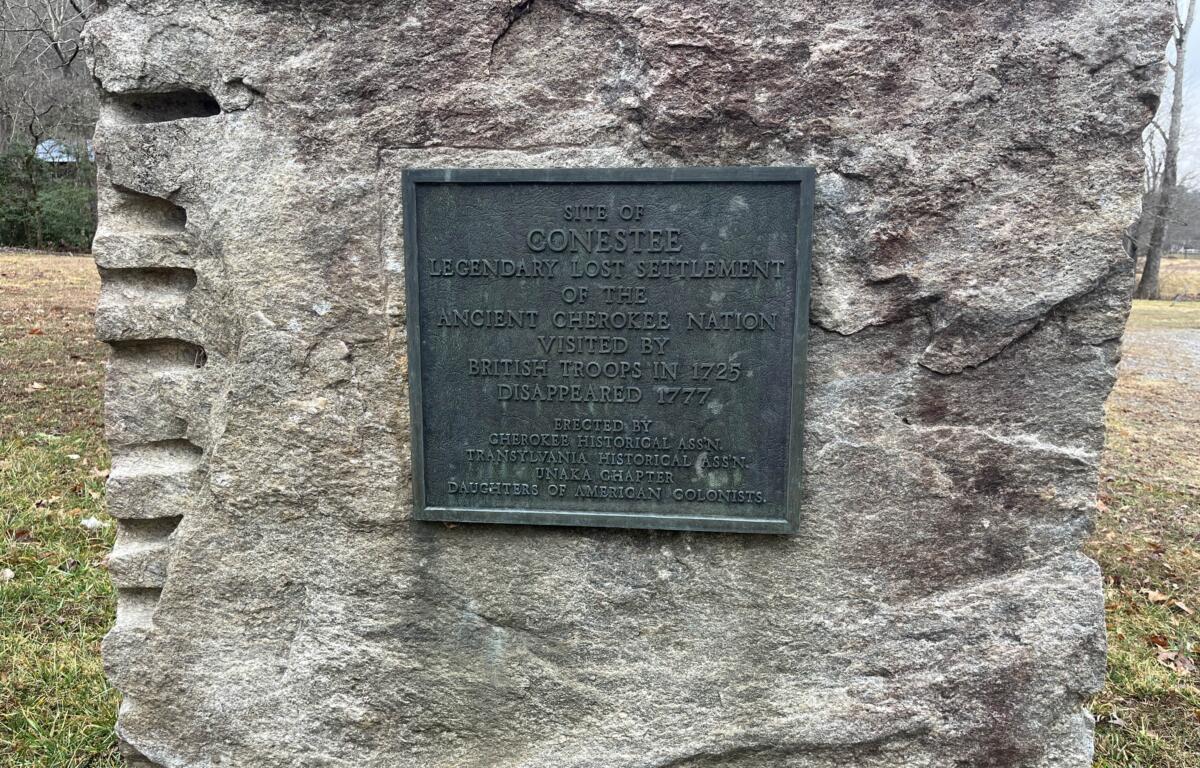
A roadside plaque now marks the “Conestee Lost Settlement” along U.S. 276 in Transylvania County, just south of Brevard. The marker, placed in 1958 by the Cherokee Historical Association, the Transylvania Historical Association and other groups, states that British troops visited the settlement in 1725 and that it “disappeared” in 1777.
The Kanasta, also spelled Kana’sta, were by most accounts a real Cherokee village located near what is now Connestee Falls, along the French Broad River. Their fate is unclear. When the British returned in the 1770s, the village, documented four decades earlier, had vanished. Historians do not know whether the Kanasta relocated, joined another Cherokee town, or dispersed.
Despite the marker’s claim, there is no archaeological evidence identifying the exact location of the Kanasta village. A University of North Carolina research project that catalogs North Carolina monuments, notes the settlement is thought to have been abandoned around the 1750s, two decades earlier than the “disappearance” date engraved on the plaque.
The legend of Conestee is most widely known through the work of James Mooney, an ethnographer who recorded Cherokee oral histories in the late 19th century. His account, published by the Bureau of American Ethnology, includes the story of a village being warned by the Nunnehi and retreating into a nearby mountain for safety.
Transylvania County was historically located along Cherokee travel and trade routes. The Estatoe Path, documented by a 1956 state historical marker, ran through the Davidson River area and connected Cherokee towns in the mountains with those in present-day South Carolina. The village of Estatoe was destroyed by militia in 1776 during the Rutherford Expedition, part of colonial military action against the Cherokee. State records show that by 1790, Cherokee use of the path had largely ended.
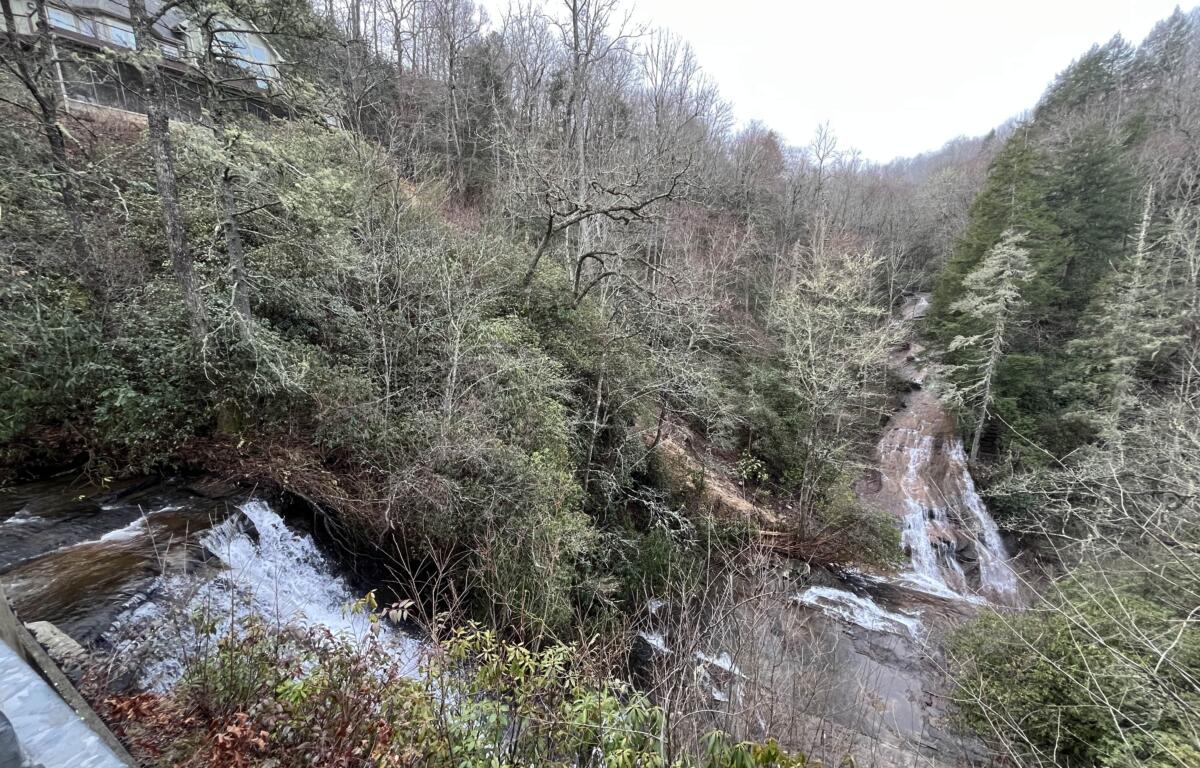
Nearby Connestee Falls also carries a Cherokee-derived name, but historical records show the name was likely assigned in the late 1800s by a local hotel owner. According to a conservation history from nonprofit group Conserving Carolina, the name and the romantic tale linked to it were later used to market the site for tourism and were not part of the original oral traditions tied to the falls.
The Conestee marker remains a fixture in local folklore and historical discussion. The legend of the village’s disappearance and connection to supernatural elements continues to draw interest from researchers and visitors. The story reflects both the disruption faced by Indigenous communities in the 18th century and the persistence of oral tradition in preserving their stories.
The story of Conestee remains one of Western North Carolina’s most enduring and unexplained legends.
-
Strangeville: Elvis, Asheville and a tiny Cherokee museum

Just off of Highway 19 on the way down to Cherokee, N.C., eagle-eyed drivers might spot the silhouette of Elvis Presley on the side of a small brown building. Inside, visitors will find the Elvis Museum, owned and curated by Dorothy “Dee” Smith.
-
Strangeville: Revolutionary War Ghosts of the Carolina Backcountry

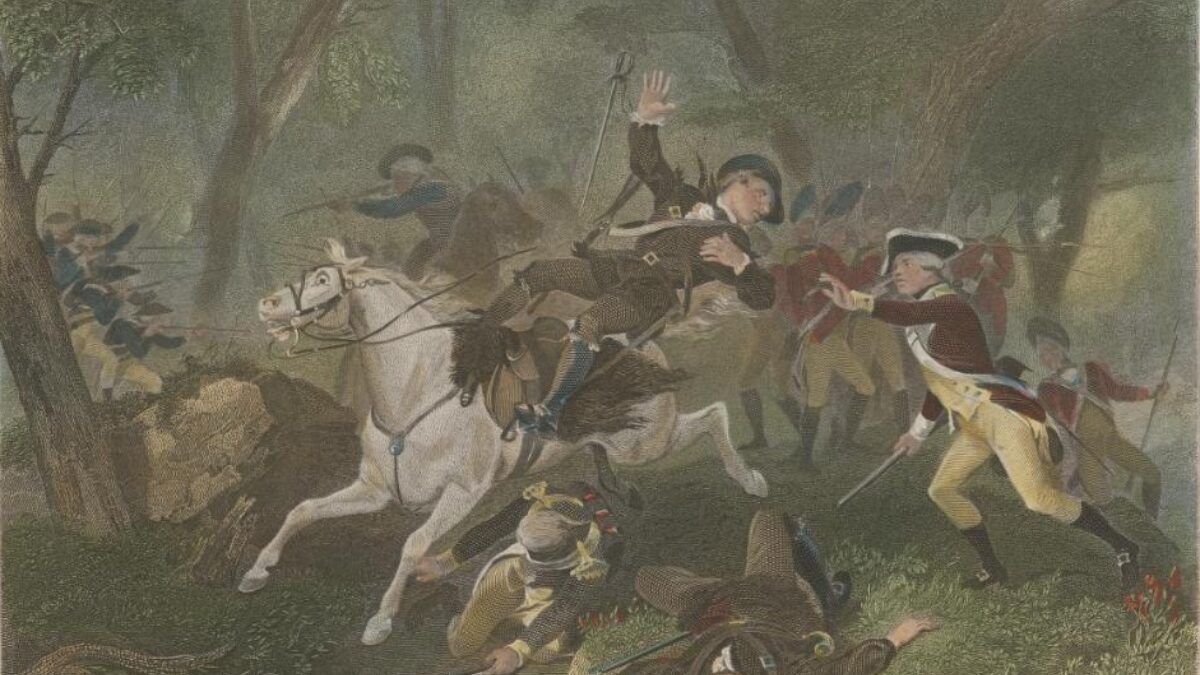
Ahead of America 250, Revolutionary War folklore links Western North Carolina’s Overmountain Men to ghostly legends from the Battle of Kings Mountain.
-
Strangeville: Harry Gardiner, the ‘Human Fly’ Who Climbed Asheville’s Flat Iron Building
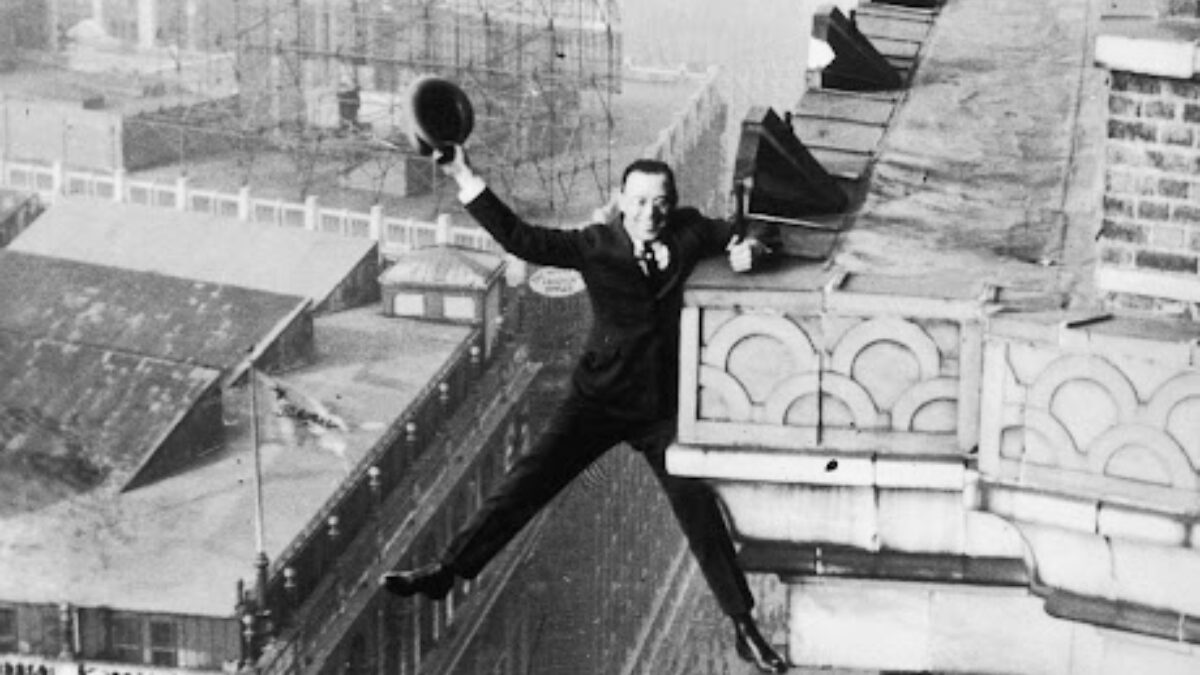
A century before viral stunts, Harry Gardiner drew crowds to downtown Asheville by scaling the Flat Iron Building without ropes — part spectacle, part fundraiser and part civic promotion.
-
Strangeville: Devil’s Den and the outlaw legends of Iron Mountain

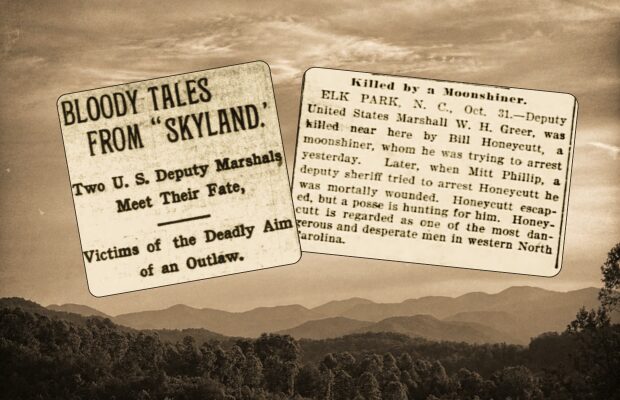
On the North Carolina-Tennessee line, Devil’s Den became part of a darker mountain history shaped by moonshiners and outlaws.
-
Strangeville: Why Thomas Wolfe testified in a Yancey County murder trial
The Asheville author testified in a Yancey County murder trial after witnessing a Burnsville confrontation one week before a deadly shooting.