ASHEVILLE, N.C. (828newsNOW) — Every spring and fall, millions of birds pass over the mountains of Western North Carolina, following the Atlantic Flyway by the light of the moon and stars on journeys that span continents. The choices we make in our homes and backyards can help them safely reach their next stop.
Danielle DiBella-Lenaway, vice president of the Blue Ridge Audubon Chapter, will share ways homeowners can better support migratory birds during a presentation at the WNC Build and Remodel Expo, hosted by the Builders Association of the Blue Ridge Mountains, on March 21–22 at the WNC Agricultural Center’s Davis Event Center.
Ahead of the event, we asked DiBella-Lenaway to share five practical ways homeowners can make their properties more avian-friendly.
1. Help birds see your windows.
For birds, windows can be deceptively dangerous. Reflections of trees and sky can look like open space, sending birds toward what appears to be a clear path but is actually a solid barrier. The toll is significant: Glass collisions kill up to 1 billion birds each year in the United States.
“One of the simplest actions people can take to prevent this is adding window treatments,” DiBella-Lenaway says.
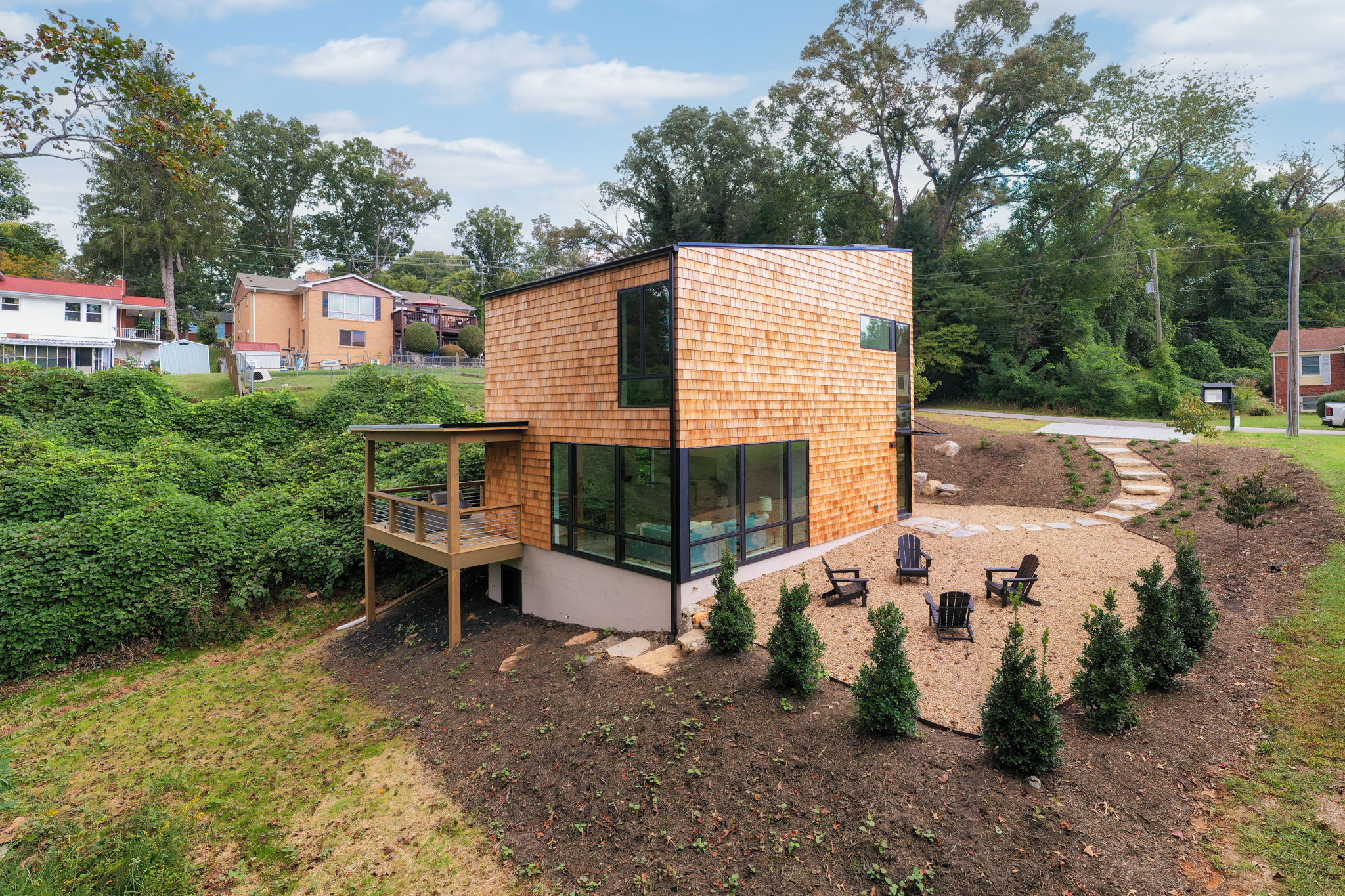
Solutions range from inexpensive decals to exterior screens, netting and patterned films. If you’re planning a remodel or new construction project, you might even consider installing bird-friendly glass.
2. Turn off extra lights during migration.
Many species of birds travel at night, using the moon and stars as guides. Artificial light can interrupt that process, drawing birds into urban areas and away from safer flight paths.
During migration season (DiBella-Lenaway notes activity begins ramping up in March and April and continues into fall), homeowners can help by switching off unnecessary outdoor lighting, using motion sensors or timers and closing blinds at night.
“It saves birds, and it saves money,” she says, pointing out that reducing unnecessary lighting can also cut energy use.
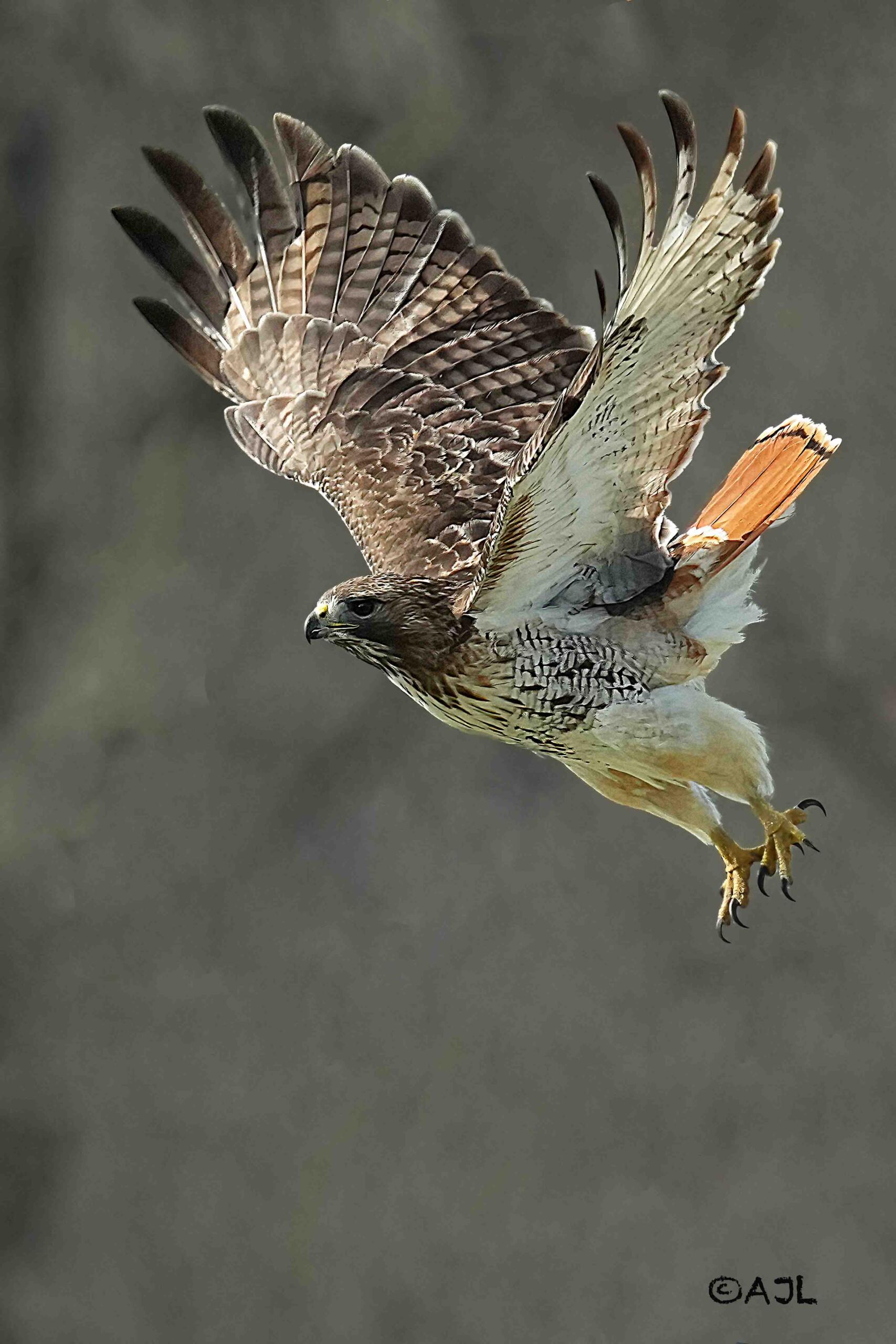
3. Plant native—and resist the urge to over-tidy.
If you hope to see warblers and finches in your yard this spring, start with native plants. DiBella-Lenaway emphasizes planting trees and shrubs that provide nourishment and shelter, including oaks, dogwoods, serviceberry and other berry-producing species.
She also makes the case for leaving some “mess” behind. While brush piles, logs and standing dead trees might not win any beauty contests, they do provide critical habitat, including cavities where birds raise their young.
4. Set feeders up for success.
Feeder placement plays a major role in keeping birds safe, DiBella-Lenaway says. Position feeders in open areas where predators can’t hide, but make sure trees or shrubs are close enough to offer a quick escape. Pole-mounted feeders with baffles can help keep squirrels and other animals away from the food.
She also points to another major factor to consider in backyard bird safety: domestic cats.
“Keeping cats indoors is huge,” DiBella-Lenaway says, noting they are among the leading predators of songbirds.
5. Provide clean water, not just food.
Reliable access to clean water can be a lifeline for birds. Fresh water supports drinking, cooling and preening, and it becomes especially valuable during periods when natural sources are limited.
DiBella-Lenaway recommends refreshing the water in bird baths every few days to prevent illness, and she notes that simple add-ons — like small heating elements — can keep them usable during freezing weather.
Small efforts like these can lead to something bigger: a deeper connection to the natural world just outside the door.
“We live in a complicated world,” says DiBella-Lenaway. “We have to protect and defend our little creatures.”

Curious to learn more? You can hear from DiBella-Lenaway during her presentation at the WNC Build and Remodel Expo, taking place March 21–22 at the WNC Agricultural Center’s Davis Event Center in Fletcher. Her session, “Designing a Bird Friendly Home and Yard,” is scheduled for Sunday, March 22, from 1:30 to 2:30 p.m. Attendees will be entered into a raffle featuring a bird feeder and other items donated by Wild Birds Unlimited.
The Expo includes short educational talks throughout the weekend, plus opportunities to connect with local experts about home and outdoor projects. General admission is $10 ($5 for seniors 65+, military, first responders, and educators), and kids 12 and under get in free. For more information and tickets, visit www.wncbuildandremodel.com.