


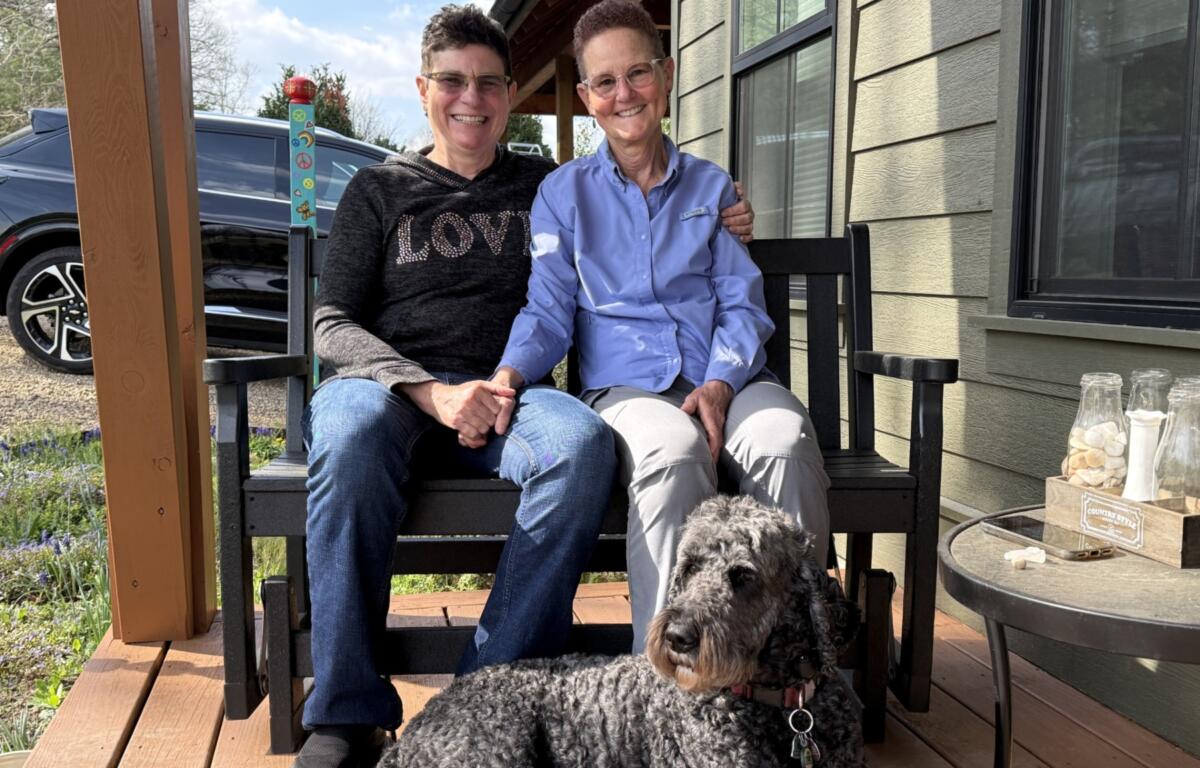

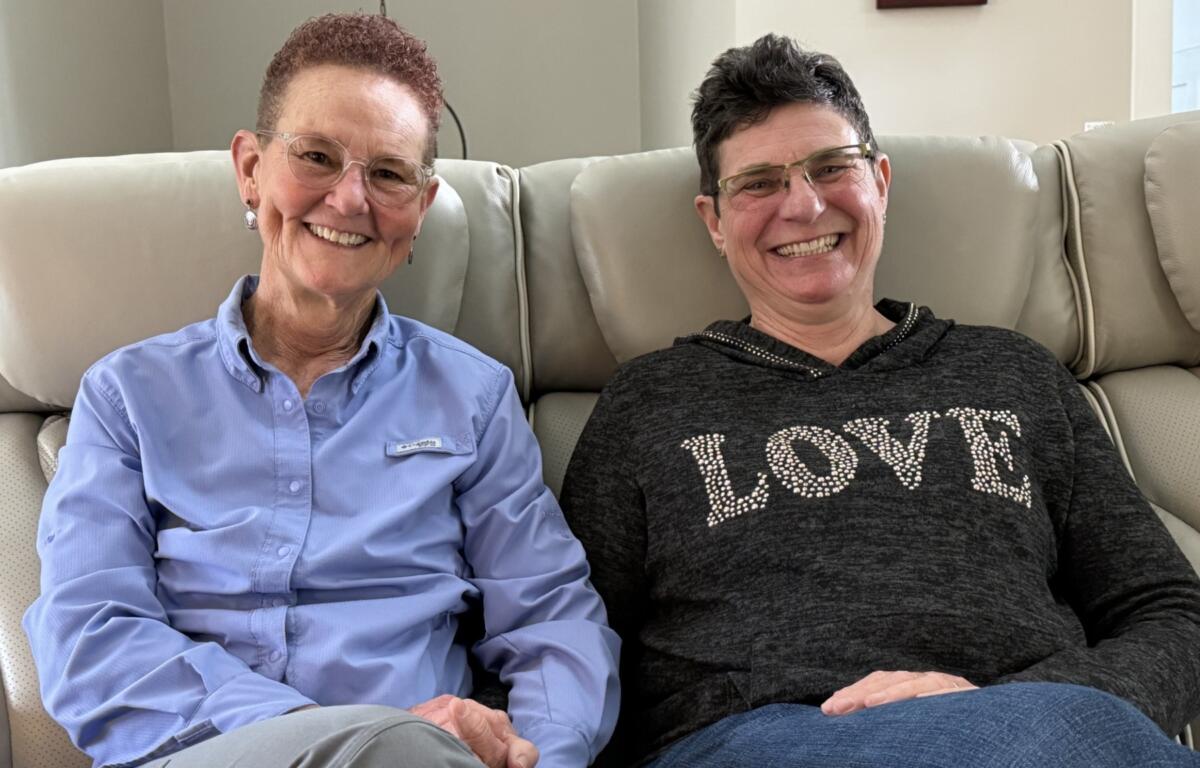
ASHEVILLE, N.C. (828newsNOW) — For Deb and Mary Love, March and April are more than awareness months — they mark a deeply personal journey through kidney disease and organ donation.
March marks National Kidney Month, focused on awareness and prevention of kidney disease. April is National Donate Life Month, highlighting organ donation. The Asheville couple’s story bridges both.
Deb Love, 63, was diagnosed with chronic kidney disease in 2008. Over time, the condition gradually worsened, bringing fatigue, migraines, swelling and other symptoms that intensified in the years leading up to a transplant.
“It was livable for a long time,” Deb said. “But about two years before the transplant, it got really bad.”
Her spouse, Mary Love, 63, stepped forward as a living donor. The couple, together for 29 years and living in the Asheville area for more than two decades, underwent a kidney transplant on May 9, 2025. Their one-year anniversary is approaching.
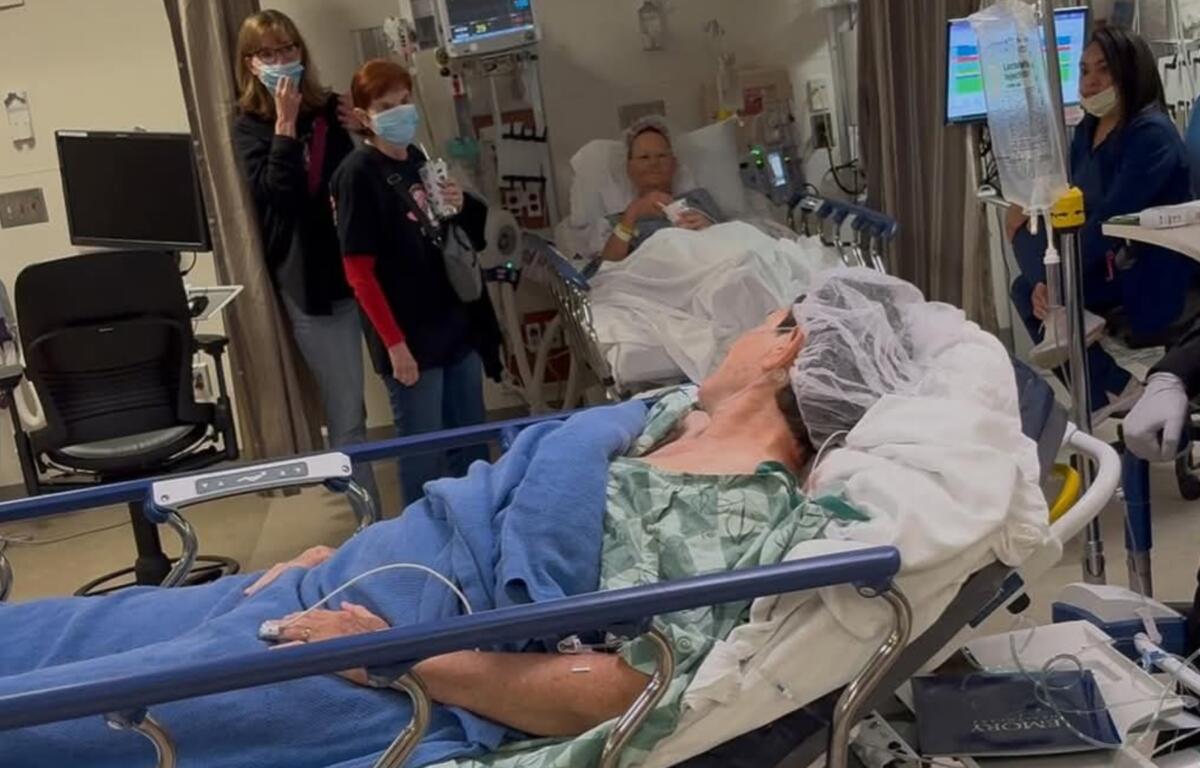
The path to surgery was lengthy and complex. Deb underwent months of medical evaluations, including cardiac testing, cancer screenings and psychological assessments. Mary completed similar testing to ensure she was healthy enough to donate.
“It took about a year to get everything done,” Mary said. “People don’t realize how much goes into it.”
Several others initially volunteered to be tested as potential donors, but most were ruled out because of health factors. Strict screening requirements are designed to protect donors, who must be in excellent health.
“There are a lot of things that can eliminate you right away,” Mary said. “They want to make sure the donor is going to be OK long term.”
Before the transplant, Deb made significant lifestyle changes, including altering her diet and stopping long-term use of anti-inflammatory medications believed to have contributed to her kidney decline. She also pursued alternative therapies in an effort to delay dialysis.
Despite severe kidney failure, she remained active until surgery, something she said put her condition into perspective afterward.
“I didn’t realize how bad I felt until after the transplant,” she said.
The surgery was performed at Emory University Hospital in Atlanta. Within days, both were recovering well, and within weeks they returned home to Western North Carolina.
Since the transplant, both say daily life has changed in significant ways.
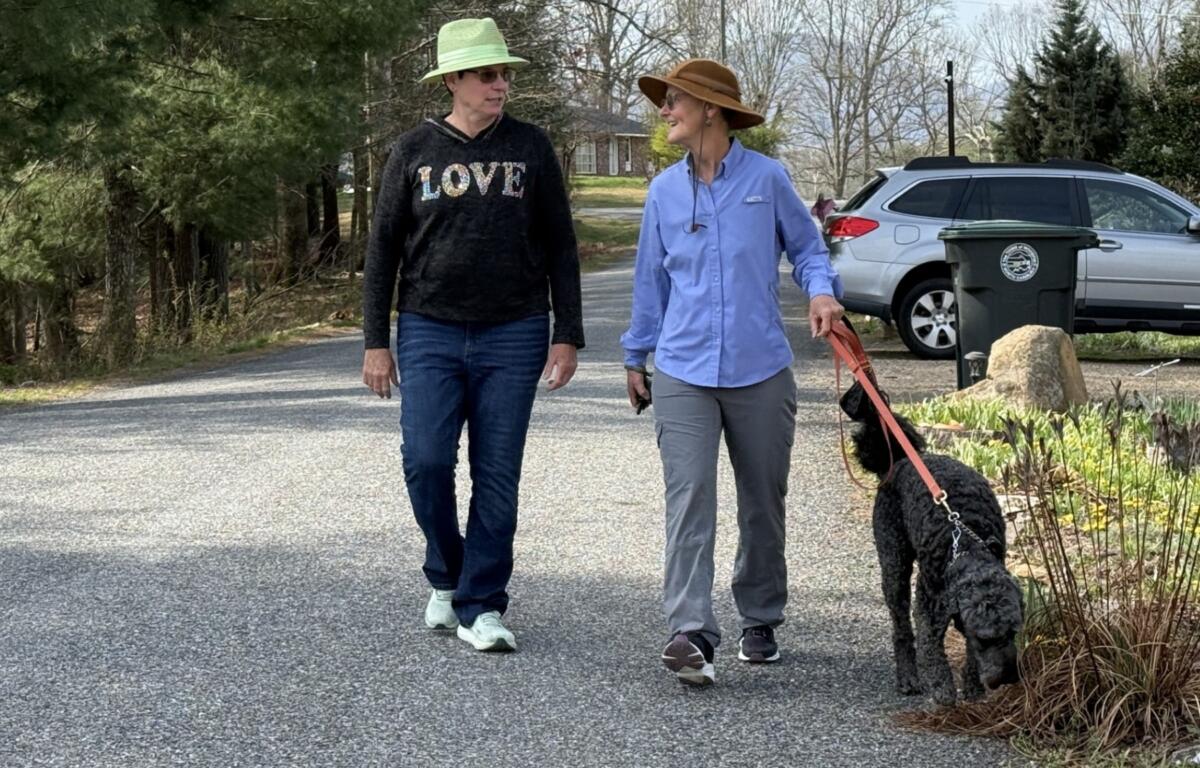
Deb said her energy levels have rebounded after years of anemia and fatigue. She now walks between 2 and 5 miles a day, has resumed light exercise such as stretching and yoga, and recently returned to routine activities like mowing the yard.
“I feel better than I have in at least 20 years,” she said.
She is also able to eat a normal diet again after years of restrictions, a change she said felt immediately.
One of her first meals after surgery was a cheese omelet — something she had avoided while managing kidney disease.
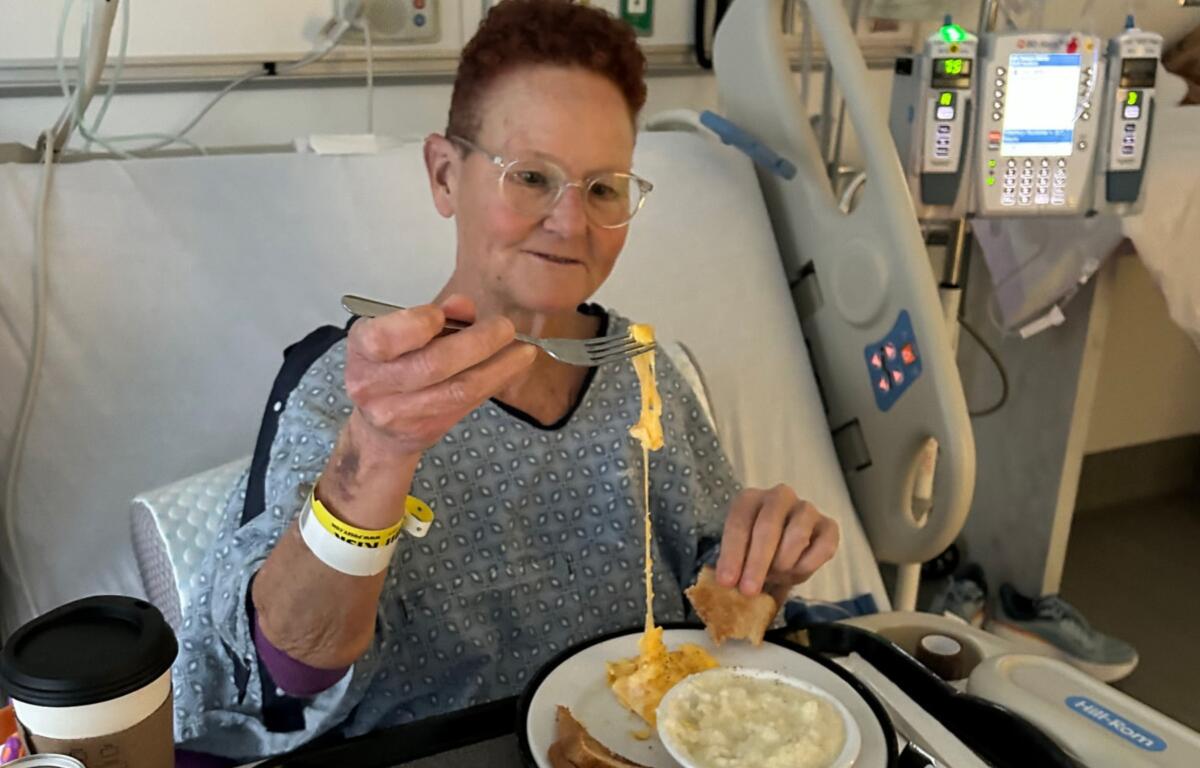
At the same time, the transplant has required lifelong adjustments. Deb now takes immunosuppressant medications to prevent organ rejection and receives regular IV infusions. Those medications weaken the immune system, making her more vulnerable to illness.
As a result, the couple has had to limit time in large crowds, avoid people who are sick and take precautions in public settings.
“It’s kind of like going back to COVID precautions,” Mary said.
The changes have affected travel and social routines. The couple, who previously took international trips, now avoid airports and crowded destinations. They also skipped family gatherings during peak cold and flu season and have not attended events like concerts or indoor services where exposure risk is higher.
Sun exposure is another concern. Because of the medications, Deb faces a higher risk of certain cancers and must limit time in direct sunlight.
There are also day-to-day precautions at home. She avoids handling animal waste and takes extra care when working around animals, including wearing protective gear when tending to her horse.
Beyond the physical changes, the couple said the experience has brought some unexpected personal shifts.
Deb said she has noticed changes in her personality since receiving Mary’s kidney, becoming more direct and adopting some of her spouse’s mannerisms and speech patterns.
“She’s more to the point,” Mary said, laughing. “And now I hear myself when she talks sometimes.”
Deb said even small things — like the way she pronounces certain words — have changed, something the couple laughs about.
“It’s like I’ve got a piece of her with me, because I do,” she said, getting more serious. “She gave me my life back.”
Mary said her own recovery as a donor required several weeks of restricted activity and a few months of fatigue, but she has not experienced lasting health issues.
“The biggest thing is just giving yourself time to recover,” she said.
The couple said the experience has also reshaped their perspective.
“We live with a lot more gratitude now,” Deb said. “The small things don’t matter as much.”
They said the process also revealed a strong network of support from friends, family and neighbors, who helped with everything from caregiving to household tasks during recovery.
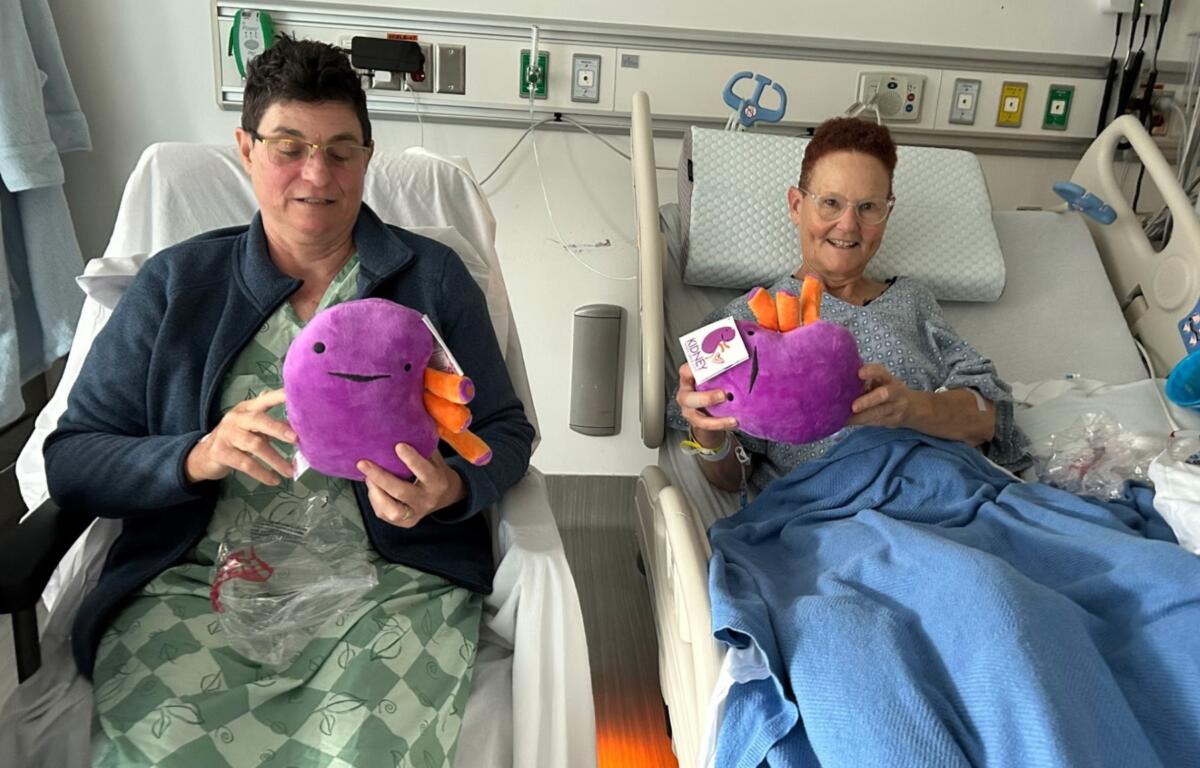
The Loves hope sharing their story will encourage others to consider organ donation, whether for a loved one or a stranger.
“It’s a process, and it takes time,” Mary said. “But compared to giving someone their life back, it’s a small thing.”
According to the U.S. government, thousands of people remain on transplant waiting lists nationwide, with kidneys among the most needed organs. Living donation can shorten wait times and improve outcomes, particularly for patients who receive a transplant before needing dialysis.
For the Loves, the outcome has been life-changing.
“I’ve got her kidney,” Deb said. “And I’m taking good care of it.”