


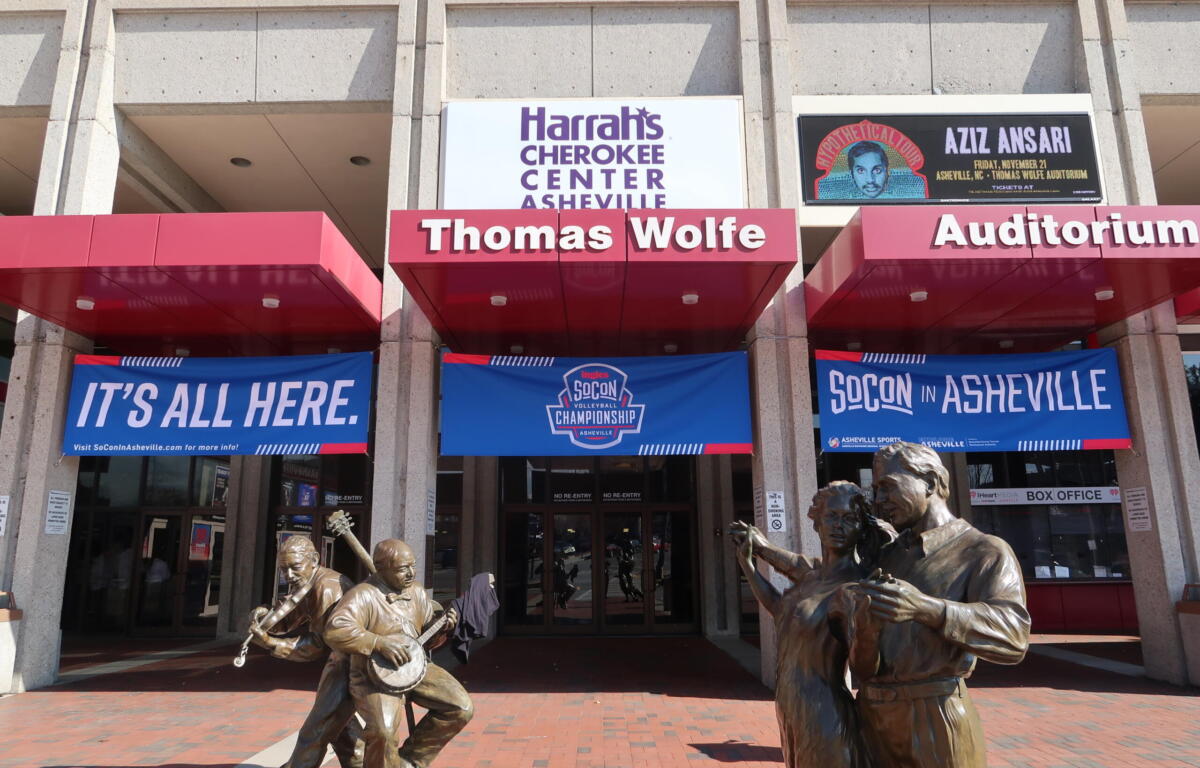

ASHEVILLE, N.C. (828newsNOW) — With downtown venues drawing steady crowds and city leaders weighing major investments in entertainment infrastructure, Asheville — a mountain city built on music and art — is once again revisiting plans for a new performing arts facility near the heart of the city.
The Asheville City Council recently reserved city-owned land in the Parkside area for up to two years while officials explore the possibility of developing a large-scale arts and entertainment facility. The site near City Hall and Pack Square Park has long been considered a potential location for a new performing arts center.
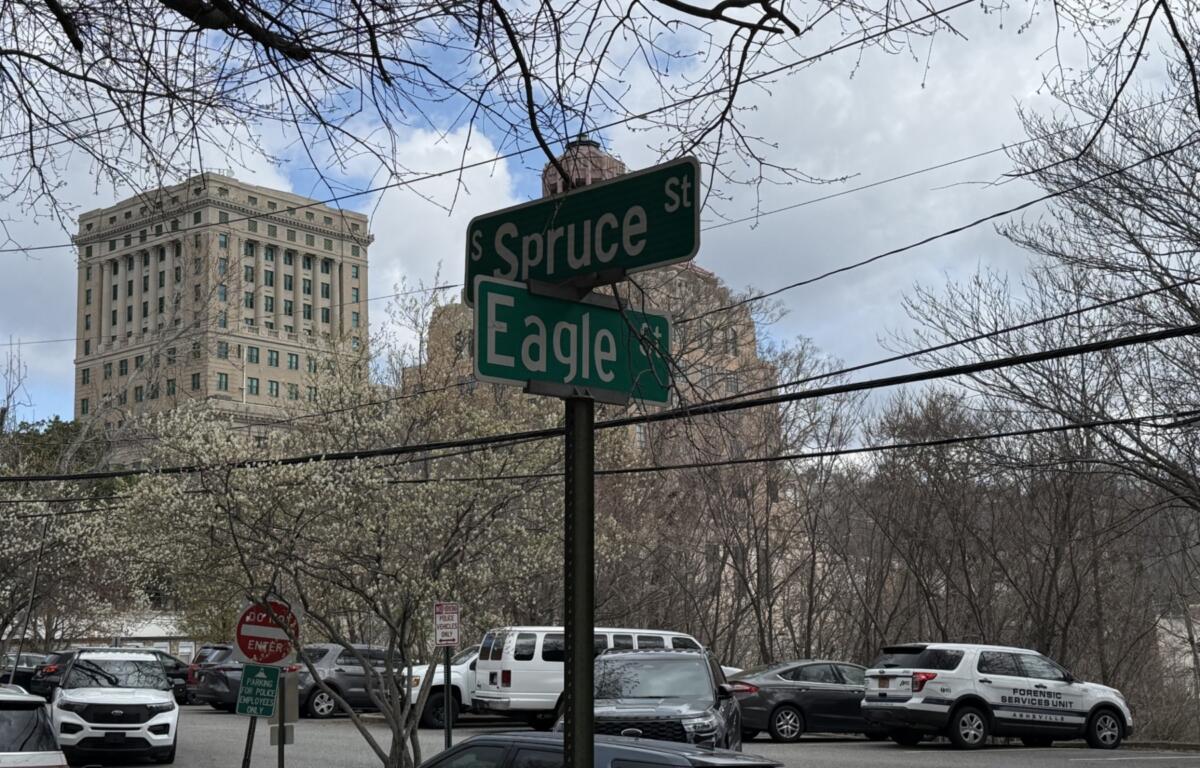
The renewed effort follows years of discussion about the aging Thomas Wolfe Auditorium, which city officials say no longer meets the needs of some modern touring productions. The venue closed for nine months in 2023 after a major HVAC failure.
A city task force later estimated renovation costs between $105 million and $150 million and concluded in 2024 that upgrading the facility for Broadway-scale productions was not financially feasible.
“We are actively pursuing a new performing arts center in partnership with ATG Entertainment,” Community & Regional Entertainment Facilities Director Chris Corl said. “We’re working to figure out a definitive agreement on how that structure can work and how we could finance a project like that.”
Corl said the current auditorium limits the types of productions Asheville can attract.
“We don’t do any Broadway because we literally can’t fit them on the stage anymore,” he said. “The stage is so small.”
The idea of a new performing arts venue in Asheville dates back nearly two decades. City leaders first began exploring the concept in 2006, but momentum stalled over the years because of funding and planning challenges.
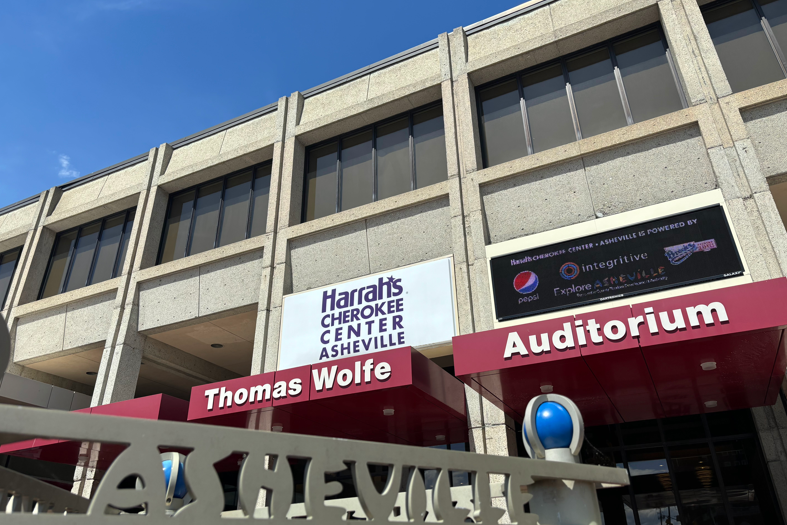
Harrah’s Cherokee Center continues to draw large crowds
While plans for a new venue move forward, Corl said Asheville’s existing facilities remain a major driver of events and tourism.
The city estimates more than 1.5 million people annually attend events across facilities managed by the Department of Community & Regional Entertainment Facilities, including Harrah’s Cherokee Center – Asheville, the WNC Nature Center, Home Trust Park, Aston Park Tennis Center and the John B. Lewis Soccer Complex.
Corl said attendance has remained relatively steady since the pandemic, despite disruptions from COVID-19 and Tropical Storm Helene.
“There’s been dips in some areas but gains in others,” he said. “When you lump all of it together, it has been pretty consistent at roughly 1.5 million people.”
Harrah’s Cherokee Center underwent major renovations between 2012 and 2014, changes Corl said significantly expanded what Asheville could host.
“We actually removed what was known as the ice plant,” he said, referring to equipment once used for hockey events. “We converted all of the back-of-house space and did a pretty solid upgrade around the building.”
Those improvements allowed the venue to accommodate larger touring productions and events that previously bypassed Asheville.
“Some of those really big eight- to 10-truck shows wouldn’t have fit in the old room,” Corl said. “I’m thinking about shows like Tame Impala, Noah Kahan and Slayer. Those productions take up a lot of space.”
The upgrades also helped bring back the Southern Conference Basketball Tournament and positioned the city to compete for other major sporting events.
“That set us up to be able to bid on and secure our own sporting events and these larger concerts,” Corl said. “It allows flexibility in the type of programming we can go after.”
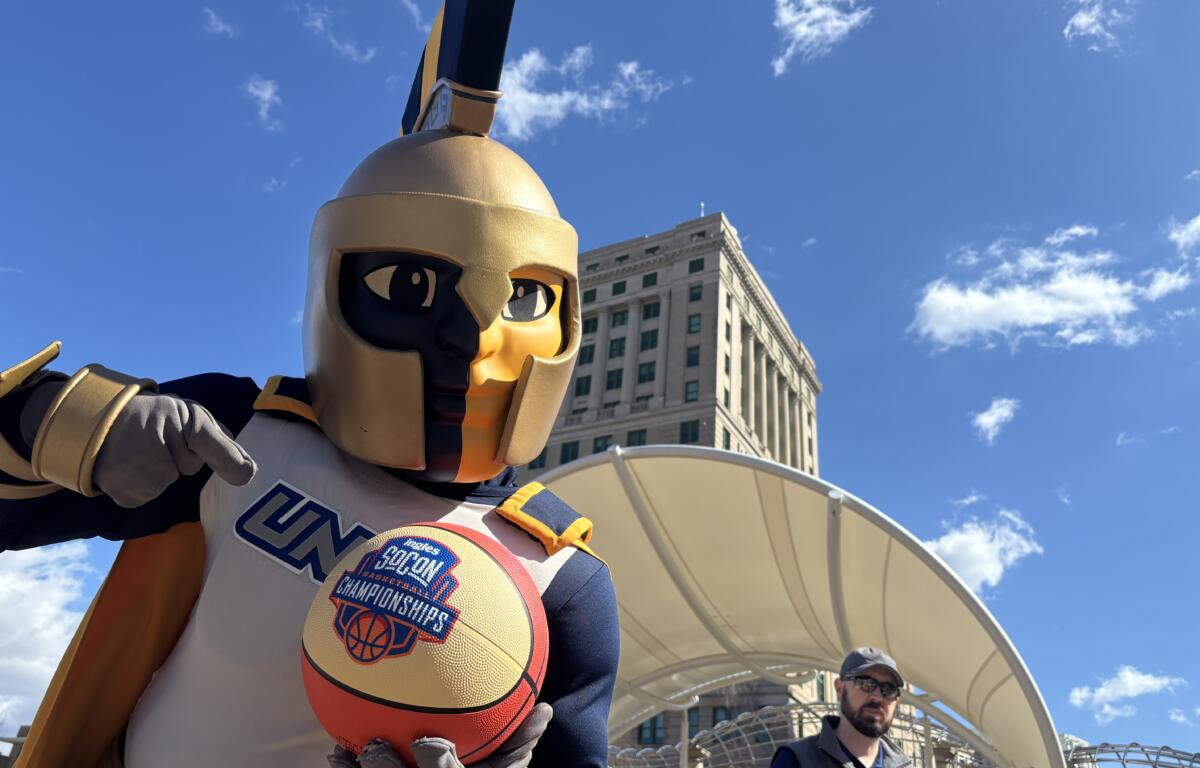
How Asheville competes for concerts and events
Corl said securing concerts involves coordination among artists, agents, promoters and venues, with Asheville competing nationally for tour stops.
“If a band wants to go out for 50 shows, they’ll try to find a route through the country efficiently,” he said. “Then the agent reaches out to venues or promoters about availability, and we start putting offers together.”
Sporting events typically involve a more formal bidding process.
“We’ll respond with our best offer, kind of like when you’re trying to buy a house,” Corl said.
He said about 75 percent to 80 percent of attendees at major concerts and sporting events come from outside the region.
“When you focus on concerts and big sporting events, it’s very heavily visitor-driven,” he said.
Other city facilities serve more local audiences. Corl said the soccer complex primarily serves area families, though tournaments bring in out-of-town teams, while the WNC Nature Center sees a more balanced mix of residents and visitors, depending on the season.
Golf course recovery continues after Helene
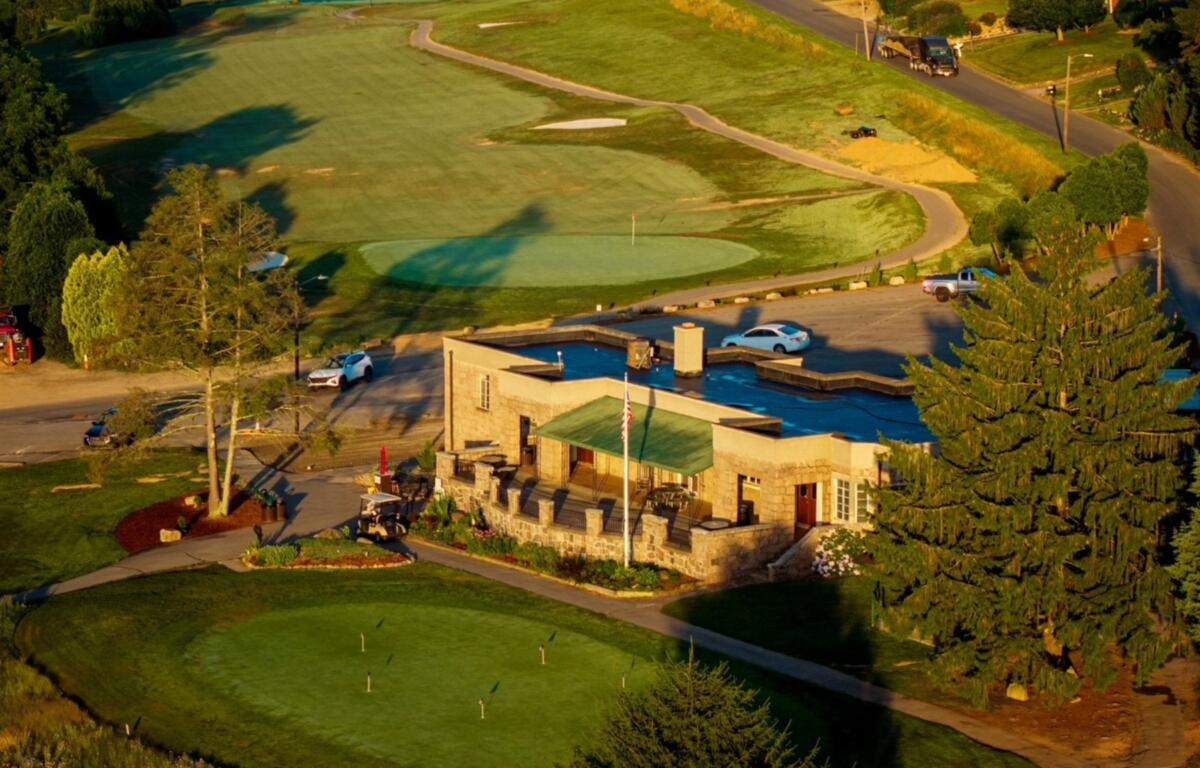
The city is also continuing recovery work at Asheville Municipal Golf Course after major flooding from Tropical Storm Helene.
Corl said the course reopened as a nine-hole operation about a month after the storm, but a full rebuild remains in the design and FEMA approval process.
“It feels slow just because it’s such a big project,” he said. “But it’s on pace and on the timeline that we expected so far.”
Construction could begin in 2027, though Corl said the timeline depends on permitting and federal approvals.
Asheville’s broader appeal
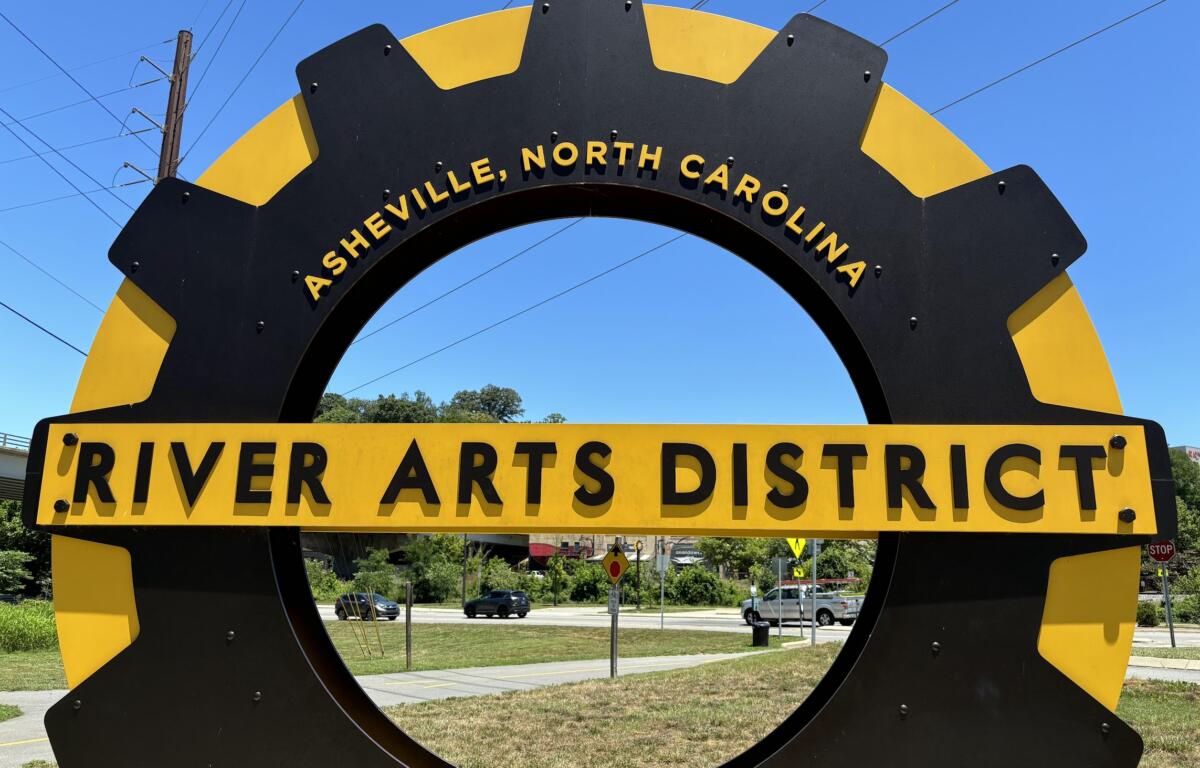
Despite ongoing recovery efforts and long-term planning discussions, Corl said Asheville’s combination of music, arts and outdoor recreation continues to define its identity.
“The music scene, restaurant scene and art scene are all distinct,” he said. “Everything is truly one of a kind.”