


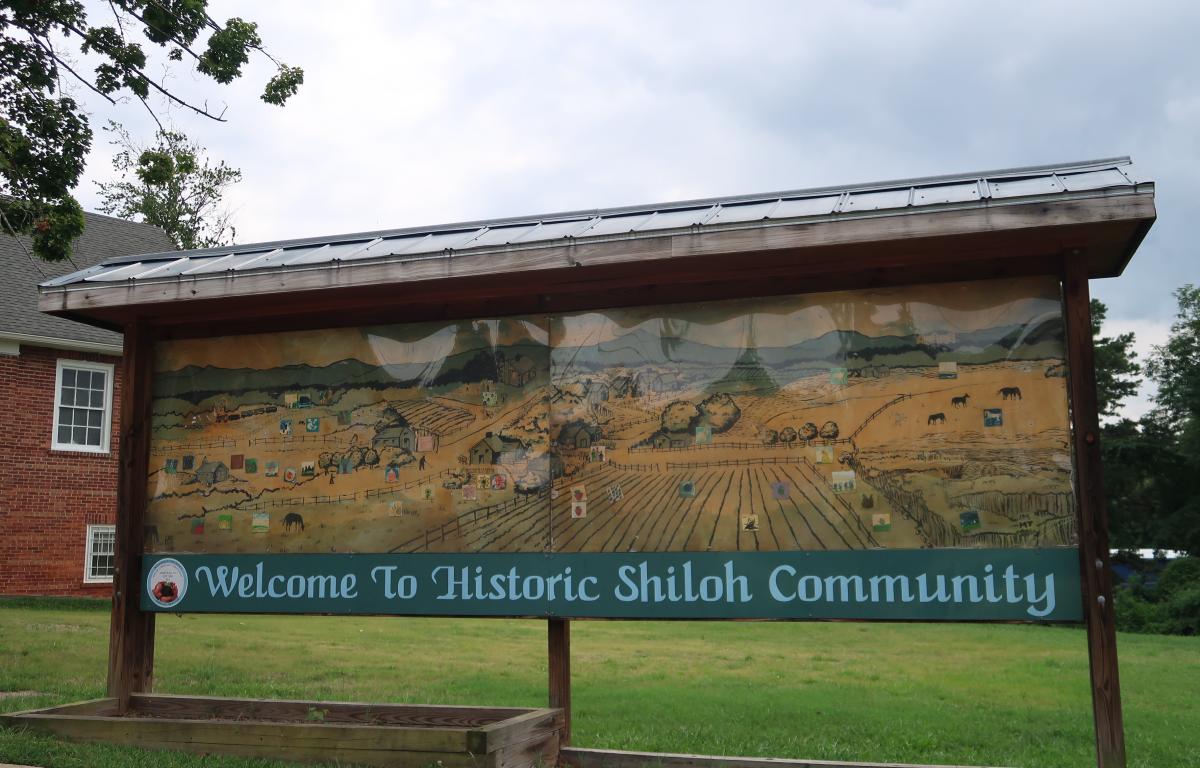

ASHEVILLE, N.C. (828newsNOW) — The Asheville City Council voted unanimously Tuesday night to deny a rezoning request that would have allowed a 100-unit affordable housing development on Caribou Road, capping a lengthy public hearing filled with concerns from Shiloh neighborhood residents and a divided debate over density, infrastructure and community impact.
Project would add 100 affordable units
The proposal for 99999 Caribou Road would have rezoned about 9.5 acres from Residential Single-Family Medium Density (RS-4) to Residential Expansion Conditional Zoning, allowing construction of a mix of multifamily and townhome-style housing.
Developers with Pennrose LLC proposed two three- and four-story apartment buildings, four quadplex-style buildings and a clubhouse as part of the project, which was designed to include 100 income-restricted units.
City staff recommended approval, saying the project aligned with Asheville’s comprehensive plan, would increase housing supply and was consistent with nearby residential and multifamily uses.
Residents raise concerns about traffic, safety and scale
During a lengthy public hearing, Shiloh-area residents and nearby property owners focused heavily on traffic impacts, pedestrian safety and whether the project’s scale fits the surrounding neighborhood.
Speakers said the proposed three- and four-story buildings would not transition well to nearby single-family homes and raised concerns about narrow roads, emergency access and increased traffic volumes.
“A single car accident on a pedestrian is life-altering,” one resident said, pointing to concerns about limited sidewalks and road capacity.
Others said notification for the project did not reach all impacted residents and argued the outreach process was too limited given the size of the development.
Neighborhood identity and equity concerns surface
Some speakers tied the proposal to the history of Shiloh as a historically Black neighborhood, warning that large-scale redevelopment could further erode long-standing community stability and generational wealth.
“The city has already taken so much from the Black people of this city,” one resident said. “Let them keep what’s left.”
Others said the project would reduce green space, increase density beyond what the area can support and alter the character of the neighborhood.
Supporters cite broader housing shortage
Not all testimony was opposed. Some speakers said Asheville’s housing shortage requires additional density and argued that limiting development in established neighborhoods shifts pressure elsewhere in the city.
“When we allow some neighborhoods to limit their share of the burden, it displaces our burden somewhere else,” another speaker said.
Council says site is not the right fit
After public comment, council members debated whether the project aligned with the city’s housing goals and whether the site was appropriate for the proposed density.
One council member said they were “hyper-protective” of legacy neighborhoods like Shiloh, adding that the vote was not a rejection of affordable housing in general.
“I’m going to be voting against this project tonight,” the member said. “It’s not because of traffic.”
Another council member said they supported affordable housing efforts broadly but had concerns about whether the site could accommodate the development as proposed.
Rezoning denied unanimously
Council members also referenced ongoing discussions about housing distribution and future zoning updates as part of broader planning efforts.
The motion to deny the rezoning passed unanimously, leaving the property zoned RS-4 and effectively halting the current proposal unless a new application is submitted.