


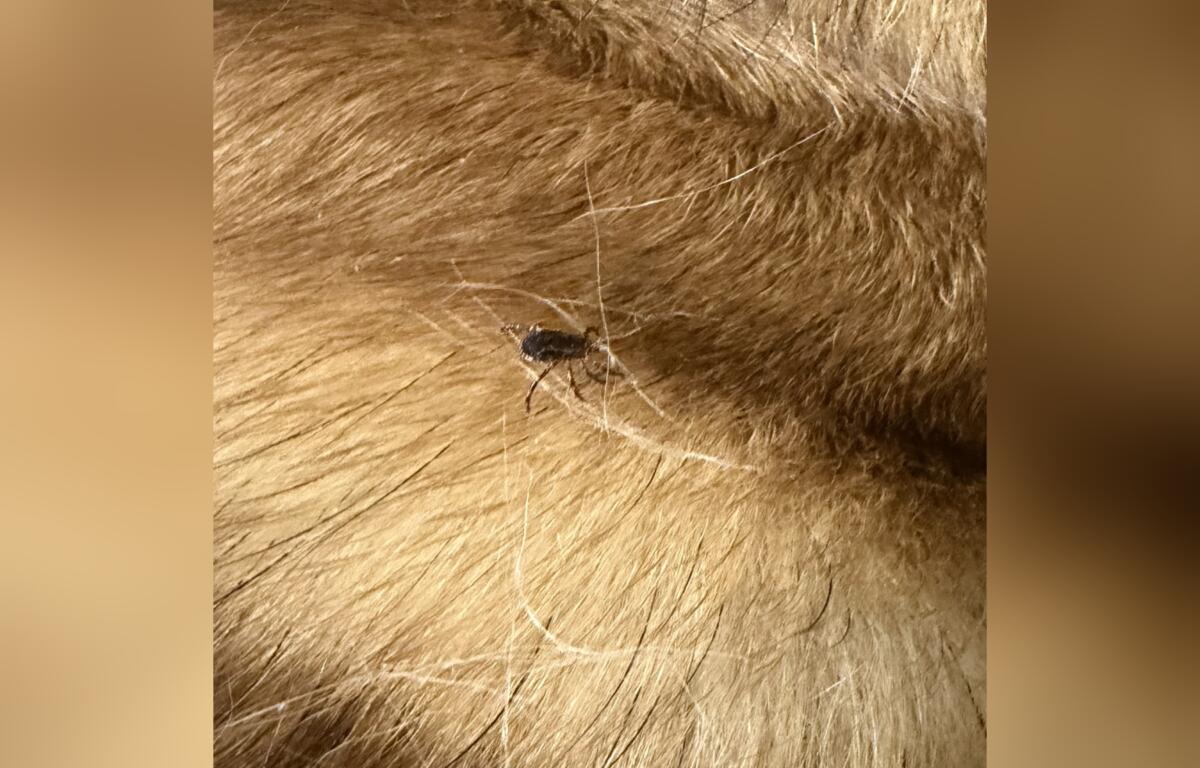

ASHEVILLE, N.C. (828newsNOW) — As warmer weather draws people outdoors across Western North Carolina, health providers and local officials are warning that tick season is ramping up, with more residents reporting bites on both pets and people after hikes, yard work and time outside.
Urgent care clinics in the region say they typically see an uptick in tick-related visits this time of year, especially as families return to trails, gardens and summer activities.
“Outdoor season = tick season,” AFC Urgent Care South Asheville noted in a recent public advisory, urging people to check themselves, children and pets after spending time outside. The clinic said it evaluates tick bites, provides testing when appropriate and offers treatment for patients concerned about possible infection.
Health officials say the concern is not just the bite, but the diseases ticks can carry, including Lyme disease, ehrlichiosis and Rocky Mountain spotted fever. Symptoms can include fever, rash, fatigue and flu-like illness, and in some cases can become serious if not treated promptly.
A recent regional research effort underscores those concerns. According to reporting by Asheville Watchdog, from late 2024 through last summer, researchers collected ticks from lawns in Biltmore Forest homes, with residents also submitting ticks removed from themselves and pets. Specimens of Ixodes scapularis, commonly known as the blacklegged or deer tick, were sent to a Centers for Disease Control and Prevention lab in Colorado for Lyme disease testing, while other samples were analyzed by participating universities for additional pathogens.
The findings showed that about one-third of blacklegged tick pools tested positive for Borrelia burgdorferi, the bacterium that causes Lyme disease, a higher rate than researchers expected, Asheville Watchdog reported.
Prevention guidance from local and state agencies emphasizes simple precautions: avoiding tall grass and brush, walking in the center of trails, wearing long sleeves and pants tucked into socks and using EPA-approved insect repellents containing DEET or picaridin. Officials also recommend showering within two hours of being outdoors and performing full-body tick checks, especially underarms, behind knees, around the waist and in hair.
Public health agencies across Western North Carolina, including Buncombe and Haywood counties, have also reminded residents that ticks are small but can carry significant health risks. They stress prompt removal using fine-tipped tweezers, pulling straight upward without twisting, and cleaning the bite area afterward with soap or alcohol.
Some medical professionals also encourage people to save the tick after removal in case symptoms develop later. One widely shared guidance from a medical practitioner notes that placing a tick on tape with the date and location of the bite can help doctors assess potential exposure if illness follows in the weeks after a bite.
Experts say early evaluation is important if symptoms appear after a bite. Fever, chills, headache, body aches or a rash should prompt a call to a health care provider.
In some cases, doctors may recommend preventive antibiotics depending on the type of tick, how long it was attached and how quickly treatment can begin. However, health officials emphasize that most tick-borne illnesses are treatable, especially when caught early.
The North Carolina Department of Health and Human Services also continues to urge residents to “Fight the Bite,” noting that warmer months bring increased activity from ticks and mosquitoes statewide. Officials say consistent prevention and quick action after bites remain the best defense.
As outdoor activity increases heading into summer, health providers say awareness is key.
“Simple steps can go a long way,” state health officials said in a recent advisory. “Use repellent, wear protective clothing, check for ticks after being outdoors and don’t ignore symptoms after a bite.”
Ways to protect yourself from ticks
- Avoid walking through tall grass, brush, and heavily wooded or overgrown areas when possible
- Stay in the center of hiking trails rather than brushing against vegetation
- Wear long sleeves, long pants and closed-toe shoes when outdoors
- Tuck pants into socks or boots to reduce exposed skin
- Use EPA-approved insect repellents containing DEET or picaridin on exposed skin
- Treat clothing and gear with permethrin for added protection
- Perform full-body tick checks immediately after being outdoors
- Pay close attention to hidden areas like underarms, behind knees, around the waist and in the hairline
- Shower within two hours of coming indoors to help wash off unattached ticks
- Check pets regularly after outdoor time and use veterinarian-recommended tick prevention products
- Keep grass cut short and remove leaf litter and brush around your home to reduce tick habitats
- If a tick is found, remove it promptly with fine-tipped tweezers, pulling straight upward without twisting
- Clean the bite area with soap, water or alcohol after removal
- Monitor for symptoms like fever, rash, fatigue or body aches in the days and weeks after a bite and seek medical care if they appear
Ways to protect pets from ticks
- Use veterinarian-recommended tick prevention products (oral medications, collars, or topical treatments) year-round or as advised
- Check pets for ticks daily, especially after walks, hikes, or time in grassy or wooded areas
- Pay close attention to areas like ears, neck, between toes, under the collar and around the tail
- Keep pets on leash or close control in tall grass, brush, and wooded areas
- Avoid letting pets roam through dense vegetation or leaf litter where ticks thrive
- Maintain a well-groomed yard by mowing grass regularly and removing brush, leaves and debris
- Talk with your veterinarian about the best tick prevention plan for your pet’s size, age and health status
- Bathe and groom pets regularly during tick season, especially after outdoor activities
- Use tick combs to help detect and remove ticks early from fur
- Remove any attached tick promptly using fine-tipped tweezers or a tick-removal tool, pulling straight out
- Monitor pets for signs of tick-borne illness such as lethargy, loss of appetite, fever, or joint pain
- Seek veterinary care promptly if you notice symptoms or if a tick has been attached for an extended period
Ways to protect your yard from ticks
- Keep grass cut short and mow regularly, especially along edges and fence lines
- Remove leaf litter, brush piles and yard debris where ticks and rodents hide
- Trim shrubs and low-hanging branches to reduce shaded, humid areas
- Create a dry buffer zone of wood chips, gravel or mulch between wooded areas and lawn
- Stack firewood neatly and keep it elevated off the ground
- Discourage wildlife like deer and rodents by securing trash and avoiding outdoor pet food
- Install fencing if needed to reduce deer access to your yard
- Keep play areas, patios and seating areas away from dense vegetation
- Consider using EPA-approved yard sprays or professional tick control treatments when appropriate
- Maintain sunny, well-ventilated areas since ticks prefer cool, moist environments
- Regularly inspect and manage areas where pets frequently roam or rest outdoors
Natural items that may help deter ticks
Here’s a list of natural or lower-chemical options people sometimes use to help deter ticks in yards and around outdoor spaces. Evidence varies — some are better supported than others, and most work best as part of a broader prevention plan rather than alone.
- Diatomaceous earth (food-grade): A fine powder made from fossilized algae that can help dehydrate and damage small arthropods like ticks when they contact it in dry areas. Often used around yard edges, pet resting spots, and cracks. It must stay dry to remain effective.
- Lavender: The scent is commonly reported to repel ticks and other insects. Often used in plantings or diluted essential oil sprays (used cautiously around pets).
- Cedar (wood or oil): Cedar chips or cedar oil are frequently used in landscaping and natural pest products. Cedar oil is sometimes applied in yard sprays.
- Lemongrass: Contains citronella compounds that may help deter ticks and mosquitoes; often planted or used in essential oil blends.
- Rosemary: A hardy herb that can act as a mild deterrent when planted in yards or used in natural sprays.
- Mint (peppermint or spearmint): Strong scent may help repel ticks; commonly used in essential oil mixtures.
- Eucalyptus oil: Sometimes used in diluted sprays for yard edges or clothing; strong scent may discourage ticks.
- Neem oil: Derived from the neem tree; used in some natural pest control products and sprays for yards and pets (use cautiously and follow safety guidance).
- Garlic (planting or spray mixtures): Sometimes used in natural pest-control folklore and homemade sprays, though scientific evidence is limited.
- Chrysanthemum-derived compounds (pyrethrins): Naturally occurring insecticidal compounds found in chrysanthemums; used in some “natural” tick sprays (note: still a pesticide, even if plant-based).
Note: Natural options can help reduce tick presence but do not provide complete protection on their own. They work best when combined with yard maintenance (like mowing, removing leaf litter and creating dry buffer zones) and personal prevention steps.