
Editor’s Note: Western North Carolina is rich with untold stories—many resting quietly in local cemeteries. In this Tombstone Tales series, we explore the lives of people from our region’s past whose legacies, whether widely known or nearly forgotten, helped shape the place we call home.
ASHEVILLE, N.C. (828newsNOW) — Long after Biltmore Estate was built, a piece of its limestone found a second life in Riverside Cemetery.
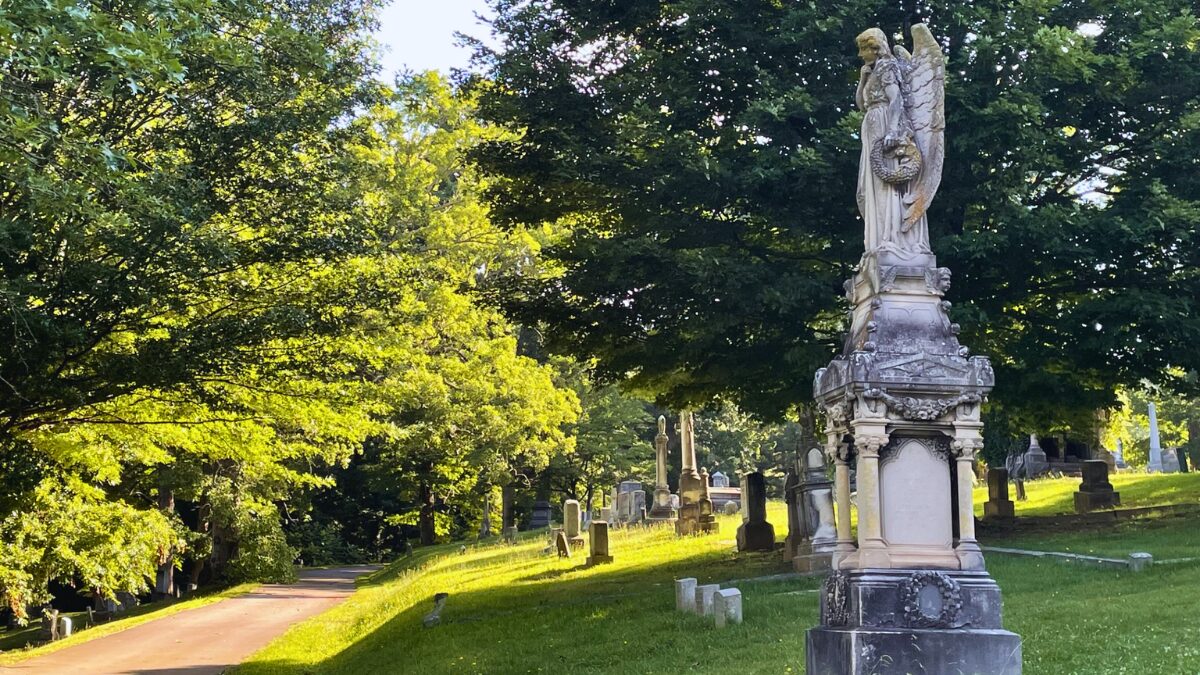
The stone became one of the cemetery’s most recognizable monuments: a solemn angel overlooking the Buchanan family plot. Known as the Buchanan angel, the monument is a lasting link between Asheville’s most famous mansion and one of its historic burial grounds.
Known as the Buchanan angel, the monument marks the resting place of Asheville businessman James Alexander Buchanan and members of his family. Buchanan operated a 19th century wholesale grocery business as Asheville grew from a small mountain town into a thriving commercial center.
Following Buchanan’s death in 1902, his family commissioned an elaborate memorial unlike most found in local cemeteries at the time.
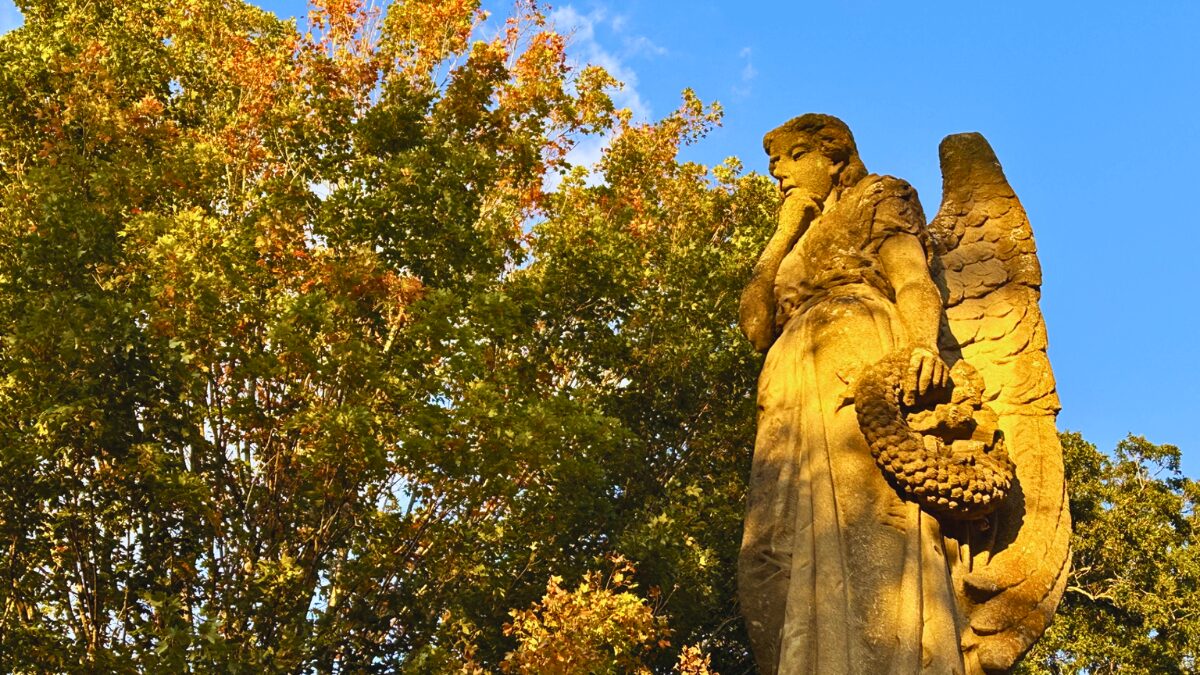
The angel was carved by Fred Miles, a stone craftsman who was part of the workforce assembled by George Vanderbilt to help build Biltmore Estate.
When construction of Biltmore neared completion, leftover limestone from the massive project found a second purpose. Miles transformed a portion of it into the angel that overlooks the Buchanan plot.
During the Victorian era, cemetery monuments carried symbolic meaning. Angels represented protection and the hope of eternal life. The Buchanan monument reflects the tradition of wealthier families commissioning elaborate sculptures to honor loved ones and create lasting memorials.
The angel’s expression is solemn, capturing grief and remembrance.
Today, the sculpture serves as a reminder of an era when Asheville was changing rapidly.
The same years that saw the construction of Biltmore Estate also brought new businesses, rail connections and residents to the city. Families such as the Buchanans helped shape Asheville’s commercial growth, while craftsmen such as Miles left a lasting mark on its architecture and public spaces.
Many visitors arrive in Asheville each year to tour Biltmore Estate or explore the city. At Riverside Cemetery, some search for the graves of famous writers Thomas Wolfe or O. Henry. But they often leave remembering the Buchanan angel, which links one family’s loss to one of Asheville’s most significant chapters.
Carved from the same stone used to build America’s largest private home, the angel remains a physical connection between Biltmore Estate, Riverside Cemetery and the people who helped build both Asheville’s future and its memory.
-
Haunted Asheville and WNC: Ghost stories, eerie legends and mysterious places

From Asheville’s historic landmarks to mountain trails, old cemeteries and Appalachian folklore, explore the ghost stories and mysterious places that have become part of Western North Carolina’s history.
-
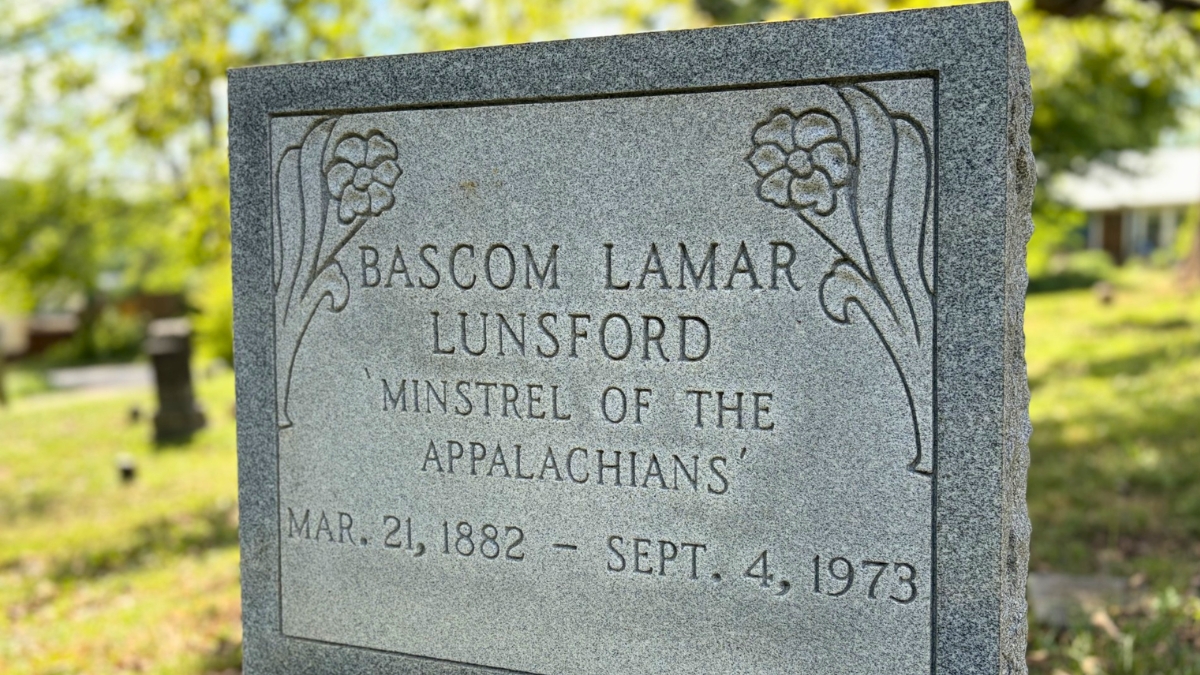
Tombstone Tales: Bascom Lamar Lunsford’s remarkable life

The Asheville lawyer, folklorist and festival organizer spent decades preserving Western North Carolina’s songs, dances and mountain traditions.
-
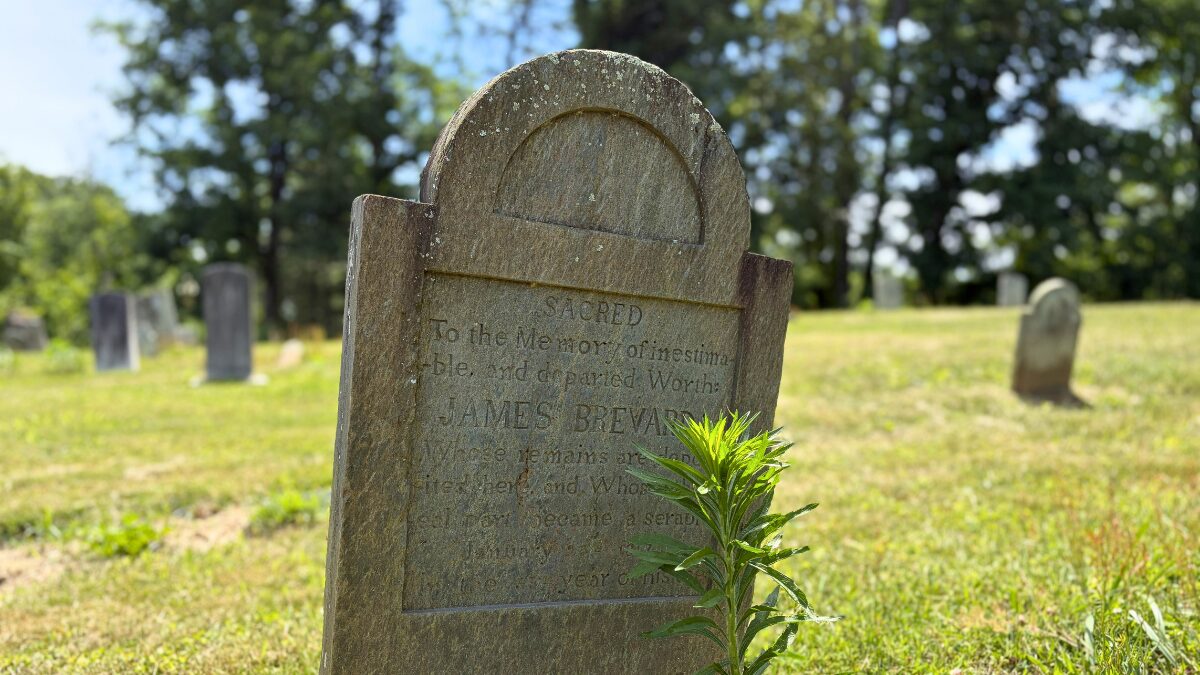
Tombstone Tales: A Fairview grave says James Brevard ‘became a seraph.’ Who was he?
Buried at Cane Creek Cemetery in 1847, the farmer, postmaster and state legislator left a public record that helps explain an extraordinary epitaph.
-
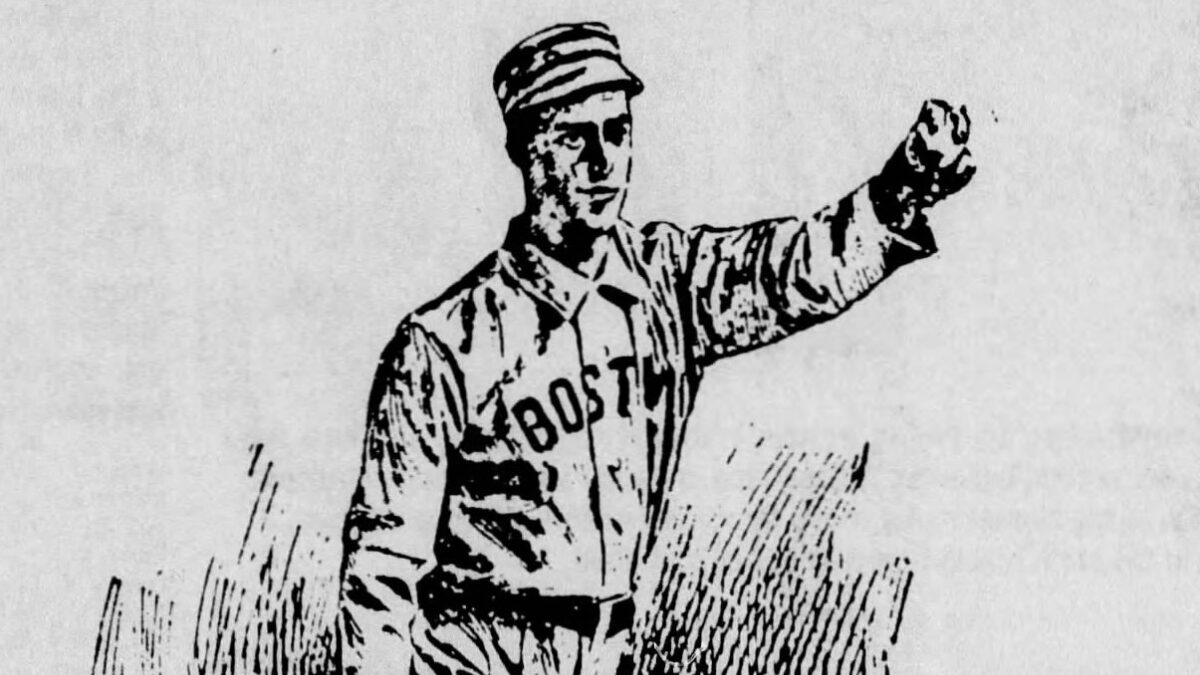
Tombstone Tales: The Reems Creek pitcher who played one game in the Major Leagues
Richard “Rome” Chambers became the first known Western North Carolina native to play Major League Baseball before returning home to Buncombe County, where he died just one day before his 27th birthday.
-
Tombstone Tales: A Revolutionary War veteran’s grave in Mitchell County tells a WNC story for July Fourth
At Kona Baptist Church Cemetery, a memorial to George Silver carries the story of American independence into the Toe River Valley and a family legacy deeply rooted in Western North Carolina.