


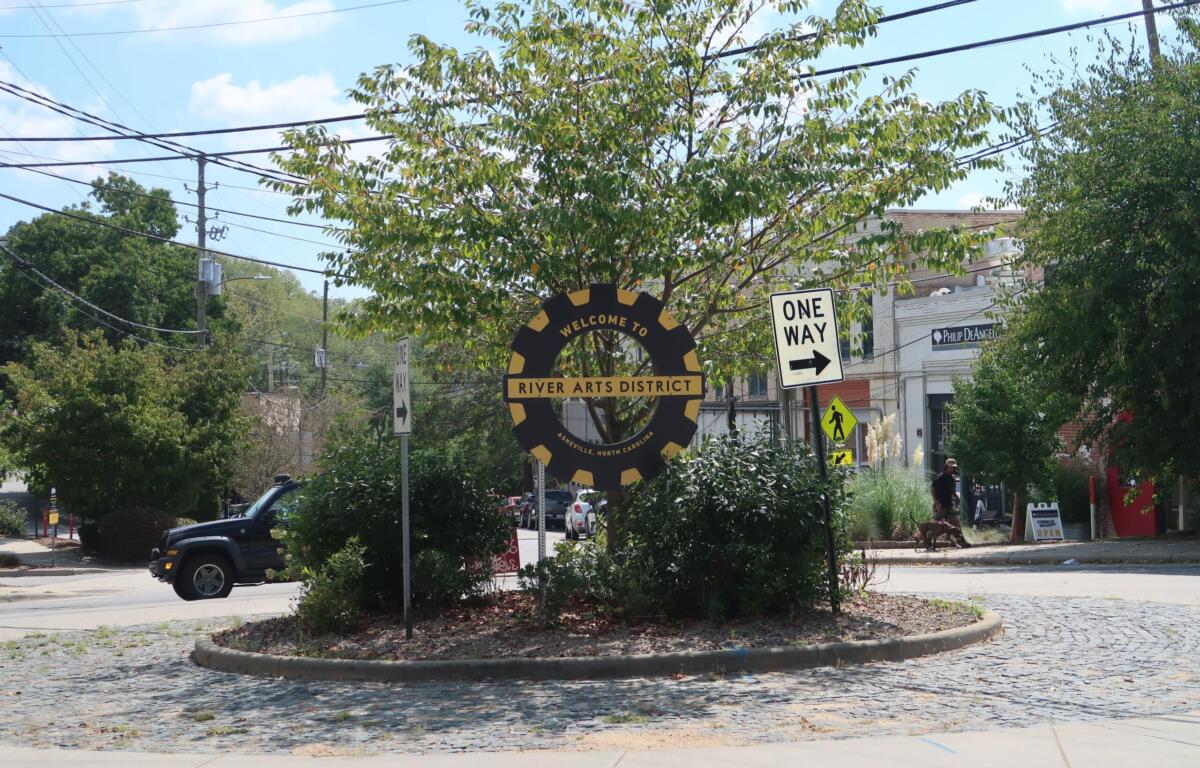

ASHEVILLE, N.C. (828newsNOW) — A massive new arts facility could be coming soon to the River Arts District. The RAD Creative Campus, a 36,000 square foot, two-building center for working artists, cultural activation and community engagement, is now in the works, officials say.
Creating a space by artists, for artists
The RADA Foundation is a 501(c)(3) nonprofit that works to support and advocate RAD artists through scholarship opportunities, the development of shared spaces and other forms of technical assistance. The mission of RADA Foundation only grew in the wake of Tropical Storm Helene, which devastated the RAD in September 2024, destroying artwork and studio space for many working artists.
“It wasn’t just about support for the artists that lost their studios. A lot of the artists that didn’t lose their studios were losing their sales,” said Kimberly Self Hundertmark, RADA Foundation executive director. “We’re still probably 30-50% down in sales, depending on the artist.”
The RAD Creative Campus was developed by RADA Foundation as a permanent home for RAD artists. Very few buildings in the district are owned by their creative tenants. Hundertmark explained that the RAD Creative Campus is designed to be a RAD location owned by artists, for artists.
“One of the issues we have in the RAD is that most of the spaces are not owned by artists, so artists are at the whims of the building owners. Now, that’s not to say… Most building owners are fabulous. Most building owners see the value of supporting artists in the RAD,” Hundertmark said. “But it’s different when it’s ownership.”
What goes into a creative campus
If all goes according to plan, the campus will span two former industrial buildings, which measure approximately 36,000 square feet, at 123 and 135 Lyman Street, one of the highest elevation points in the district.
One building would serve as a welcome center, offering tourists and other visitors a home base during their exploration of the district, and feature a revolving “flex space” that could house live music, theater and other multidisciplinary collaborations.
The second building would house offices for RADA Foundation and other area nonprofits, in addition to maker spaces for disciplines like woodworking, welding and ceramics. The industrial origins of the site would provide the means to maintain equipment for artists that either too expensive or too unwieldy to fit in regular studio space, like a kiln for a potter or a sandblaster for a glass artist.
“Within that is supporting the creative economy through creative manufacturing, and workforce training for creative manufacturing. Say you’re a potter and you do really cool mugs, and you would like to upscale your production,” Hundertmark said. “A hotel chain has said, we love your work, can you make us a thousand? We want to be a space in which they can make that happen.”
Timeline, cost and benefits
The RAD Creative Campus is still in the early stages of planning. According to Hundertmark, the facility could cost anywhere from $10-20 million. If the deal were to close, it would not be until around this time next year.
However, the benefits would far outweigh the cost, the director said.
“This will support those that weren’t able to come back [from Helene], but are still in the area, and every new artist. Let’s bump that up to 1,000 small art businesses in Western North Carolina. This community will support and help,” Hundertmark said. “It will be a draw for tourism, having a welcome center with an event space.”
The RAD Creative Campus would also serve as a resiliency hub in case of disasters like Helene, ensuring artists in the RAD are prepared to withstand storms and support one another and the city around them.
“Beyond just resiliency hub for the artists in the RAD, the long-term goal would be a resiliency hub for the surrounding communities as well,” Hundertmark said. “In a perfect world in which we received all the funding we could ever want, we would put about a million and a half into creating a resiliency hub that would offer electricity if the power went out. Would offer a space people could come charge anything. A place for community support, where we could gather and hand out supplies.”
In the meantime, the RAD is open for the community to explore. For more information about RAD studios and other businesses, visit www.riverartsdistrict.com.