


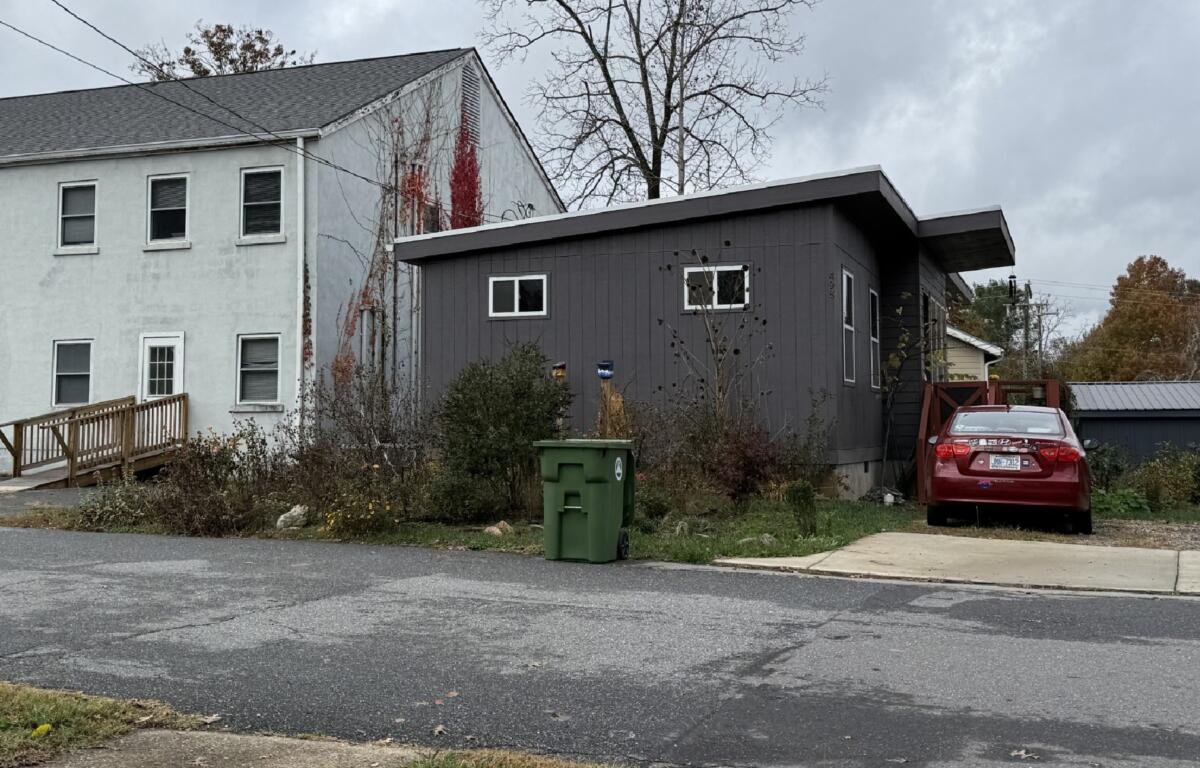

ASHEVILLE, N.C. (828newsNOW) — Asheville is working on a major overhaul of its zoning regulations, but some city planning commissioners worry that waiting for the process to finish could mean missing opportunities to create more housing.
The question is whether the city should make smaller changes now or hold off until the larger project is complete.
After a lengthy discussion Wednesday, Nov. 4, Asheville’s Planning and Zoning Commission voted unanimously to seek clarification from City Council on whether it supports making additional zoning changes while the city works on a comprehensive rewrite of its development regulations.
Commissioners also want to know whether the city’s Missing Middle Housing Study should help guide those changes.
The vote followed a sometimes pointed discussion between commissioners who want housing reforms to move forward sooner and city planning staff who worry that making changes now could complicate the larger project.
Both sides agreed that Asheville needs more housing options. The disagreement centered on how quickly the city should act and what changes should come first.
What could this mean for residents?
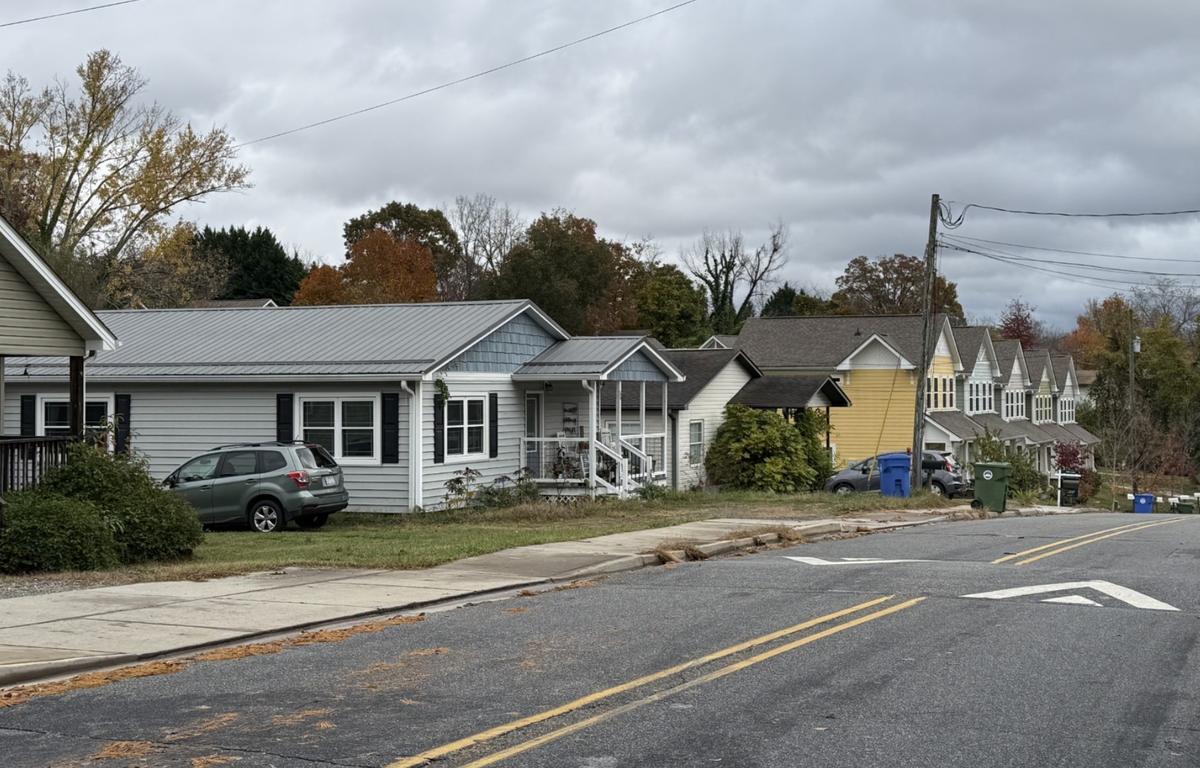
For Asheville residents, the debate could eventually affect what can be built in their neighborhoods and how much housing the city can accommodate.
Reducing minimum lot sizes could give some homeowners more flexibility to divide their property or build additional homes. Smaller setbacks, which determine how far buildings must sit from property lines, could make construction possible on lots where current rules leave limited room to build.
For renters and people hoping to buy a home, supporters see an opportunity to expand housing choices in a city where affordability remains a concern. But allowing more housing would not necessarily mean lower rents or home prices.
Changes could also bring concerns for existing neighborhoods, including additional construction, traffic and the loss of trees or open space.
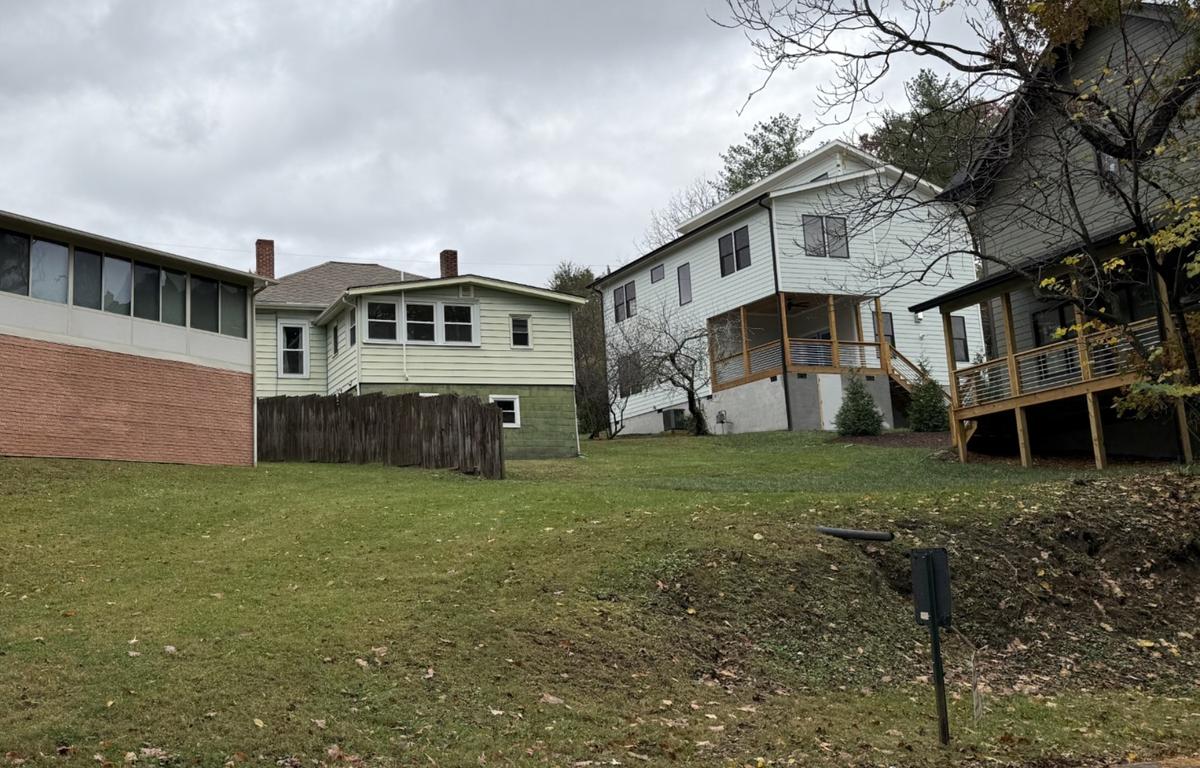
Those questions are especially important in areas with steep slopes or flooding risks, where additional development and land disturbance could affect neighboring properties.
Nothing has changed yet. Any proposed amendments would still need to go through the city’s review and approval process, including opportunities for public input.
Why not make changes now?
The discussion began with a look at RS-2, Asheville’s lowest-density residential zoning district, where lots must be at least 16,000 square feet.
City planners explained that much of the land in RS-2 is environmentally sensitive, with steep slopes, floodplain restrictions or other development constraints.
According to the city’s analysis, about 81% of RS-2 acreage is affected by at least one of those constraints.
That makes the district a less-than-ideal place to encourage substantial new development, staff said, particularly if smaller lots lead to more grading, driveways and disturbance of steep hillsides.
But several commissioners questioned whether the city’s existing lot-size requirements are unnecessarily limiting opportunities for housing.
They discussed reducing minimum lot sizes, lot widths and setbacks, potentially allowing property owners to divide some larger lots or build additional homes.
Those ideas weren’t limited to RS-2. Commissioners also discussed whether similar changes could make sense in other residential districts.
City planning staff agreed that the regulations need updating. The question, they said, is whether now is the right time.
Asheville has hired Opticos Design Inc. to help update its comprehensive plan and rewrite its Unified Development Ordinance, the rules governing how property can be developed.
The project is expected to involve extensive public engagement over approximately 30 months, with the overall effort extending into 2028.
Staff members said pursuing separate zoning amendments at the same time could stretch limited resources, confuse residents and potentially undermine public support for the larger overhaul.
They also raised concerns about state restrictions on downzoning, which could make it difficult to reverse certain changes if they create unintended consequences.
City planning staff said Asheville needs to be careful about making changes that could limit its options when the new regulations are developed.
Commissioners question the delay
Commissioner Jeffrey Barton challenged the idea that the city should put other housing reforms on hold.
Barton pointed to previous City Council discussions in which, he said, members had expressed support for making smaller changes while the comprehensive rewrite moved forward.
He specifically cited an Aug. 20 council agenda briefing, saying council members had urged staff not to delay progress on interim zoning updates.
“I do very strongly disagree with the notion that council’s approval of the UDO project was also an endorsement of pausing,” Barton said.
He questioned when the city’s approach had changed and whether council had actually directed staff to stop pursuing smaller amendments.
Staff members responded that they had received clear direction to prioritize the comprehensive rewrite but had not received specific instructions to move forward with additional residential zoning changes.
They said they would pursue those changes if council provided that direction.
The discussion also turned to Asheville’s Missing Middle Housing Study, which examined ways to encourage housing types such as duplexes, triplexes and other smaller-scale developments.
Some recommendations have already been implemented, including changes allowing duplexes throughout the city’s residential zoning districts.
But other recommendations remain unfinished.
Staff noted that City Council never formally adopted the study, making it more difficult to treat all its recommendations as directives.
Several commissioners questioned whether waiting for the comprehensive rewrite could mean losing years of potential housing improvements.
Commissioners also raised concerns that postponing broader zoning changes could leave development concentrated in neighborhoods already facing pressure from rising housing costs and displacement.
One commissioner expressed concern that the larger rewrite might ultimately be adopted only in part, or not at all.
Several commissioners argued that Asheville’s housing shortage calls for more immediate action rather than waiting for the comprehensive zoning rewrite to be completed.
Have the duplex changes made a difference?
The discussion offered an early look at the results of Asheville’s decision to allow duplexes citywide.
City Council approved the expansion Aug. 25, allowing duplexes in residential districts where they previously were prohibited.
City staff said three duplex permits had been issued since the change was approved, and all three were in districts where duplexes were already permitted.
That means the expanded allowance had not yet produced a permitted duplex in a newly eligible district.
The change had been in place for only about 10 weeks, however, making it too early to draw conclusions about its long-term impact.
Commissioners suggested that allowing duplexes without also changing lot-size requirements might limit how much additional housing the policy produces.
Staff said the broader rewrite could better coordinate efforts to encourage housing while addressing other development concerns.
What about steep slopes and flooding?
Another concern was whether smaller lots would increase development pressure on environmentally sensitive land.
Staff said creating additional individual lots on steep slopes could mean more grading, driveways and land disturbance.
Allowing more homes in clustered developments, on the other hand, could potentially increase housing without disturbing as much land.
Commissioners questioned whether environmental protections should be addressed through separate steep-slope and floodplain regulations rather than relying on large minimum lot sizes to limit development.
Staff acknowledged that the city’s existing steep-slope regulations could be improved.
But staff also warned that creating additional lots now might complicate efforts to strengthen those protections later.
Additional legal research would be needed to determine exactly how state law might affect future changes, staff said.
The environmental concerns added another layer to the debate: How can Asheville make room for more housing without increasing risks for residents living near steep hillsides and flood-prone areas?
What happens next?
As the discussion wound down, commissioners agreed that they needed a clearer answer from City Council.
The commission unanimously supported a motion seeking clarification on whether council wants interim zoning amendments considered before the comprehensive rewrite is completed and whether the Missing Middle Housing Study should help guide that work.
The motion did not recommend specific lot sizes, setbacks or other zoning changes.
Staff said the commission could communicate its concerns to council.
For now, Asheville’s existing zoning rules remain unchanged.
The larger rewrite is moving forward, with public engagement expected to begin in spring 2027.
But commissioners made clear Wednesday that they want City Council to settle whether the city should consider additional housing reforms before that work is finished.