



ASHEVILLE, N.C. (828newsNOW) — Duke Energy customers across North Carolina will likely see higher electric bills starting in January after state regulators approved rate increases that could push typical residential bills up more than 9% over two years.
The North Carolina Utilities Commission approved the increases Monday, Nov. 16, for Duke Energy Progress and Duke Energy Carolinas. The decision also includes new requirements intended to protect customers from some of the costs associated with large data centers.
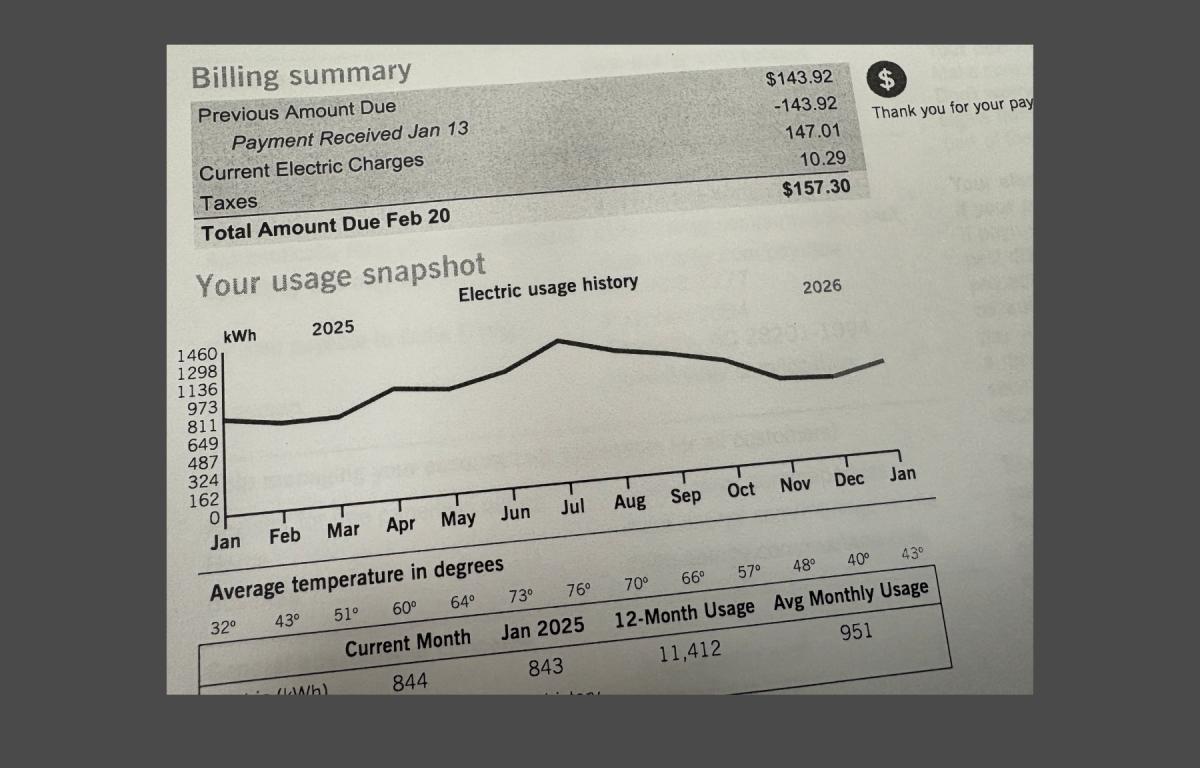
For Duke Energy Progress customers, including those in the Asheville area, a household using 1,000 kilowatt-hours of electricity a month is expected to pay about $9.62 more beginning in January 2027, followed by another $5.89 increase in January 2028.
That would add about $15.51 to the monthly bill by 2028, or roughly $186 a year, assuming the same electricity usage.
Duke Energy Carolinas customers, who live in other parts of Western North Carolina and across the state, are expected to pay an additional $6.53 a month in 2027 and another $4.66 in 2028 for the same electricity usage.
The projected increases total approximately 9.3% for Duke Energy Progress residential customers and 9.5% for Duke Energy Carolinas residential customers over the two years.
Actual bills will vary depending on electricity usage and other charges.
Customers raise concerns about affordability
The increases come despite widespread opposition from customers who told regulators they were already struggling to pay their electric bills.
According to the commission’s order involving Duke Energy Carolinas, nearly all customers who testified at public hearings opposed the company’s proposed rate increase.
Some said they were having to choose between paying their electric bills and buying groceries or getting medical care. Others worried about the impact on people living on fixed incomes and small businesses.
Regulators acknowledged those concerns but said Duke also needs money to maintain and improve its electric system.
Duke Energy says the additional revenue is needed to strengthen reliability, upgrade aging infrastructure and meet growing electricity demand.
The approved rate increases are smaller than the utility originally requested.
The Duke Energy Carolinas settlement also includes $10 million in shareholder funding to help customers struggling with electric bills and pay for home repairs needed to qualify for weatherization assistance.
New rules target large data centers
The decision also addresses concerns about the growing electricity demands of data centers, which support artificial intelligence, cloud computing and other technology services.
Those facilities can use enormous amounts of electricity, sometimes requiring new power plants, transmission lines and other infrastructure.
During public hearings, customers questioned why households and small businesses should bear any of the costs of expanding the electric system to serve data centers.
Under the new requirements, data centers with electricity demands of at least 50 megawatts will be subject to a special rate schedule. New data centers and existing facilities that expand will also face additional financial requirements.
Qualifying data centers will be billed for at least 75% of the electricity capacity they reserve, even if they use less.
The rules also require long-term contracts, generally lasting at least 10 or 15 years depending on the amount of electricity requested. Some contracts could run longer.
Data centers also must pay for facilities built exclusively to serve them and provide financial protections intended to reduce the risk that other customers will be left paying for infrastructure if a project is canceled or closes early.
Regulators also want Duke to work out how much of certain infrastructure costs should be paid by data centers rather than other customers.
Two commissioners, Floyd McKissick Jr. and John Gajda, supported the order but argued that the new protections should apply to all large electricity users, not just data centers.
They questioned why other large industrial customers that could place similar demands on the electric system would not face the same requirements.
Asheville studying data center regulations
The state decision comes as Asheville is taking a closer look at data centers and their potential impact on the city.
Asheville City Council approved a 12-month moratorium on new data centers June 23 while officials study their electricity and water demands, land use and noise.
The city has scheduled two virtual public information sessions, at noon Dec. 1 and 6 p.m. Dec. 9, to hear residents’ concerns and discuss possible regulations.
City officials expect to release draft recommendations in early January 2027, with proposed changes going before the Planning and Zoning Commission in February and City Council in the spring.
While the state’s new rules focus on electricity costs and financial risks associated with large data centers, Asheville’s study is examining how the facilities could affect local resources and development.
Residents can learn more about the meetings and the city’s study at Asheville’s Data Centers Study website.
What happens next?
Duke Energy Carolinas must submit final revenue calculations and rate schedules to state regulators for review before its new rates can take effect.
The increases are expected to begin in January 2027, with another round scheduled for January 2028.
How much customers pay will depend on which Duke Energy utility serves them and how much electricity they use.