


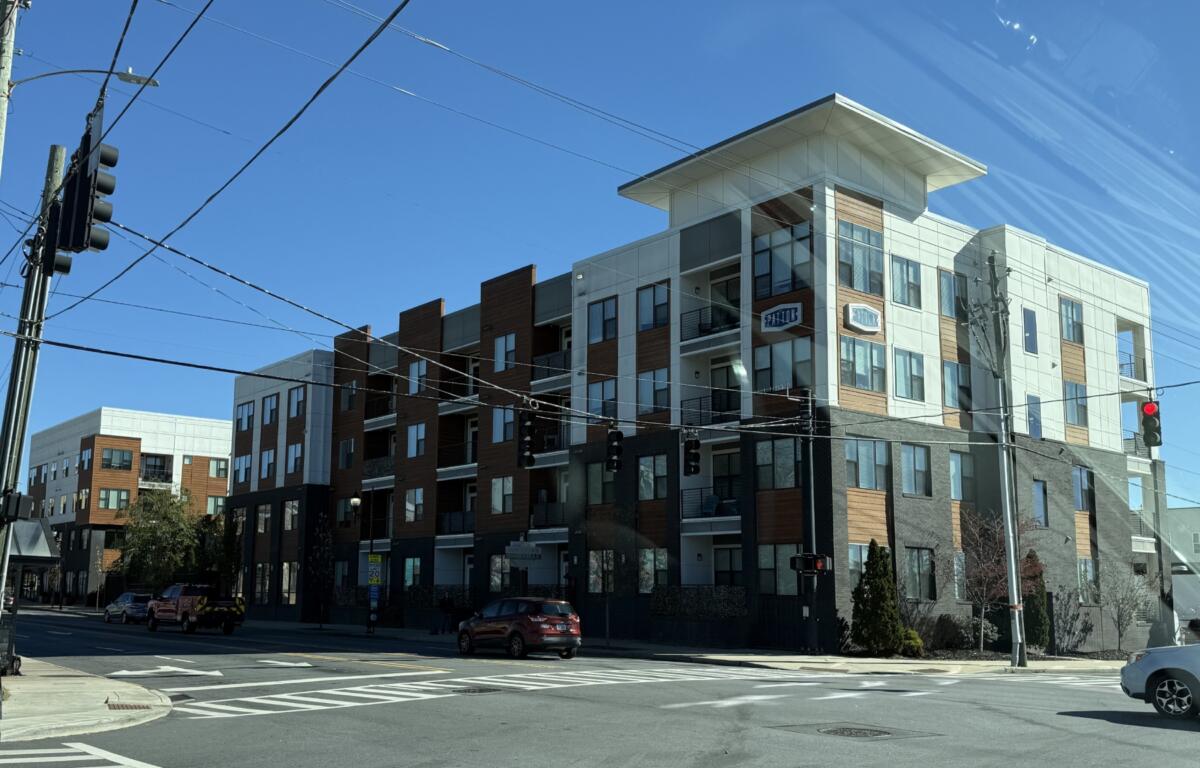

ASHEVILLE, N.C. (828newsNOW) — Police activity has increased sharply along a stretch of Patton Avenue this year, as residents raise concerns about fighting, open drug use and people carrying weapons near Haywood Street Congregation and two nearby apartment buildings.
Asheville police reported 442 calls for service in the Patton Avenue, Clingman Avenue and Pearl Street corridor in 2026, up 49 percent from 296 during the same period last year. Some of that increase reflects stepped-up patrols, but calls not initiated by officers have also risen.
The numbers were presented Monday, Nov. 16, during a meeting of Asheville City Council’s Public Safety Committee.
Council member Bo Hess, who chairs the committee, said residents of the Patton and Avery apartment buildings have complained about fighting, drug use and other activity that makes them feel unsafe.
Hess said he visited the area about five times over the past month and saw some of those problems himself.
“I saw open-air drug use, I saw fighting, people loudly arguing,” Hess said.
He also described hearing from residents who reported encountering people carrying knives, machetes and axes. One resident told him police had driven past a fight without stopping, he said.
Those accounts were not independently verified during the meeting.
Hess said he is particularly concerned about violence and the possibility of someone getting hurt.
Police step up patrols
Asheville Police Chief Jackie Stepp said officers have been spending more time in the area, checking businesses and apartment buildings and responding to complaints.
Officer-initiated calls increased 84 percent, from 104 last year to 191 this year. Calls not initiated by officers rose from 192 to 251, an increase of 31 percent.
Officers also conducted more business and residential security checks. Time spent on dedicated crime prevention activities increased from 9.4 hours last year to 49 hours this year.
The department’s figures show three violent crimes in the corridor this year, compared with two last year. Property crimes increased from six to 11.
Police also reported identifying offenders in 76 percent of cases this year, up from 69 percent in 2025.
Stepp said the department is talking with management at the Patton apartments about bringing back a courtesy officer program. Under that arrangement, an officer would receive discounted rent in exchange for living at the complex, conducting routine patrols and checking the property.
The department has also suggested that the apartment complex consider hiring off-duty officers for additional coverage.
APD is preparing to launch an electric bicycle patrol program downtown, and 10 more officers are expected to begin working independently in December as the department rebuilds its staffing.
Stepp stressed that the department’s focus is on criminal activity, not homelessness.
“We do not criminalize homelessness,” she said. “This is not about homelessness, this is about criminal activity that’s taking place in this corridor.”
But Stepp acknowledged that police statistics don’t always tell the whole story when it comes to how safe people feel.
Church says it needs more help
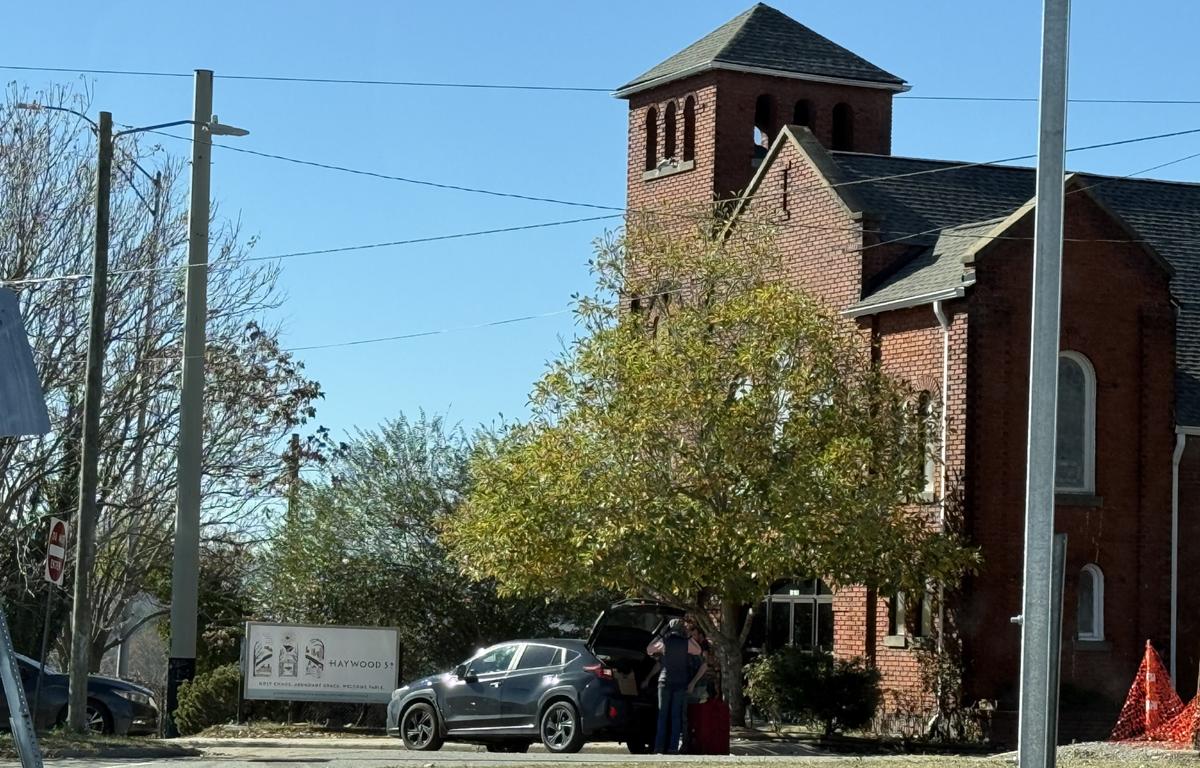
The Rev. Brian Combs, founding pastor of Haywood Street Congregation, said the church welcomes people who are struggling with homelessness, mental illness, substance use disorders and poverty.
“Our mission is quite distinct from any other group in town, and that is relationship above all else,” Combs said.
The congregation serves community meals on Wednesdays, offers respite care for people recovering from hospital stays and has developed affordable housing through its Lady Gloria project.
It also has a Mercy League, made up of people with lived experience who reach out to those in crisis and help calm difficult situations.
Combs said the church asks people not to use drugs or camp on its property. The problem, he said, is that much of the surrounding land belongs to the city or the North Carolina Department of Transportation.
People sometimes simply move beyond the church’s property line, where the congregation has no authority to enforce its rules.
“One of the things that folks have done out of respect for the church is in fact honor that boundary, but it’s usually 6 inches past our property line,” Combs said.
He said the church doesn’t condone drug use and would welcome more help from the city, particularly on Wednesdays when large numbers of people gather for meals.
Combs also suggested having police officers visit regularly to eat with congregants and get to know them, rather than showing up only when there’s a problem.
Outreach teams already on the ground
The Asheville Fire Department’s Response, Engagement, Support and Treatment team, known as REST, has personnel at Haywood Street Congregation every Wednesday.
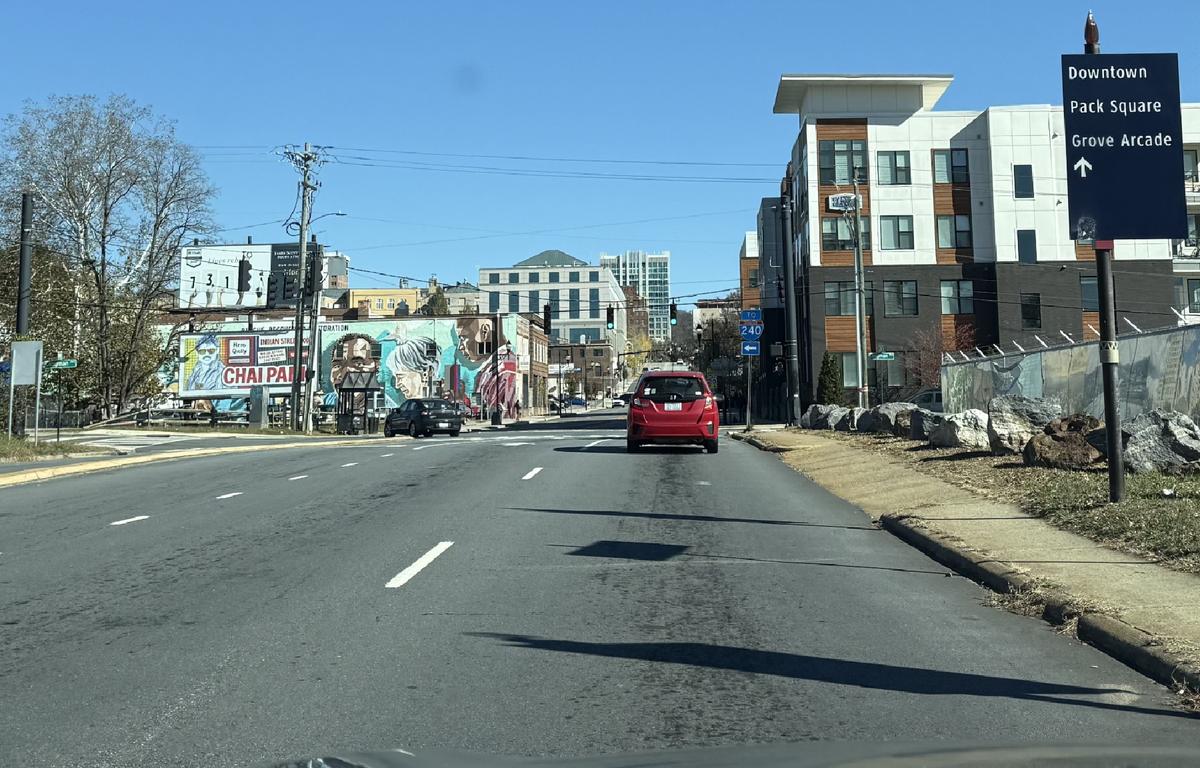
The team also makes regular visits to the Western North Carolina Rescue Mission and other locations along the West Patton Avenue and Clingman Avenue corridor.
REST workers check on people’s well-being, help calm conflicts and connect people with shelter, housing and other available services.
The program expanded to two units in July 2025, allowing teams to work in different parts of the city at the same time.
REST also works with NCDOT when construction affects nearby homeless encampments. That gives outreach workers time to contact people before crews move into an area and try to connect them with safer locations and available services.
Council member wants agencies working together
Before Monday’s meeting ended, council member Sheneika Smith suggested bringing together the police department, outreach workers, churches and other organizations serving people in the area.
She said the groups are already doing important work, but better coordination could help address problems before they escalate.
“I’m wondering, with all hands on deck, if we now need a conversation about coordination and how we can partner,” Smith said.
City officials welcomed the suggestion, although no formal action was taken.
Stepp urged residents to continue reporting suspected criminal activity, even if they think the people involved will be gone before officers arrive. Those calls, she said, help police determine where problems are occurring and where patrols are needed.
And while the department’s statistics show more officers working in the corridor, Stepp said there’s another concern police can’t ignore.
“I know the crime numbers look good, but the perception of safety is also something that we want to address,” she said.