


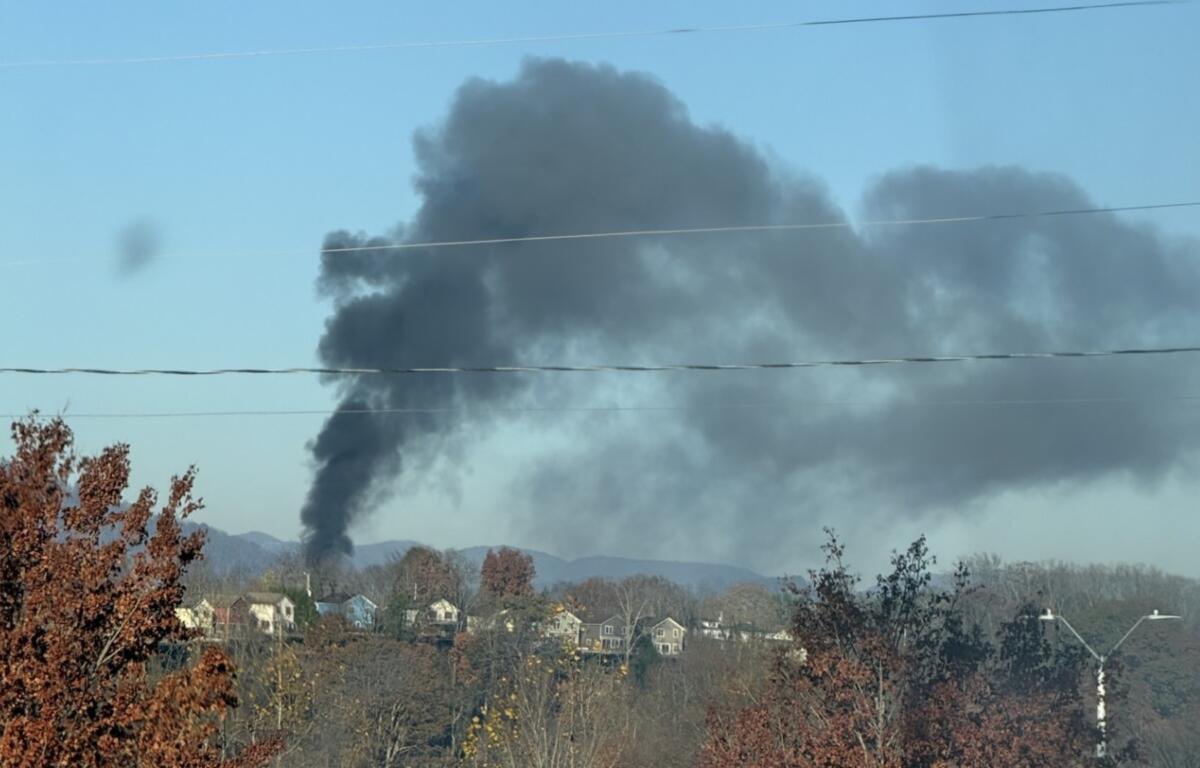

ASHEVILLE, N.C. (828newsNOW) — With Thanksgiving just days away and colder weather settling into Western North Carolina, Asheville firefighters have a reminder for residents: A few simple precautions can help keep a holiday gathering or a cozy night at home from turning into an emergency.
From space heaters and fireplaces to busy holiday kitchens, there are plenty of potential fire hazards this time of year.
The Asheville Fire Department has been dispatched to 22 reported structure fires so far in November, according to department communications specialist John Harbin.
Most did not involve actual structure fires. Harbin identified two calls involving fires: one on a porch and another involving an RV that spread into a home.
During all of November 2025, the department was dispatched to 26 reported structure fires, but none turned out to be actual building fires. Those calls included a cooking fire confined to its container, a dumpster fire, a vehicle fire, several trash or rubbish fires and numerous false alarms.
The numbers reflect calls firefighters were dispatched to, not confirmed building fires. And with November still underway, this year’s total isn’t directly comparable to last year’s full-month figure.
Still, fire officials say the colder months bring some familiar risks, many of which can be avoided.
Thanksgiving brings added fire risks
Thanksgiving is the busiest day of the year for home cooking fires nationwide, according to the National Fire Protection Association.
An estimated 1,139 home cooking fires were reported to U.S. fire departments on Thanksgiving in 2024, more than four times the daily average.
Unattended cooking is a leading factor in those fires, and it’s easy to see how distractions can happen when several dishes are cooking, guests are arriving and there’s plenty going on in the kitchen.
The Asheville Fire Department recommends staying in the kitchen when frying food or cooking with grease and keeping towels, paper products and other flammable items away from the stove.
If a small grease fire starts, never throw water on it. If it’s safe, slide a metal lid over the pan to smother the flames and turn off the burner. Don’t move the pan or remove the lid until it has cooled completely.
If the fire grows or can’t be handled safely, get everyone outside and call 911.
Give space heaters some breathing room
Portable space heaters can take the chill out of a room, but they need to be used carefully.
Fire officials recommend keeping heaters at least 3 feet away from anything that can burn, including furniture, curtains, blankets and bedding.
They should be plugged directly into wall outlets, never extension cords or power strips.
Heaters also should sit on flat, stable surfaces, preferably with automatic shutoff protection.
And when it’s time for bed or you’re leaving the room, turn the heater off.
Don’t forget about the chimney
There’s nothing quite like a fire on a cold evening, but fireplaces and wood-burning stoves need regular attention.
The fire department recommends having fireplaces and chimneys inspected and cleaned annually by a qualified professional.
One concern is creosote, a flammable substance that can build up inside chimneys and ignite.
Keep furniture, decorations, firewood and other combustible materials at least 3 feet from fireplaces and wood stoves. Never leave a fire unattended.
Even ashes can pose a danger long after the flames are out. They can hold heat for several days, so let them cool completely before putting them in a covered metal container outside, away from the house and anything that could catch fire.
Make sure smoke alarms work
Smoke alarms are one of the simplest ways to protect a household, but only if they’re working.
The department recommends installing smoke alarms inside every bedroom, outside sleeping areas and on every level of the home.
Test them monthly and replace them according to the manufacturer’s recommendations.
Carbon monoxide alarms should be installed outside sleeping areas and on every level of the home.
Families should also have an escape plan with two ways out of every room and a meeting place outside where everyone can gather in an emergency.
Never use a stove or grill to heat the house
When the temperature drops, it might be tempting to find another way to warm up, especially if the heat goes out.
But ovens, stovetops, grills and generators should never be used to heat a home. They can create serious fire hazards and expose people to dangerous levels of carbon monoxide.
Fire officials say many residential fires are preventable.
Before winter gets into full swing, taking a little time to check heating equipment, clean chimneys, test smoke alarms and talk through an escape plan could make all the difference.