



ASHEVILLE, N.C. (828NewsNow) — A new North Carolina state law will prohibit two things from going in landfills on Dec. 1.
The two laws going into effect on Dec. 1 ban solar panels and lithium-ion batteries from being thrown away in the trash and taken to the landfill.
Solar panels
The new law by the North Carolina General Assembly states that solar panels and their parts can’t be thrown away into landfills that don’t have protective liners to help prevent pollution from leaking into the ground.
The law states that if solar panels cannot be reused or recycled, and they are not classified as hazardous waste, they must be taken to either an industrial landfill or a municipal solid waste landfill. Also, hazardous solar panels have stricter rules. Those must be handled and disposed of under state and federal hazardous waste regulations.
This new North Carolina state law covers the entire solar panel assembly, including the photovoltaic cells, switches, wiring, controls and other components used to generate electricity from sunlight.
The law states that solar panels now must be reused, recycled or disposed of at approved facilities to help protect the environment.
Lithium-ion batteries
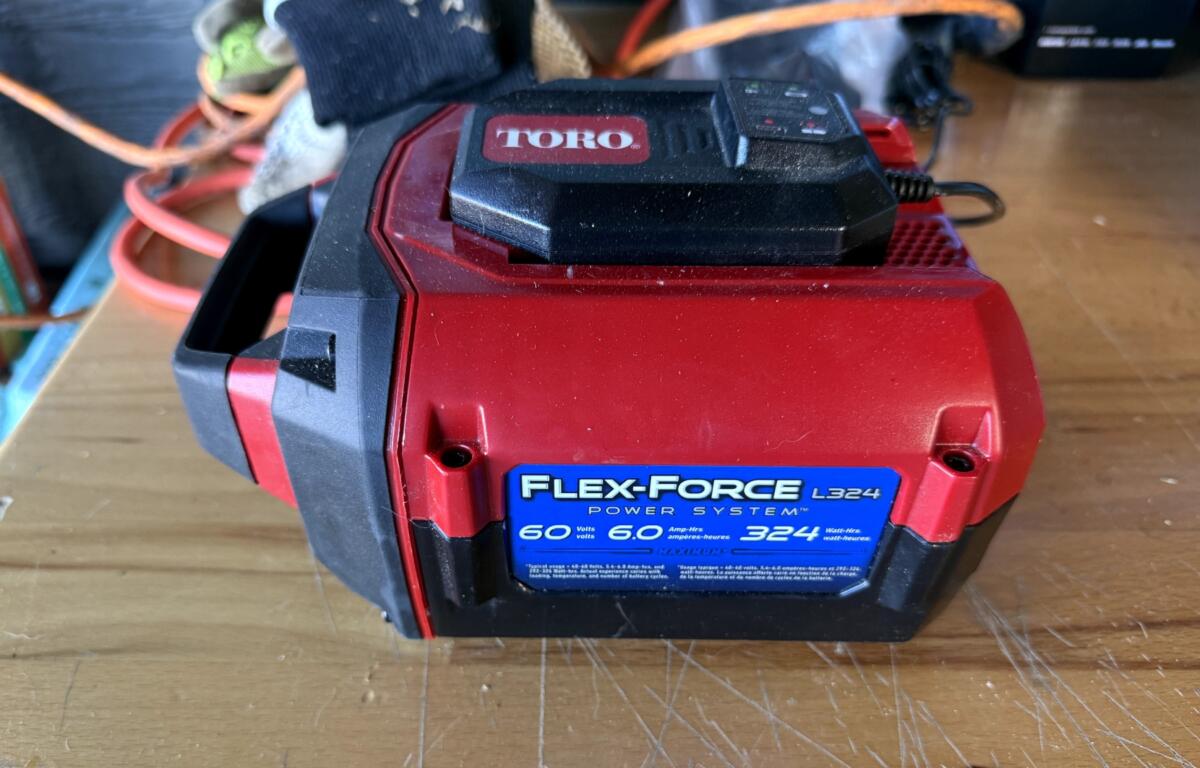
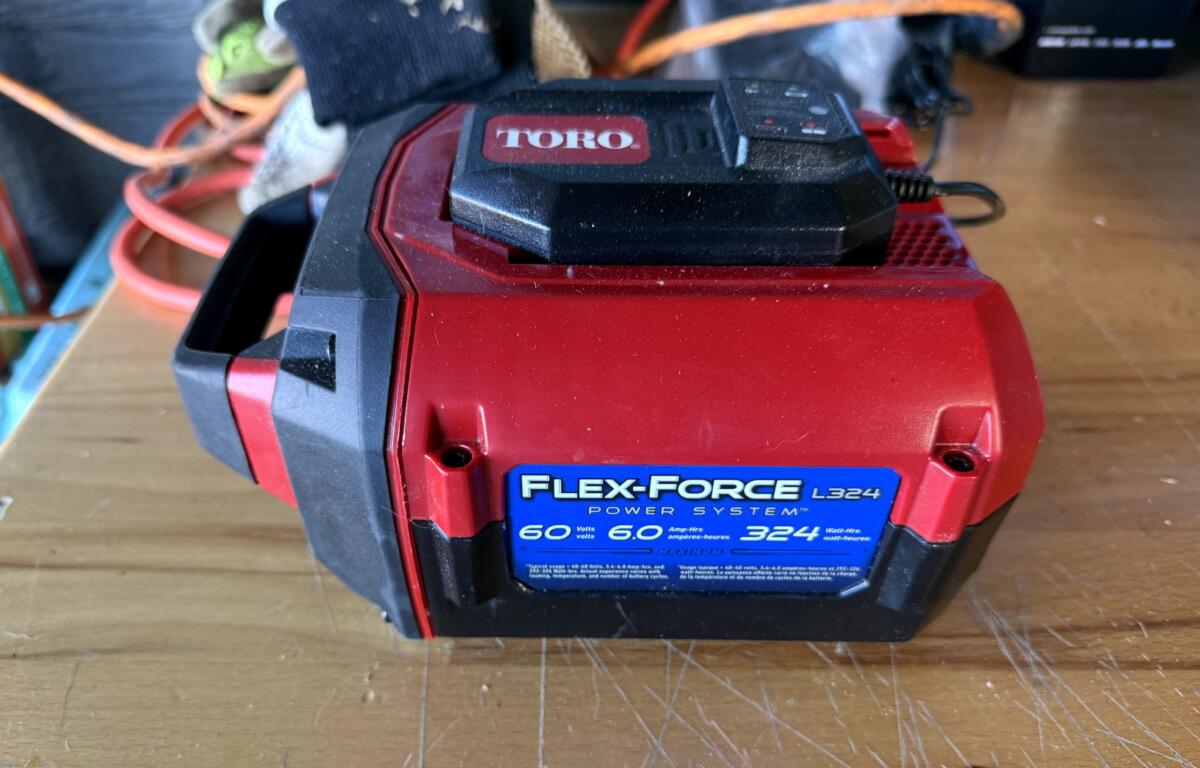
There have been several reported instances of lithium-ion batteries starting fires in dumpsters and garbage trucks. Due to this hazard, North Carolina approved the new law stating that lithium-ion batteries can long longer be thrown away in landfills or burned in permitted waste incinerators, starting Dec. 1.
The lithium-ion batteries being prohibited in landfills are the rechargeable batteries, not the single-use lithium batteries, the state law said. The new law applies to lithium-ion batteries in cellphones, tablets, laptops, power tools and electric bikes and scooters.
These batteries can’t be thrown away in household garbage on or after Dec. 1. The law states that they will need to be taken to an appropriate battery collection or disposal location.
The law is part of North Carolina’s Regulatory Reform Act of 2023.