


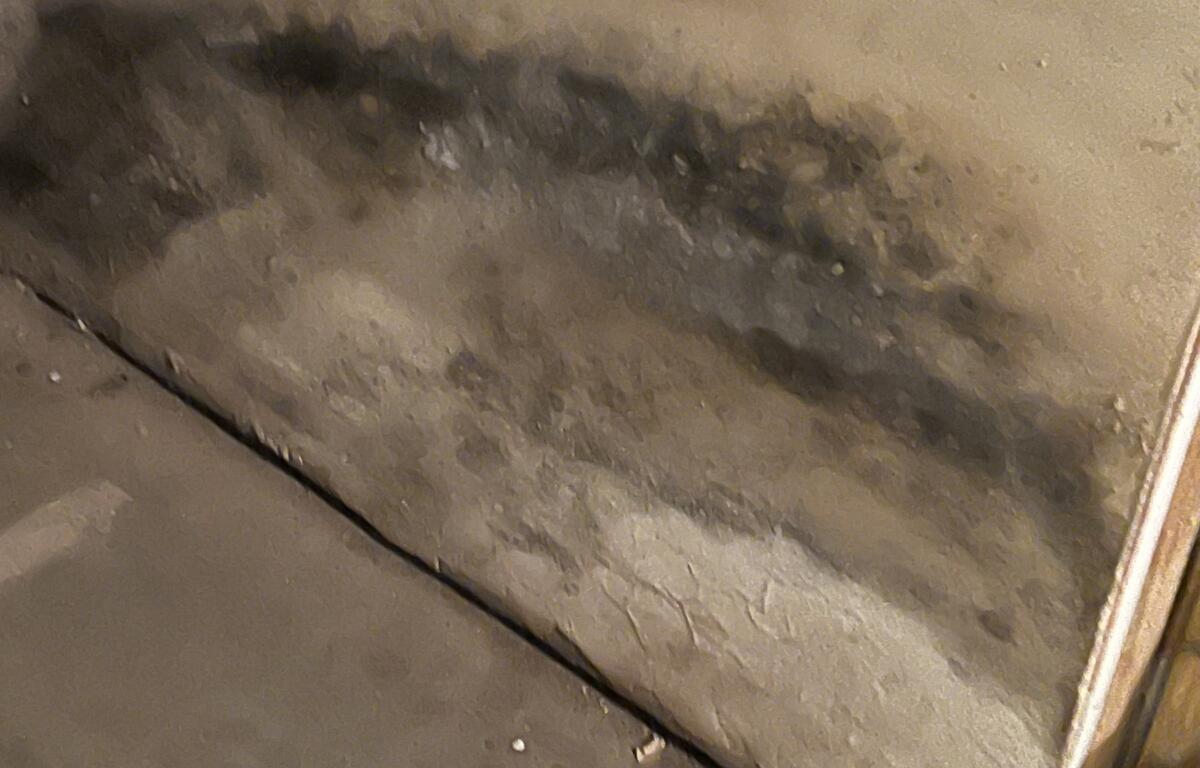

ASHEVILLE, N.C. (828newsNOW) — Asheville has strengthened protections for renters living in unsafe housing, but city officials say they still have limited authority to address mold complaints unless inspectors find an underlying housing-code violation.
The issue came up Monday, Nov. 16, during a meeting of City Council’s Public Safety Committee, where council member Bo Hess questioned whether Asheville could do more to help renters dealing with mold.
Chris O’Brien, the city’s compliance coordinator, said his department receives numerous mold-related complaints. But without an enforceable mold-specific standard, inspectors must look for other housing violations that could be contributing to the problem.
Those might include leaking roofs, faulty plumbing, water-damaged walls or moisture entering through windows.
When someone reports mold, city code enforcement officers can inspect the property for those conditions. If they find a violation of minimum housing standards, the city can take enforcement action.
But if mold is present and inspectors find no separate housing-code violation, their options are limited.
In those cases, O’Brien said, the city provides information about mold testing, legal assistance and other resources.
New housing protections, but questions remain
In September, Asheville City Council unanimously approved an ordinance prohibiting landlords from collecting rent on certain unsafe or uninhabitable rental properties after the city issues a qualifying enforcement order.
The process requires the city to identify an unsafe condition and allow the property owner to correct it. A mold complaint alone does not automatically trigger the rent-collection prohibition.
During the September discussion, tenants described living with mold, water damage and other problems. Council members also questioned whether Asheville could establish stronger mold protections.
The November committee meeting returned to that unresolved issue.
Hess said residents have contacted city officials about mold problems they believe have caused health issues or forced them to move out of their homes.
He expressed frustration that a landlord might leave the problem unresolved, allowing another tenant to move into the same conditions.
Hess questioned whether Asheville could become a leader in protecting renters from mold.
City Attorney Brad Branham said the city faces two major obstacles.
First, he said, there is no mold-specific standard available for city inspectors to enforce.
Second, Branham said state laws governing building safety and landlord-tenant responsibilities leave Asheville little room to adopt its own mold-specific requirements.
He said Asheville would likely need the state to adopt mold regulations or give local governments the authority to create and enforce their own.
Hess urged the city not to give up on finding a solution.
He said he wants Asheville to remain open to developing common-sense regulations addressing certain types of mold.
What renters can do
Branham emphasized that the city’s limited enforcement authority does not mean renters have no legal protections.
North Carolina law requires landlords to maintain rental properties in a fit and habitable condition and make necessary repairs. The law also addresses certain conditions involving standing water, sewage and drainage that can contribute to mold.
That means landlords may still be responsible for repairing leaks, water damage and other problems even when the city cannot enforce a mold-specific standard.
Tenants who discover mold or moisture problems should document the conditions, notify their landlord in writing and keep copies of repair requests.
If the problems are not addressed, renters can contact Asheville code enforcement to request an inspection for possible minimum housing violations.
Branham said tenants may also have legal options when landlords fail to meet their responsibilities, although pursuing a civil case can be difficult for people who cannot afford an attorney.
He pointed to legal aid services as a possible resource.
North Carolina law generally prohibits tenants from withholding rent without a landlord’s written consent or a court order.
For now, Asheville has not established a separate mold enforcement standard, and no changes to its housing regulations were approved during the Nov. 16 committee meeting.