


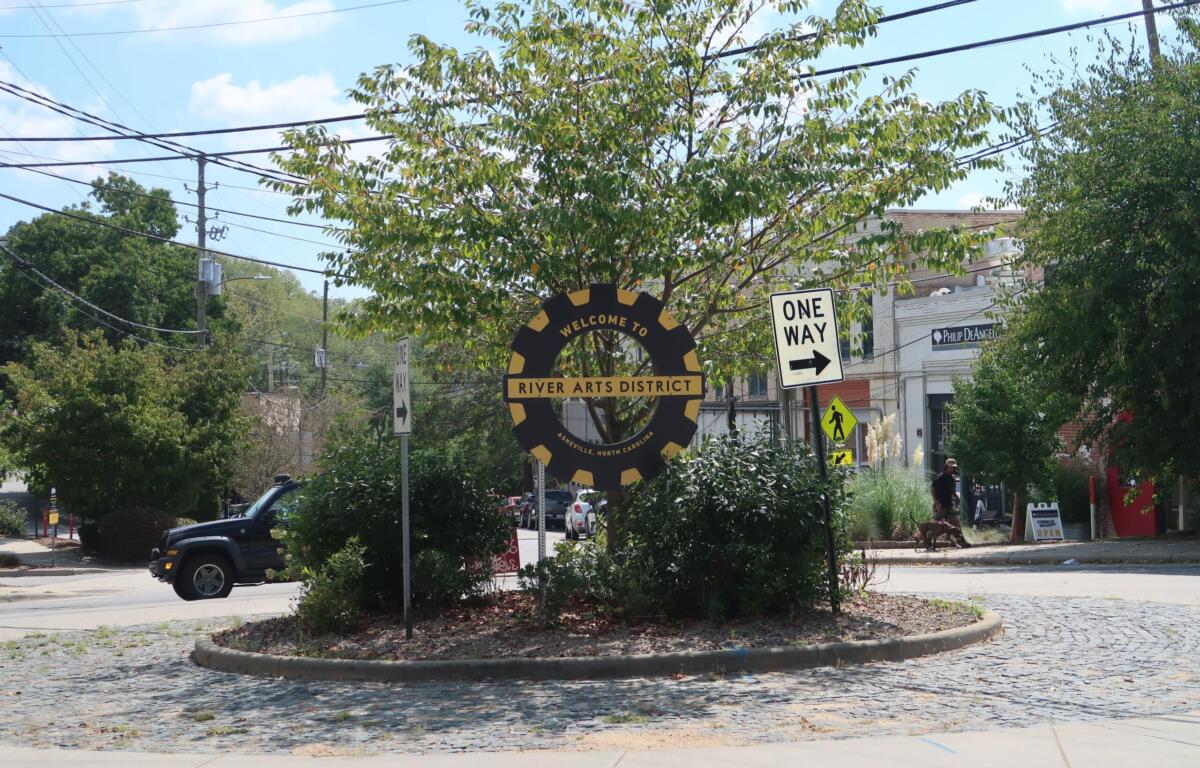

ASHEVILLE, N.C. (828newsNOW) — Asheville has $30 million in federal disaster recovery money earmarked for commercial areas hit by Tropical Storm Helene, but City Council isn’t ready to decide how to spend it.
During a Thursday workshop on the city’s flooded commercial corridors, council members discussed everything from assistance for businesses to greenways, flood mitigation and larger public projects that could reshape areas along the French Broad and Swannanoa rivers.
Several council members said they want more information and another discussion before the city takes its plans to the broader community.
The $30 million comes through the Community Development Block Grant-Disaster Recovery program and is designated for economic recovery in flooded commercial areas.
“Sounds like a lot, but what we know is that that money will go pretty quickly,” City Manager DK Wesley said.
The city’s initial process called for council to establish broad priorities, followed by stakeholder and community engagement. Staff would use that input to develop the program and potentially issue a Notice of Funding Opportunity, or NOFO, allowing projects to apply for money.
By the end of the workshop, council members were questioning whether that should be the only approach.
Some suggested the city should consider using at least part of the money for larger public projects, possibly combining the federal funding with money from other sources.
No decisions were made.
Flood risk remains
The discussion comes as businesses and property owners continue rebuilding nearly two years after Helene.
More than 110 properties in the Swannanoa River corridor and 47 in the French Broad River corridor were substantially damaged, according to information presented by city staff.
Flooding remains a major concern. Staff said 73 percent of commercial parcels in the Swannanoa corridor and 64 percent in the French Broad corridor are vulnerable to flooding.
The city has also received more than 1,200 post-Helene permit applications in the two corridors — about 870 in the Swannanoa area and 370 along the French Broad. Most involve repairing existing structures rather than new construction.
Staff said more than $537 million in commercial tax value is exposed to flooding in the areas being considered.
The federal money could potentially pay for business assistance, site improvements, streetscapes, greenways, facility improvements, arts and cultural projects, floodproofing, elevation and demolition.
Districtwide projects such as stormwater improvements and green infrastructure could also be considered.
Federal rules limit how the money can be spent. Among other restrictions, it cannot be used for new housing construction, building in a floodway or purchasing movable equipment.
More information before moving ahead
Several council members said they were not prepared to narrow those possibilities.
They asked staff for more information about its research into best practices in other communities, existing public investments in the corridors and the current state of recovery.
Council members also asked to see the complete notes from the workshop’s breakout sessions rather than only staff’s summary of the major themes.
One council member described the meeting as a useful start but said council needed to move beyond a broad vision and have a more detailed discussion about economic strategy before guiding the use of $30 million.
There was also concern about beginning public engagement before council better understands the options.
Council members questioned whether asking the community about a competitive funding program could shape the responses toward individual projects when the city has not decided whether that is the approach it wants to take.
Wesley said staff heard that concern.
“We want to listen to you all, hear what your thoughts are before we go to community,” she said.
What should the river corridors become?
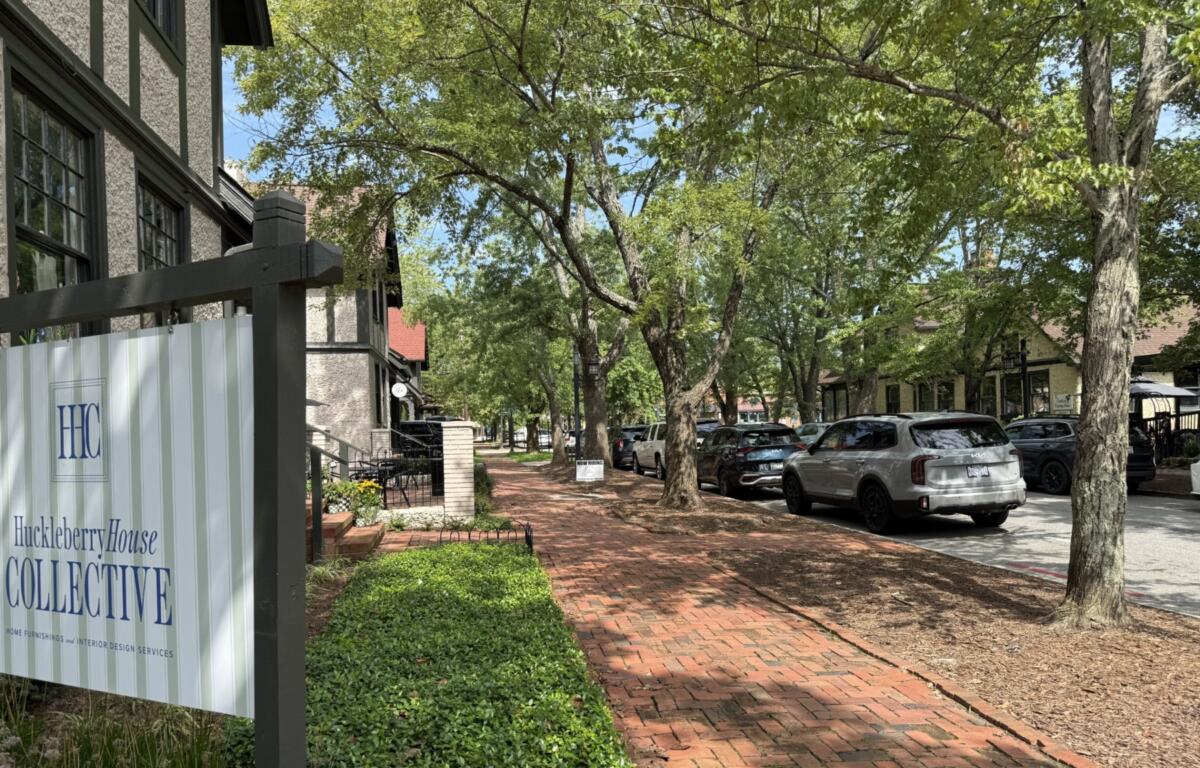
The discussion also turned to what Asheville wants its riverfront commercial areas to look like in the years ahead.
Council members questioned whether businesses should be encouraged to relocate away from flood-prone areas or whether investments could help them remain while becoming more resilient.
A commercial land trust was raised as one possibility for addressing the potential displacement of small businesses.
Council members also talked about parking, transportation and ways to make the rivers more accessible to people who aren’t driving across them, walking alongside them or floating on them.
Ideas discussed included additional greenways and bicycle and pedestrian connections, public spaces and temporary or flood-compatible uses such as food trucks, markets and pop-up parks.
Council members cautioned that the French Broad and Swannanoa corridors do not necessarily have the same needs.
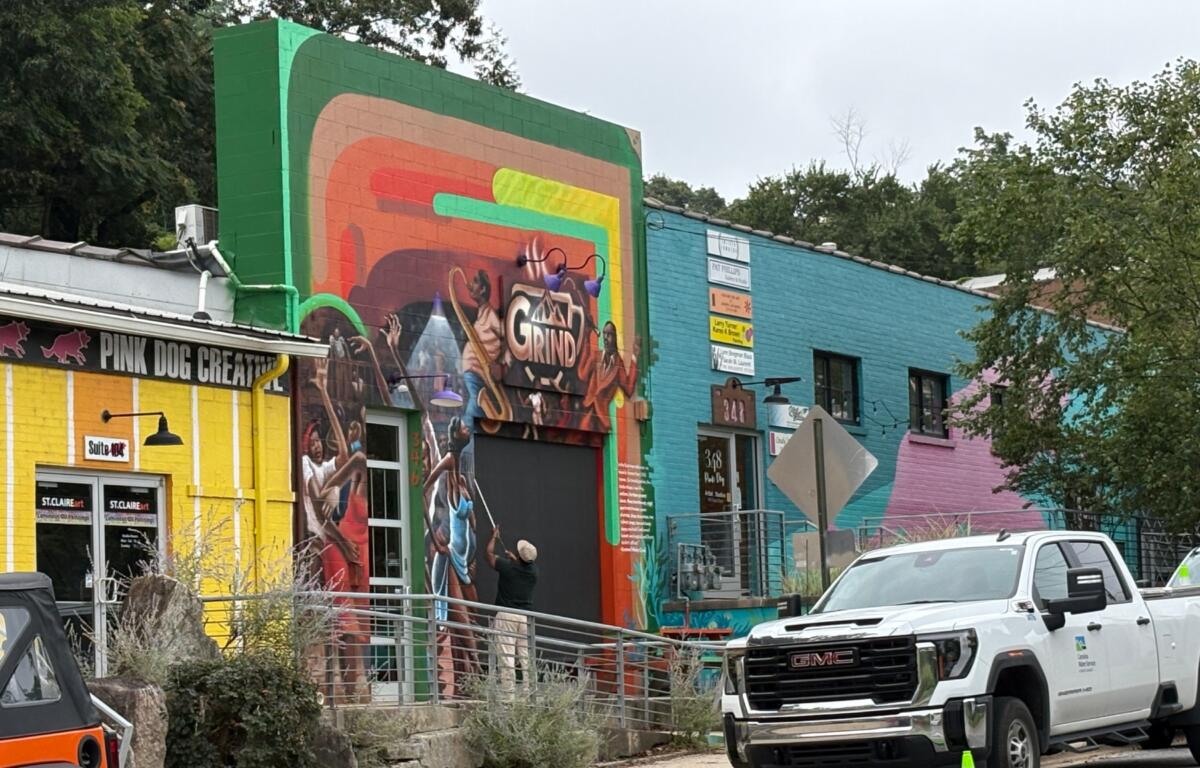
The River Arts District already has seen significant public investment, and council members discussed whether lessons from those projects could be applied along the Swannanoa while recognizing the differences between the two areas.
Long-term maintenance was also raised as a concern. Council members said that if the city adds parks, greenways or other public infrastructure, it also needs to consider what it will cost to maintain those investments years from now.
Leveraging the $30 million
Mayor Esther Manheimer said the federal money could provide an opportunity to complete connections already envisioned along Asheville’s river corridors.
She pointed to existing and planned bicycle, pedestrian and greenway projects, including potential connections along Thompson Street and between Biltmore Village, Meadow Road and Amboy Road.
Manheimer also raised the possibility of combining the $30 million with state funding, Tourism Development Authority money, city transportation bond funds or other sources.
The goal, she said, could be to leverage the federal money into an investment approaching $100 million while coordinating projects with other major changes, including the Interstate 26 Connector.
“I don’t really want to support spending money that we can’t see the value in five years from now or 10 years from now,” Manheimer said. “It needs to be a significant long-term investment in our community.”
Other council members expressed interest in learning more about opportunities to leverage the federal money, noting that $30 million would not be enough to accomplish many of the ideas discussed during the workshop.
For now, staff will provide council with additional research and the full notes from the workshop and work to schedule more discussion.
Wesley said there are different ways the city could use the money, including approaches other than a competitive funding process.
Staff’s next task is to get a clearer sense of which direction council wants to pursue before taking the discussion to the community.