



ASHEVILLE, N.C. (828newsNOW) — Asheville City Council is set to vote Tuesday on whether to cancel the city’s contract with Flock Safety, but ending Flock would not mean the end of Asheville’s use of automated license plate readers.
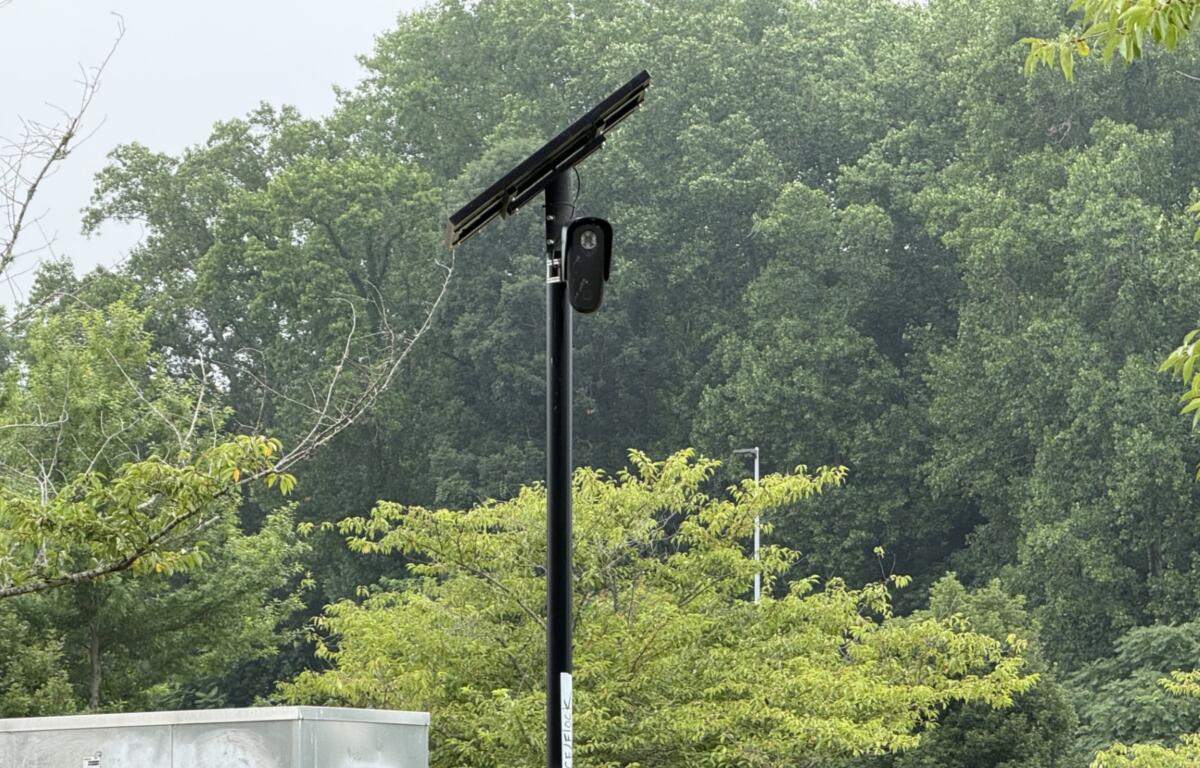
The Asheville Police Department uses two separate automated license plate reader systems: stationary cameras made by Flock Safety and mobile cameras made by Axon that are installed in police vehicles.
APD says the department currently has 11 stationary Flock ALPR cameras and 162 Axon ALPR cameras installed in marked police vehicles.
That distinction could become important when the City Council considers the Flock contract Aug. 25.
Councilmember Kim Roney, who has pushed for ending the Flock contract, said canceling Flock should be only a first step.
“It’s not enough to cancel Flock then replace it with a similar mass surveillance system,” Roney said in a social media post Thursday.
Roney also encouraged residents to ask the city to end “all automated license plate use in Asheville.”
What happens to Axon?
It’s not yet clear whether Tuesday’s discussion will extend beyond the Flock contract.
APD Public Information Officer Rick Rice directed 828newsNOW to the city’s Technology and Public Safety information page when asked about the camera systems.
Rice said it would be “premature” to answer other questions before Tuesday night’s City Council meeting.
The city’s information shows that Asheville’s Flock and Axon systems are separate.
APD began using its Axon mobile ALPR system in April 2024. The stationary Flock cameras began operating in February 2025.
The city has not yet said whether canceling Flock would result in any changes to the Axon contract or whether Axon technology could be used to replace some of the functions currently provided by the stationary cameras.
It also remains unclear what would happen to the 11 Flock cameras if the contract is terminated.
Flock is only part of Asheville’s ALPR system
Automated license plate readers use cameras and software to capture and analyze images of vehicle license plates.
The technology can help law enforcement identify vehicles connected to investigations, but civil liberties advocates have raised concerns about privacy, data retention and the potential for tracking people’s movements.
Flock’s system uses stationary cameras installed at fixed locations.
Axon’s system, meanwhile, is mounted in APD vehicles, allowing the cameras to capture license plates as officers travel throughout the city.
According to the city’s technology information, APD also uses the Fusus platform to integrate information from ALPRs and other technology through its Real-Time Intelligence Center.
That means canceling the Flock contract would remove one component of the city’s ALPR network, but it would not eliminate the department’s ability to use automated license plate readers.
Roney calls Flock cancellation a first step
Roney said hundreds of residents have contacted city officials, attended meetings and otherwise provided input about the Flock cameras.
She said she has been listening to residents and organizations, including the American Civil Liberties Union and Electronic Frontier Foundation.
“It’s my job as an elected official to protect the Constitutional rights of the people who live and work here,” Roney said.
Her comments indicate that Tuesday’s vote could be part of a broader debate over Asheville’s use of automated license plate technology.
But whether council members intend to address the Axon system, or other technology used by APD, will not be clear until the meeting.
What happens Tuesday?
The Asheville City Council is scheduled to meet at 5 p.m. Tuesday, Aug. 25, when members are expected to consider canceling the Flock contract.
The immediate question is whether the city will continue its agreement with Flock and what happens to the 11 stationary cameras if it doesn’t.
The larger question is whether Asheville wants to continue using automated license plate readers through other technology.