



ASHEVILLE, N.C. (828newsNOW) — A 16-year-old girl accused in a Fairview triple homicide case would be prosecuted as an adult under North Carolina law with few of the discretionary steps many people assume apply in juvenile cases, according to a legal expert at the UNC School of Government.
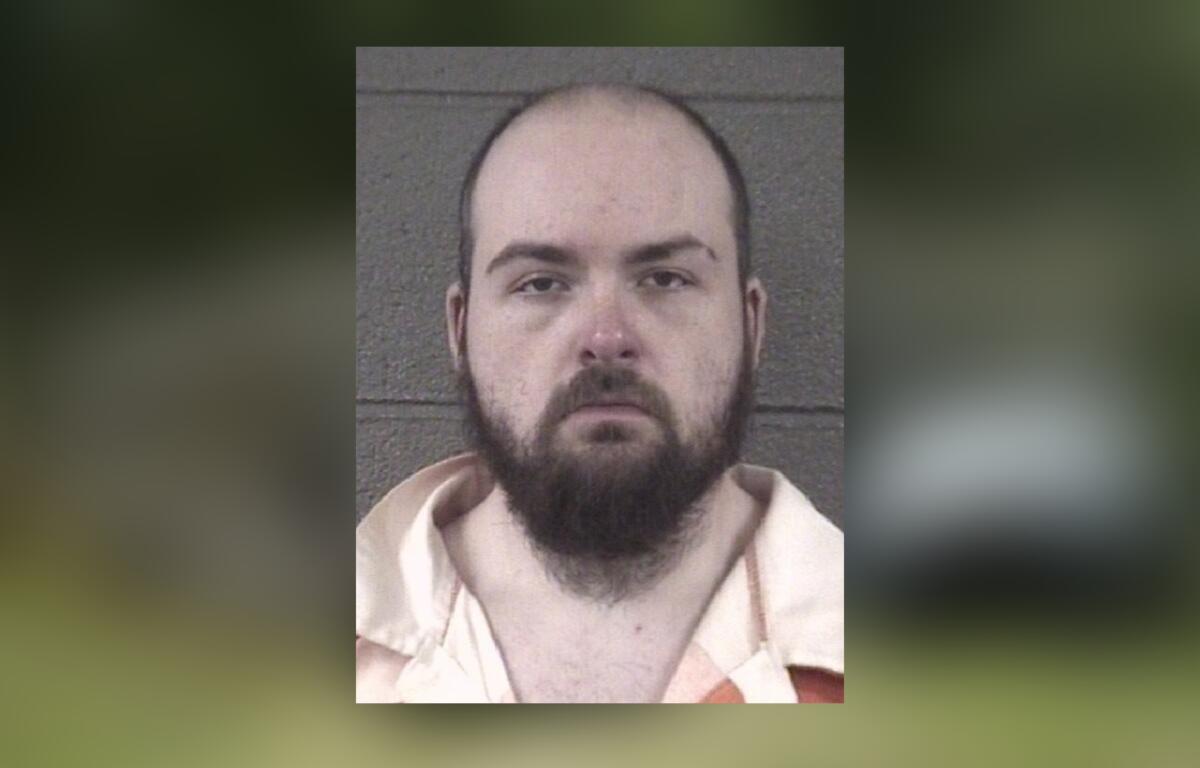
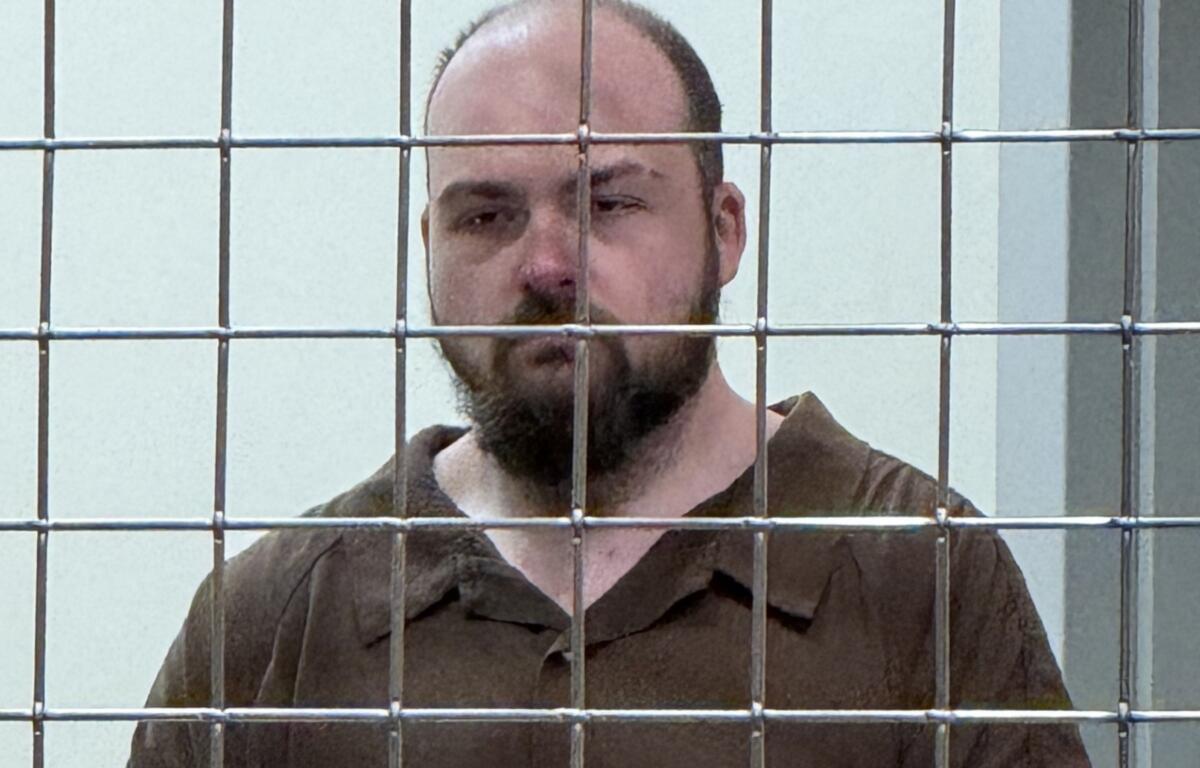
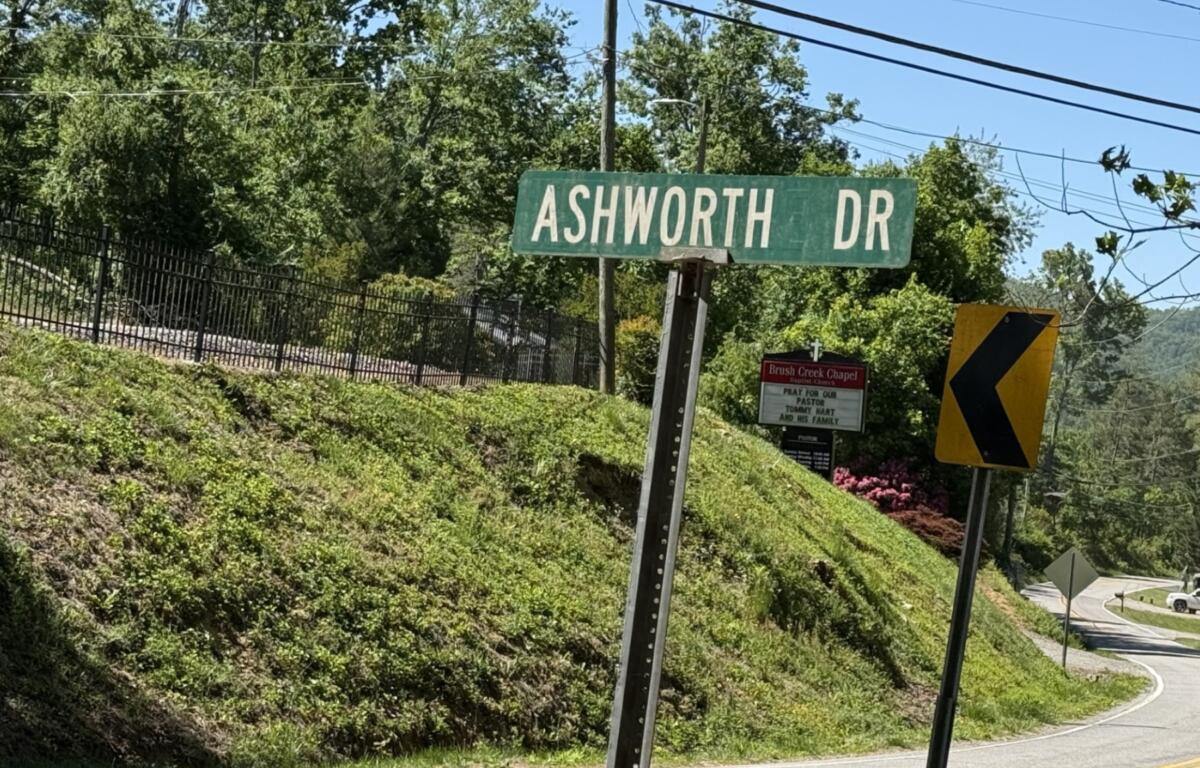
The case centers on Star Melody Grant, 16, and her co-defendant, 28-year-old Devan Oneal Loving, who are charged in the May killings of Grant’s parents, Travis and Kimberly Grant, and her grandmother, Sharon Grant, at the family’s Ashworth Drive home in Fairview.
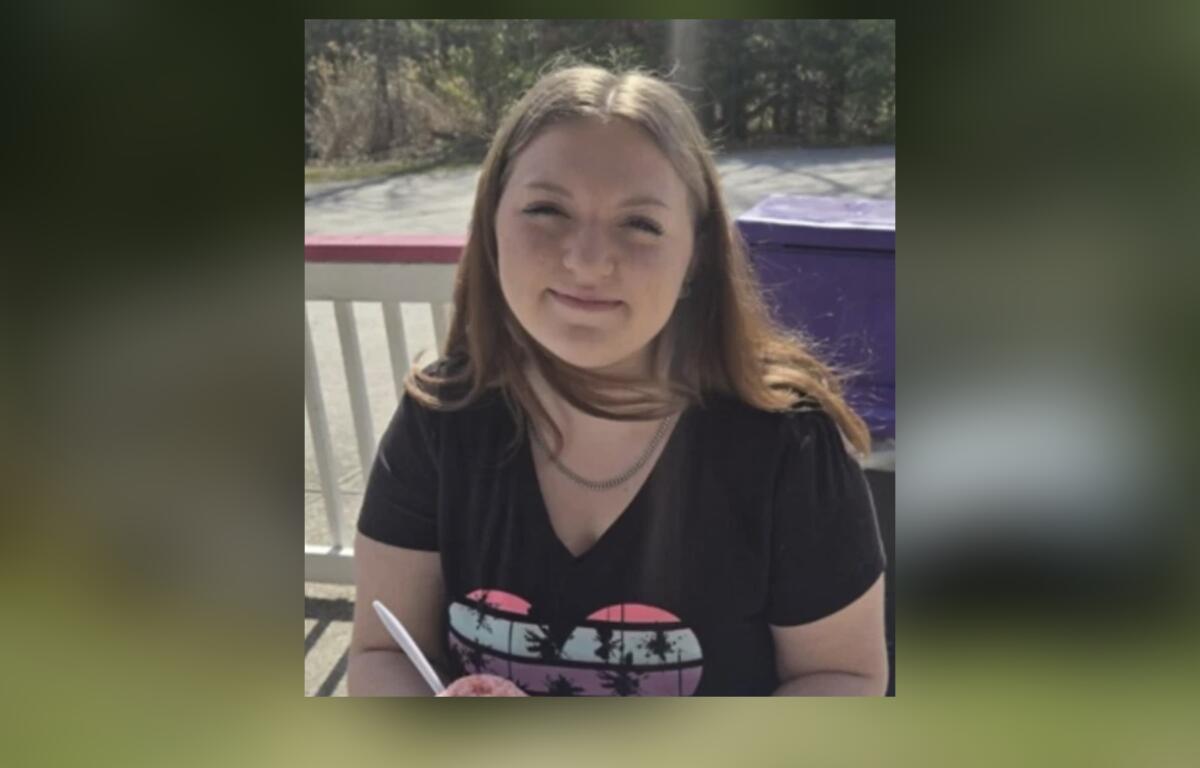
Authorities say the victims were found inside the home on May 7 after multiple welfare checks in the days prior. Investigators later said the teen was missing from the residence when the bodies were discovered. She and Loving were arrested the following day in Gatlinburg, Tennessee, and each was charged with first-degree murder and conspiracy. Loving also faces a charge of child abduction.
Legal framework: ‘No factors’ for prosecution as adult
In an interview with 828newsNOW, Jacquelyn Greene, an associate professor at the University of North Carolina School of Government, said North Carolina law is clear when it comes to 16-year-olds charged with first-degree murder.
“There are no factors to consider,” Greene said, explaining that such cases begin as criminal matters from the outset under state law.
She said the only way a case like this could move into juvenile court would be through a “removal” process, which requires a joint request from the prosecutor and the defense. That decision, she said, is entirely discretionary.
How common is adult prosecution in juvenile murder cases?
Greene said state law requires anyone age 13 or older charged with first-degree murder to be tried as an adult. For teens who are 16 or 17, cases start in adult court but could theoretically be moved to juvenile court if prosecutors agree.
However, she noted she is not aware of reliable public data showing how often that happens.
Cases involving juveniles ages 13 to 15 begin in juvenile court but must be transferred to adult court if there is probable cause or an indictment.
Sentencing limits for juveniles
While juveniles charged as adults face the same trial process, Greene said sentencing is where age becomes most significant.
Under U.S. Supreme Court rulings, juveniles convicted of first-degree murder cannot face the death penalty, and mandatory life without parole sentences are not allowed.
Instead, judges must consider mitigating factors such as age, maturity, mental health, family pressure, and potential for rehabilitation before deciding whether to impose life with or without parole.
If life with parole is imposed, she said, the defendant must serve at least 25 years before becoming eligible.
Balancing age and seriousness of the crime
Greene said those mitigating factors are only considered after conviction.
At that stage, she said, the court may also weigh aggravating factors, including whether the crime was “especially heinous, atrocious or cruel.”
Dual charges: adult defendant, child victim status
The case also includes a charge of child abduction against Loving, raising questions about how a defendant can be charged in an adult homicide case and involved in a crime defined by a victim’s age.
Greene said each charge stands on its own legal elements.
In homicide charges, prosecutors must prove intent, malice and the act of killing. The separate abduction charge requires proof that a minor was unlawfully taken or induced to leave lawful custody.
She said the two issues may overlap factually, but they are legally distinct.
Public misconceptions about juvenile defendants
Greene said one of the most common misunderstandings about juveniles tried in adult court is the assumption that the process is fundamentally different.
“I do find that people are often surprised to hear there are not many differences,” she said, noting that once in criminal court, juveniles are largely treated like adult defendants at trial.
The primary distinction, she said, comes at sentencing — though even there, life sentences without parole remain possible in certain murder convictions involving minors.