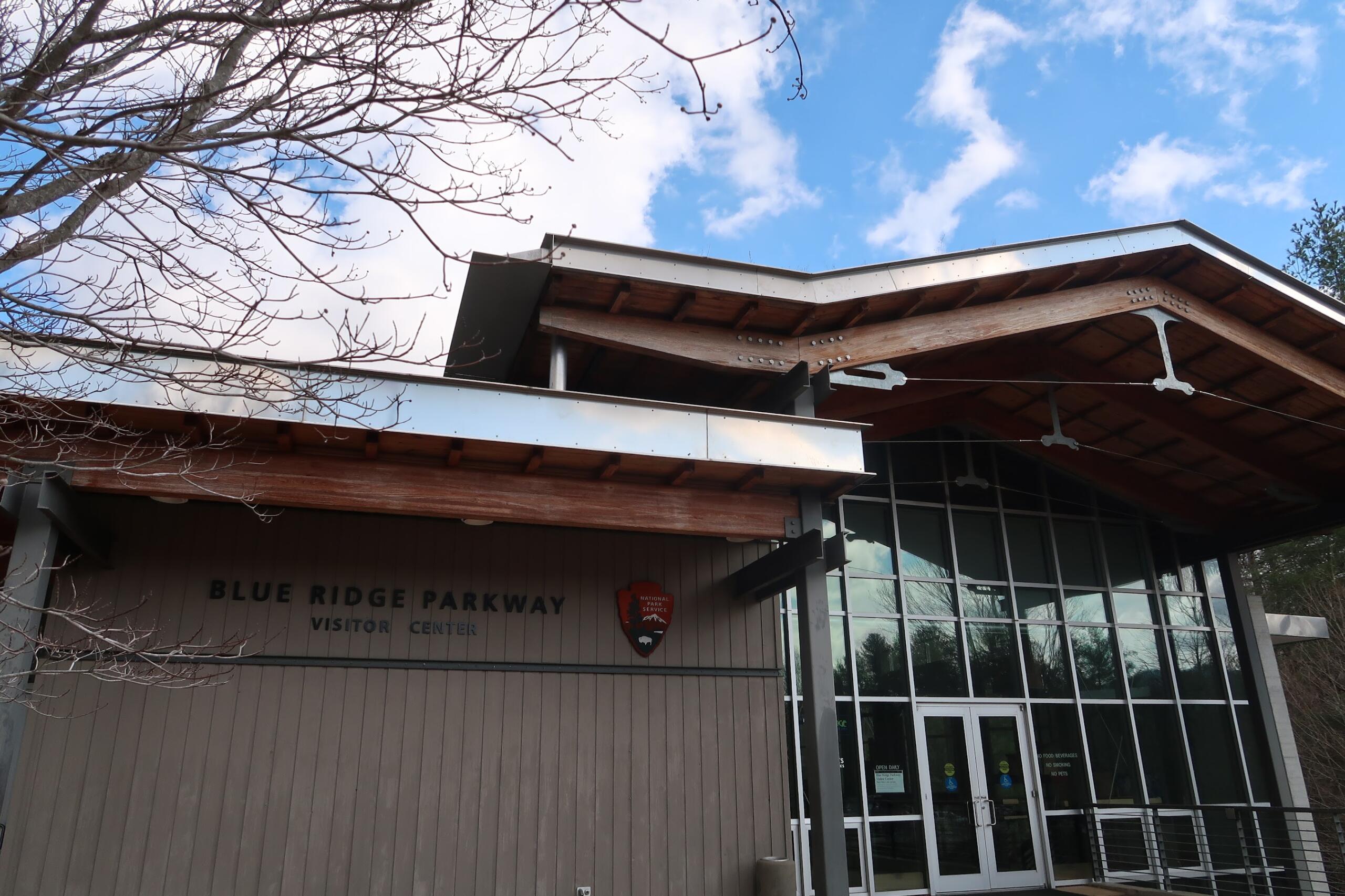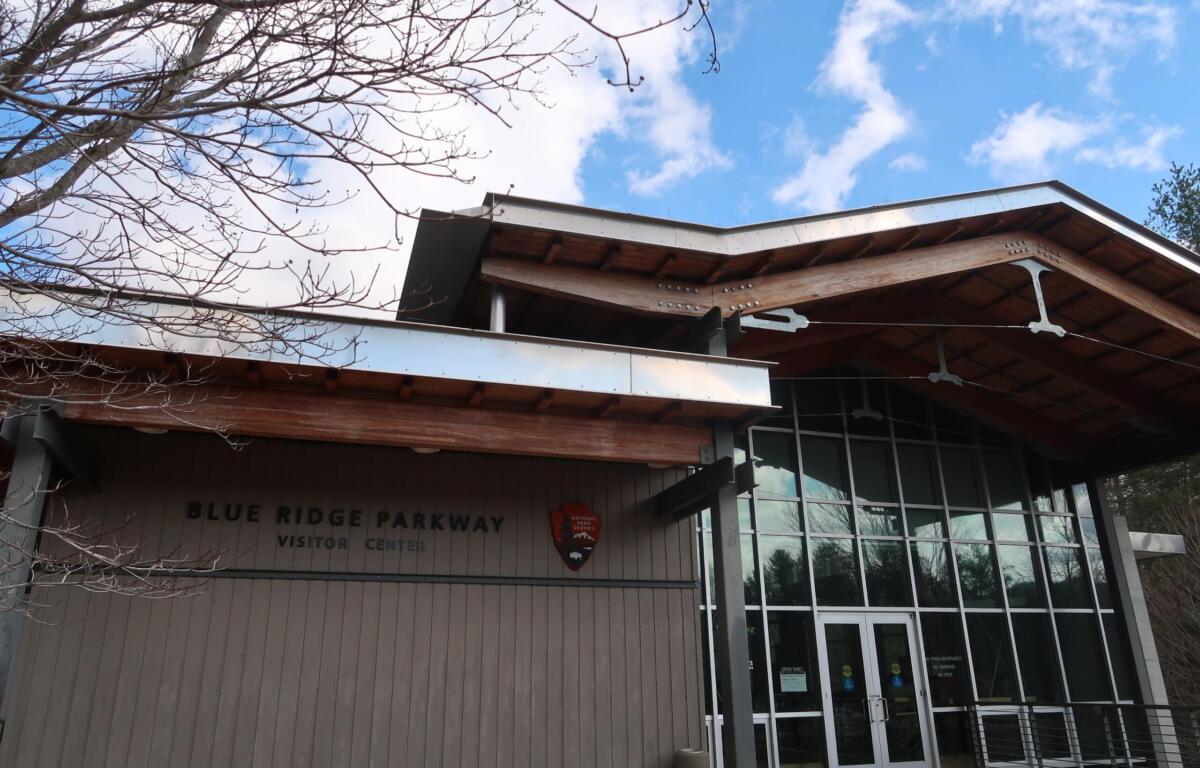

ASHEVILLE, N.C. (828newsNOW) — The Blue Ridge Parkway Visitor Center is one of Asheville’s lesser-known treasures. In addition to an interactive museum, an information desk and a gift shop, the visitor center is home to a 1.2 mile trail loop, complete with a road crossing on the parkway itself.
Fast facts
- The Blue Ridge Parkway Visitor Center is open daily from 9 a.m. to 4:30 p.m. at Blue Ridge Parkway milepost 384
- The loop runs along just over a mile of the Mountains-to-Sea Trail, with signage which points the way toward the nearby Folk Art Center, another stop along the trail
- There is a road crossing toward the end of the loop. Look both ways and be careful
Looping toward springtime
Nothing is more “spring” to me than a drive on the Blue Ridge Parkway. When the leaves are green and the temperature is warm enough to roll the windows down, the mountain road is like Persephone’s personal parkway. While we aren’t quite there yet, calendar-wise, the next best thing is a visit to the Blue Ridge Parkway Visitor Center. The interior of the visitor center is packed with fun facts, interactive exhibits and adoptable (plushie) black bears, all a terrific billboard for the parkway’s spring and summer season.


After exploring the space, head to the far end of the parking lot, where the terminus of the 1.2 mile loop is marked with a brown sign reading “MTS Trail Access.” There is also a station for younger explorers to check in with park animal mascots, “Track” and “Kip.”


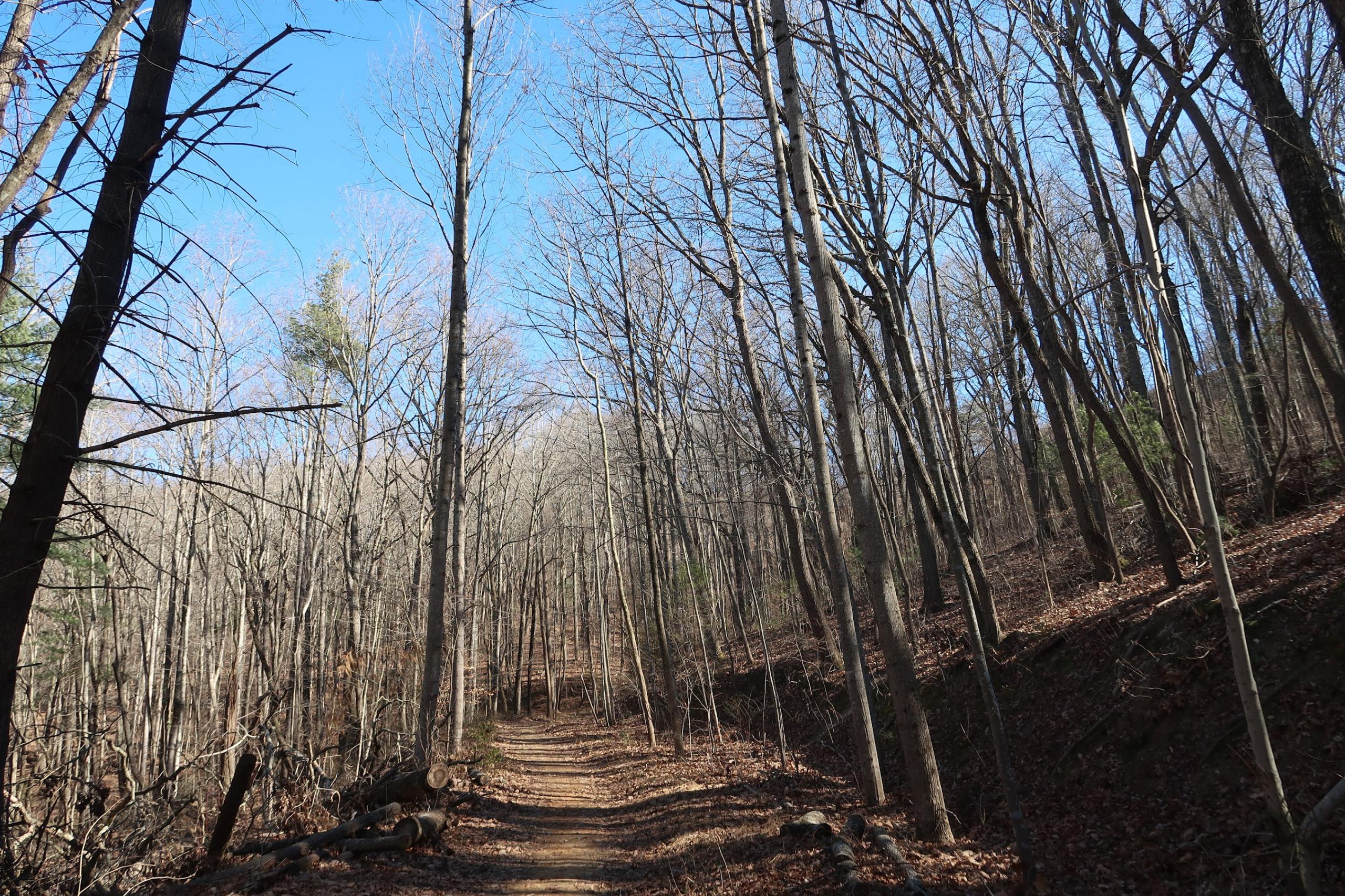
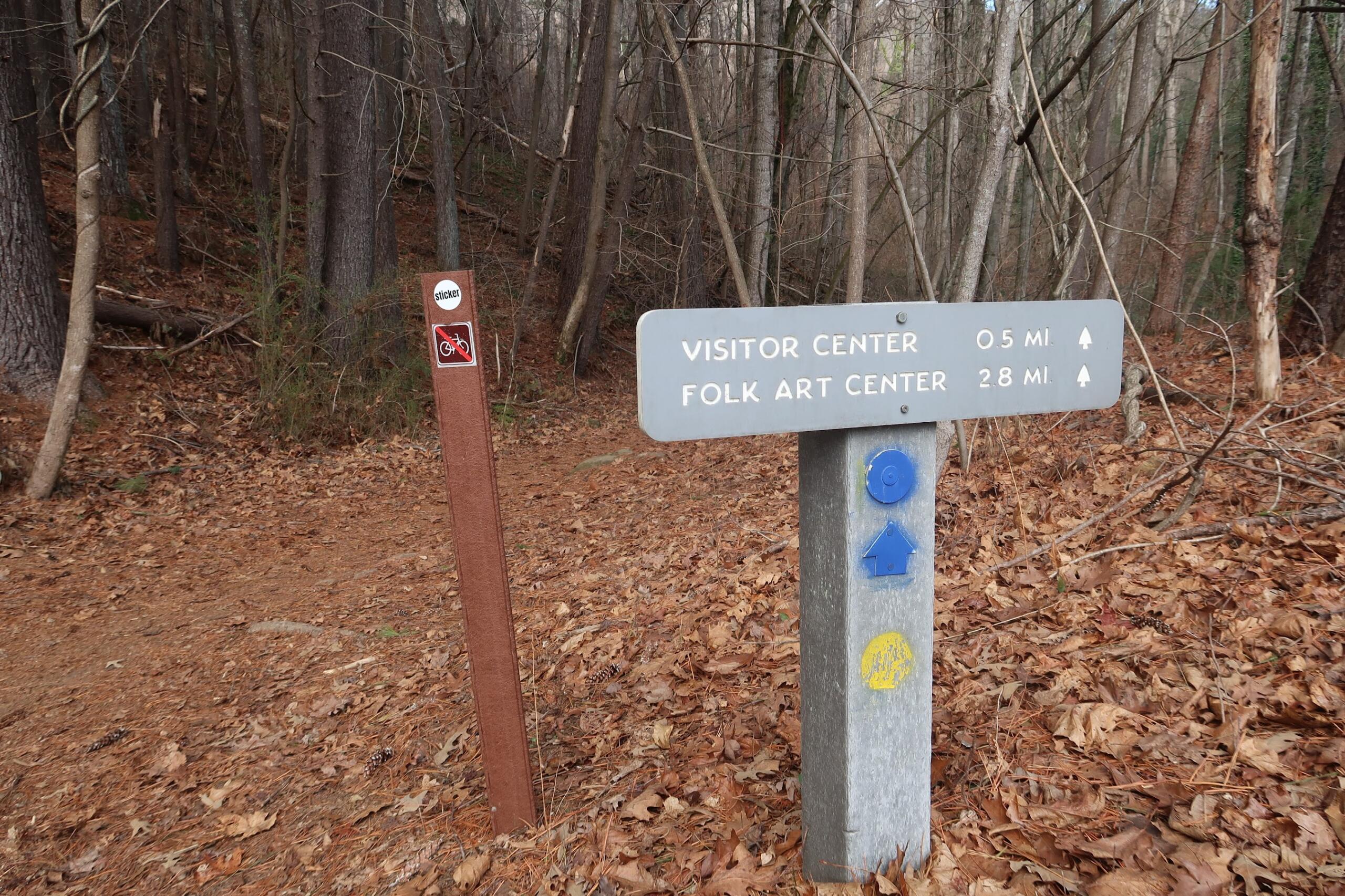
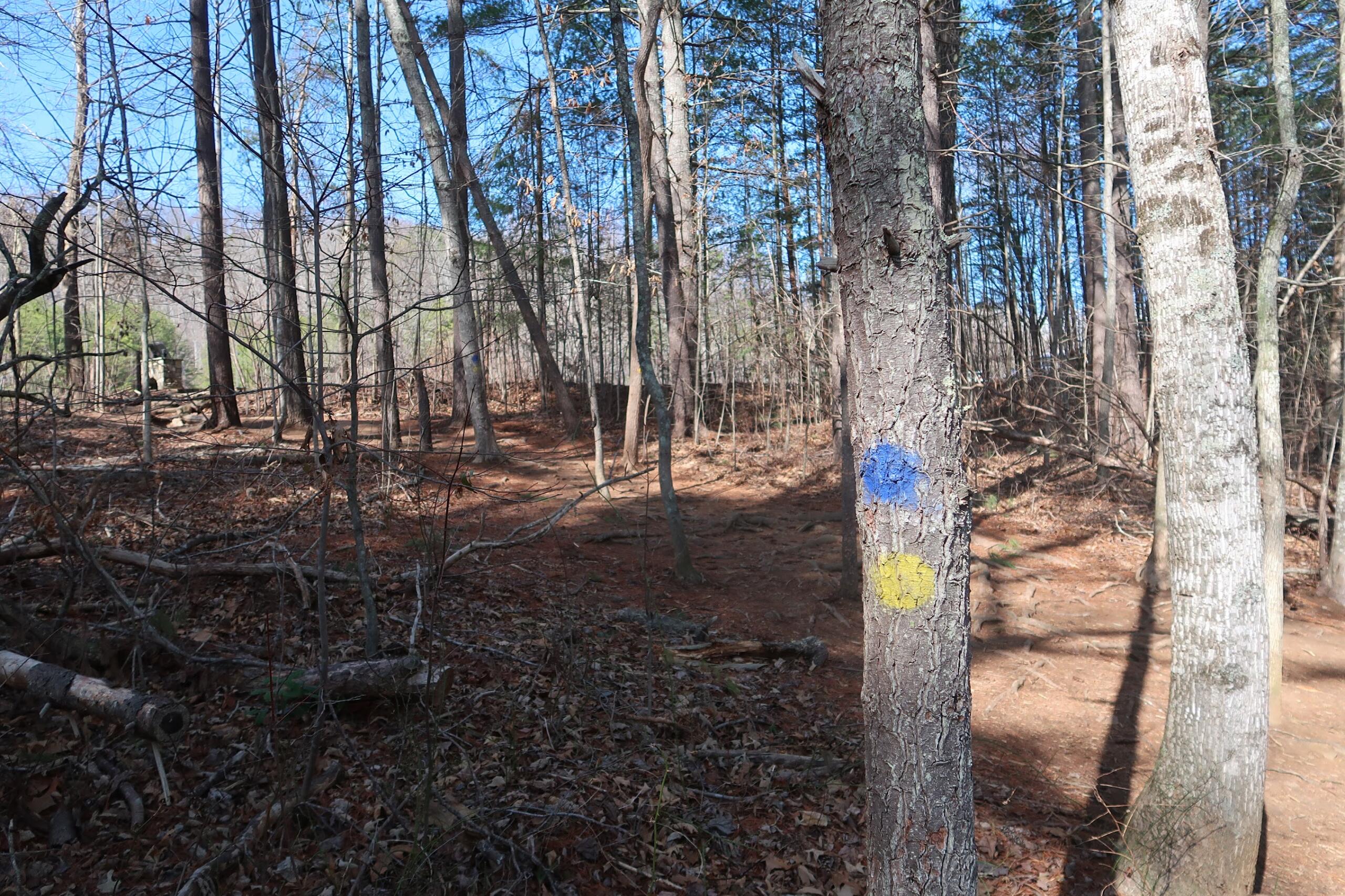
Begin your hike by heading downhill. The beginning of the path is a little washed out, so pick your way down carefully to the sign marked with trail directions. Note the trail blazes: on the first half of the hike, blue and yellow spots are the indicators you are heading in the right direction.


Make your way to the left, passing by two fallen trees in the shape of an X, adorned with a blue blaze at the center. Much of the trail runs immediately alongside the Blue Ridge Parkway itself, which can be a little noisy. Don’t get too distracted by cars, though. At certain junctures, the trail has trenches cut into the path, which could trip you up if you aren’t careful.


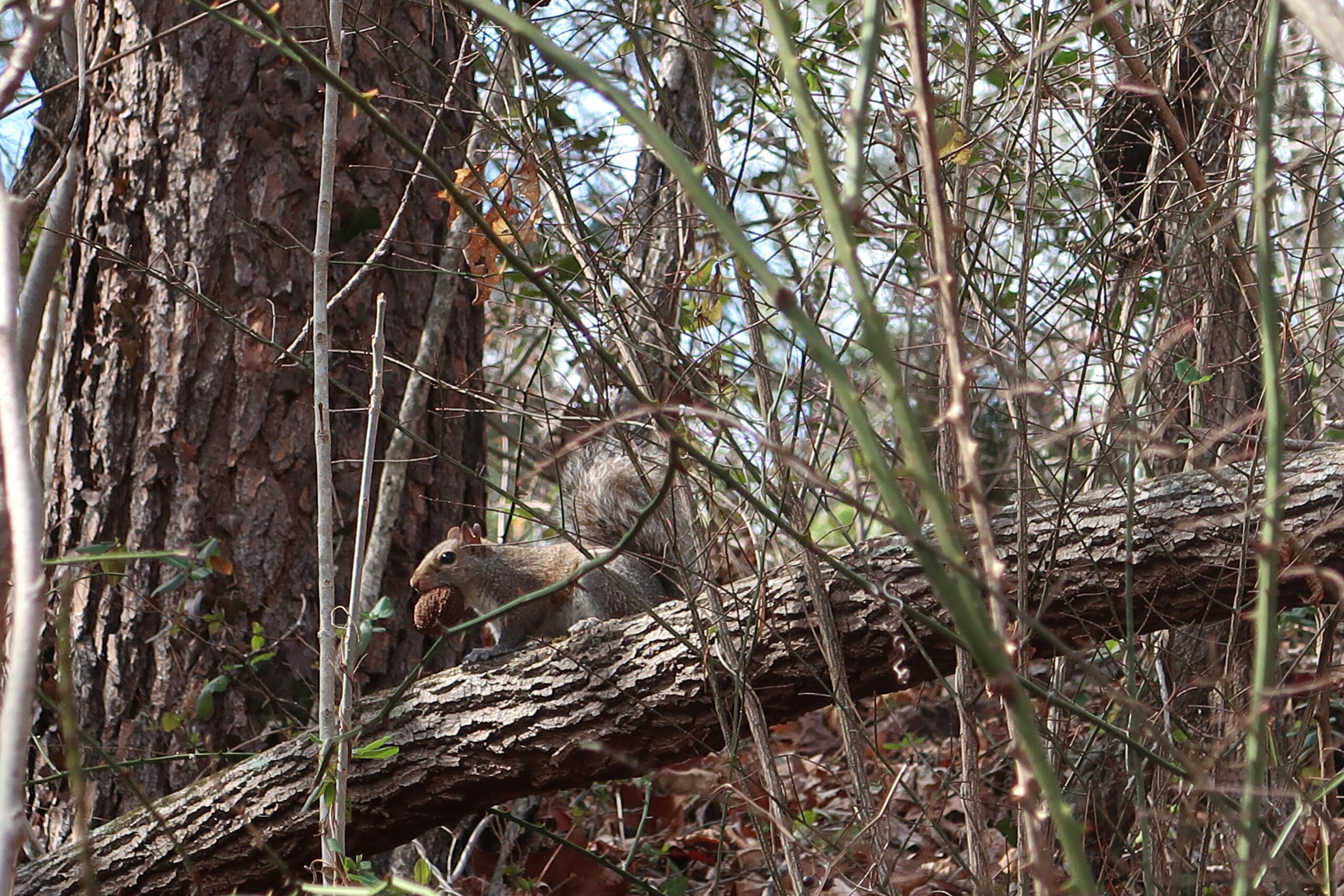
The trail will next curve up back toward the visitor center. Keep to the blazed trail and ignore the offshoots, but be sure to say hey to the squirrels.


Follow the trail downhill toward the first of two road crossings. This one goes through a tunnel beneath the parkway, with cars passing by overhead.


On the other side of the tunnel, you could have convinced me that it was spring after all. The immediate exit was lush with greenery.


The trail then leads to its most confusing juncture, requiring attentive adherence to trail blazes. There is a three-pronged fork in the road with an accompanying sign. To the left, the Mountains-to-Sea Trail continues toward the Folk Art Center. Straight ahead, a fun, roller coaster path ends in a vine-strewn dead end. To the right, the Mountains-to-Sea Trail curves back toward the visitor center. If you get confused, remember to look for the yellow and white blazes, the cardinal colors of the second half of the trail.


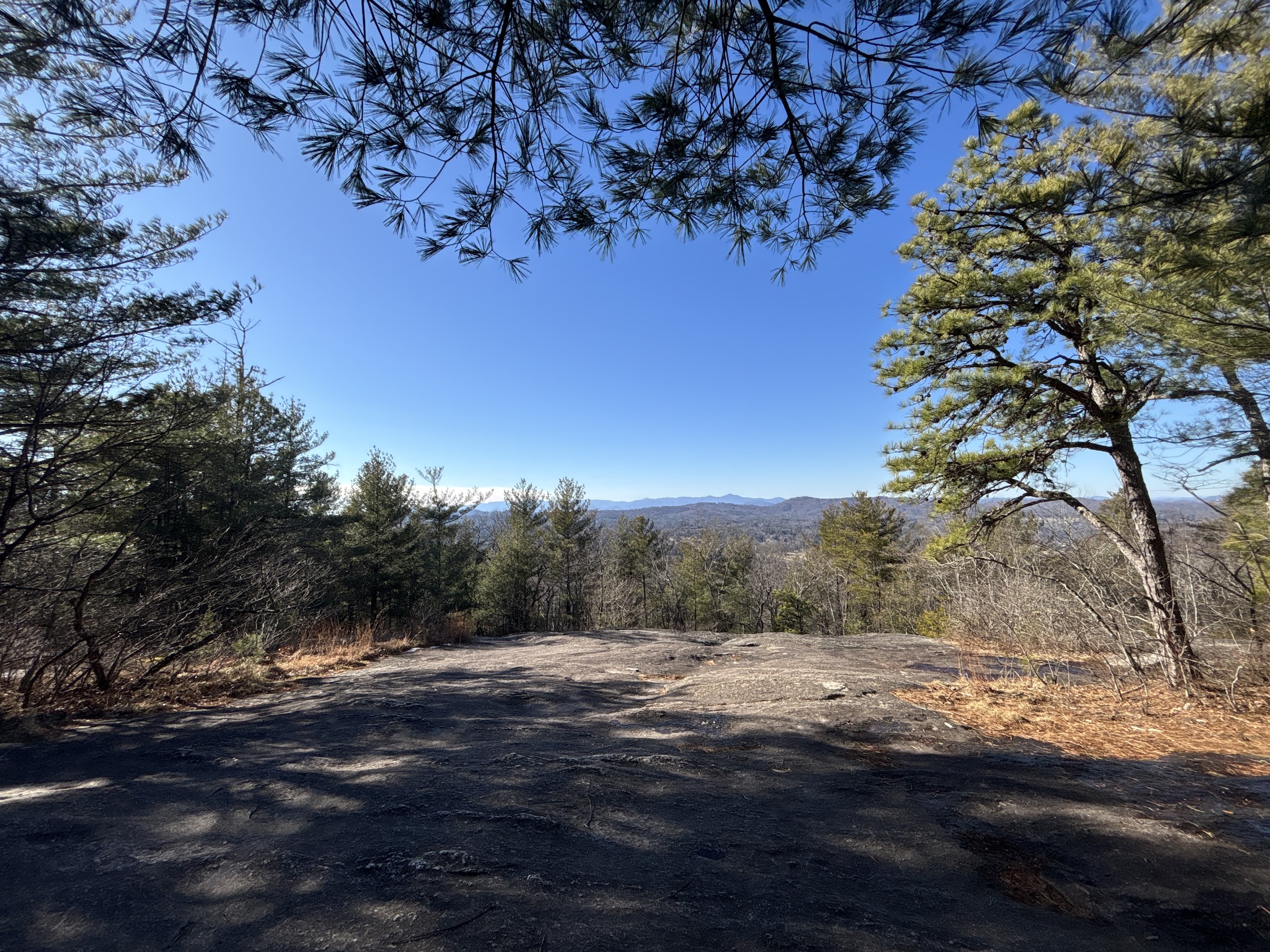
This leg of the trail has some pretty sights. At one point, thinner flora offers a view of the nearby Blue Ridge Mountains. At another point, a thick, green and red ivy covered the sides of the path. The path led up wooden steps, then curved sharply down wooden steps.


Of course, say hello to the squirrels on this side of the parkway, too.
Next up, the second road crossing. This one is a little more involved than its tunnel brother, considering it requires an actual dash across active Blue Ridge Parkway lanes. Look both ways and exercise haste and caution when crossing to the other side.


Safely on the other side, signage will announce that you only have .5 miles to go until you return to the visitor center. The hike is more than halfway over.
This half of the hike is less eventful, with few detour trails or distractions. It does, however, make for more of a climb, with a few more wooden staircases to ascend. As you hike, try to spot the following landmarks: manhole cover, diminutive blue blaze and stone bridge.


The end of the trail will be marked by the blue and yellow blazes you know and love. If you skipped out on exploring the visitor center before the hike, I certainly recommend doing so after. Find more information about the center at www.nps.gov/blri/planyourvisit/blue-ridge-parkway-visitor-center.
-
Hikes of WNC: Blue Ridge Parkway Visitor Center Loop

The Blue Ridge Parkway Visitor Center is one of Asheville’s lesser-known treasures. In addition to an interactive museum, an information desk and a gift shop, the visitor center is home to a 1.2 mile trail loop, complete with a road crossing on the parkway itself.
-
Hikes of WNC: Beaver Lake Perimeter Loop

One of the most popular outdoor recreation spots in town is Beaver Lake. The North Asheville lake features a 2 mile trail around its perimeter, a popular, simple and scenic walk for all ages.
-
Hikes of WNC: Glassy Mountain at the Carl Sandburg Home
Glassy Mountain is the resident peak of the Carl Sandburg Home National Historic Site, the preserved farm and house of the famed poet located in Flat Rock, N.C. A beautiful network of trails eventually leads to a steep, but worthwhile, climb to Glassy Mountain Overlook.
-
Hikes of WNC: Beaucatcher Mountain Trail
Beaucatcher Mountain Trail is a popular hiking spot just outside of downtown Asheville. The network of branching trails is located behind Memorial Stadium and McCormick Field, making the hike a perfect outing for tourists and Tourists alike.
-
Hikes of WNC: Triple Falls Trail
Located in the hiking bounty of DuPont State Recreational Forest and captured on the silver screen in movies like “The Hunger Games,” Triple Falls Trail leads to a beautiful waterfall view, three times over.